




Tangy, salty, and steeped in centuries of tradition, Japanese salted plums, known as umeboshi, are a snack, a condiment, and a cultural symbol all in one. But travel a little further across the culinary map, and you’ll discover Chinese Li Hing Mui: dried, salted plums with their own vibrant history and a bold, sweet-salty punch. Though they share a humble fruit at their core, these two treats differ in flavor profile, preparation methods, and the cultural moments they’re tied to. In this guide, we’ll explore what sets them apart and why each deserves a place in your pantry.
I. Japanese Salted Plums (Umeboshi & Hoshiume)
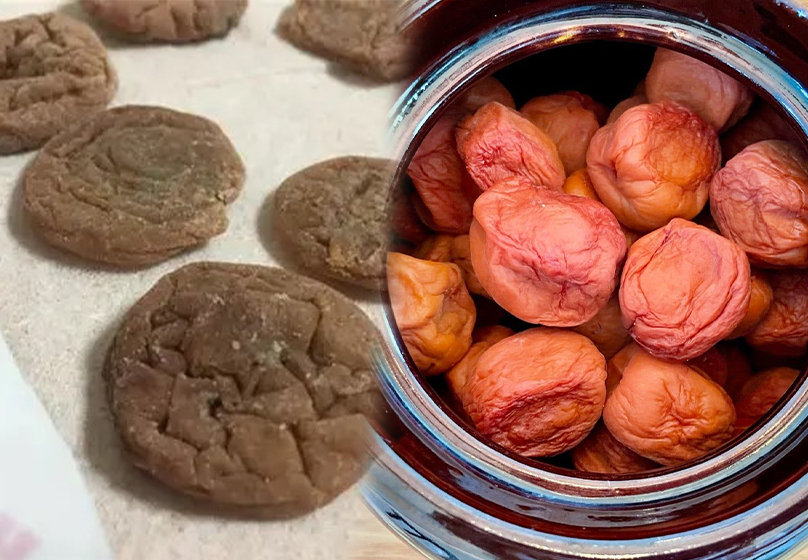
Japanese salted plums, or umeboshi, are a beloved staple of traditional Japanese cuisine. Made from pickled ume fruits (a type of Japanese apricot), these small but mighty flavor bombs deliver a bracing combination of salty and intensely sour notes. The process begins in early summer when ripe ume are harvested, layered with salt, and left to ferment naturally. Once the initial pickling is complete, they’re often dried in the summer sun, a stage known as hoshi, which produces hoshi-ume, or dried plums.
Flavor & Texture
- Umeboshi: Soft, juicy, and tangy with a puckering saltiness.
- Hoshiume: Firmer, chewier, and more concentrated in flavor, perfect for snacking or chopping into rice dishes.
Cultural Significance
Umeboshi have been valued in Japan for centuries, not only as a way to preserve fruit before refrigeration but also for their supposed health benefits. They often appear nestled inside onigiri (rice balls), where their vivid red hue contrasts beautifully with white rice. In bento boxes, they’re affectionately called the sun in the center, evoking both their color and their role in brightening a meal.
How They’re Enjoyed
- Stuffed into rice balls
- Served alongside plain rice as a palate cleanser
- Chopped into dressings or sauces for a citrusy kick
- Eaten on their own as an energizing snack
II. Chinese Li Hing Mui (Huamei)
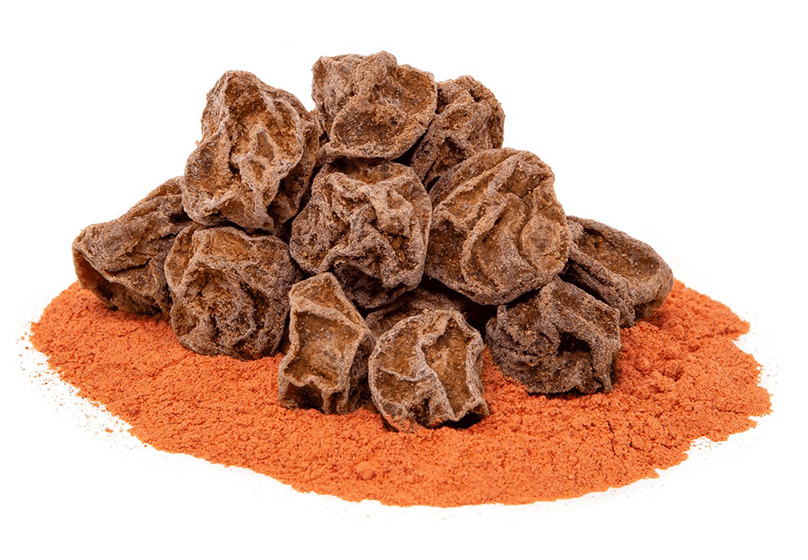
Li Hing Mui, also called huamei (话梅) in Mandarin, is a Chinese preserved plum prized for its sweet‑tart, salty complexity. The name literally means “plum with a patterned surface,” a nod to the wrinkled, dried appearance the fruit takes on after preservation. Unlike Japanese salted plums, which lean purely toward briny sourness, Li Hing Mui are typically dusted or soaked with licorice powder, sugar, salt, and sometimes red coloring, giving them a distinctive flavor that dances between candy and condiment.
Flavor & Texture
- Classic Li Hing Mui: Chewy, with a layered taste, initial sweetness, followed by a mellow saltiness and a hint of bitterness from licorice.
- Powdered Li Hing Mui: Ground into a fine, tangy‑salty powder, often sprinkled over fresh pineapple, mango, or shaved ice for a zesty twist.
Cultural Significance
Originating in China, Li Hing Mui traveled widely with Cantonese immigrants, especially to Hawai‘i, where the flavor became iconic. In Hawai‘i, “Li Hing” isn’t just a snack; it’s a cultural touchstone found in local candies, cocktails, shave ice, and even popcorn. In traditional Chinese households, huamei are also enjoyed as digestive aids after heavy meals or offered as a treat during festivals.
How They’re Enjoyed
- Eaten straight from the packet as a nostalgic, tangy snack
- Sprinkled in powdered form over fruit or desserts
- Infused into beverages for a unique sweet-salty kick
- Added to marinades or sauces for depth of flavor
III. Key Differences between Japanese Salted Plums and Chinese Li Hing Mui
While both are preserved plums with loyal fan followings, their taste profiles, textures, and cultural stories are distinct; here’s how they compare.
|
|
|
|
|---|---|---|
|
|
|
|
|
|
|
|
|
|
|
|
|
|
|
|
|
|
|
|
|
|
|
|
III. Recommendations
If you want to try preserved plums for the first time, think about the taste you like, how you want to use them, and how strong you want the flavor to be.
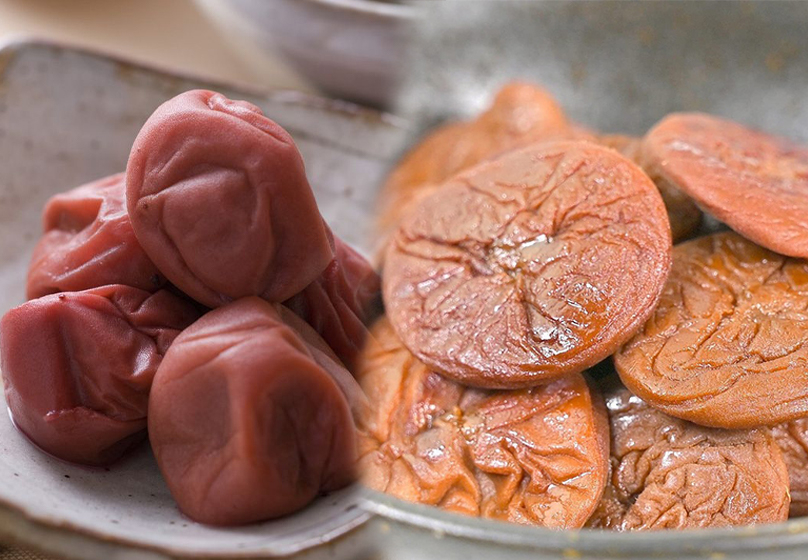
1. Japanese Salted Plums (Umeboshi / Hoshiume)
These have a very strong salty‑sour taste. They are good with plain rice, inside onigiri, or mixed into a light salad dressing. You can mash them and use them as a marinade for fish or chicken. The flavor is intense, so start with a little.
2. Chinese Li Hing Mui
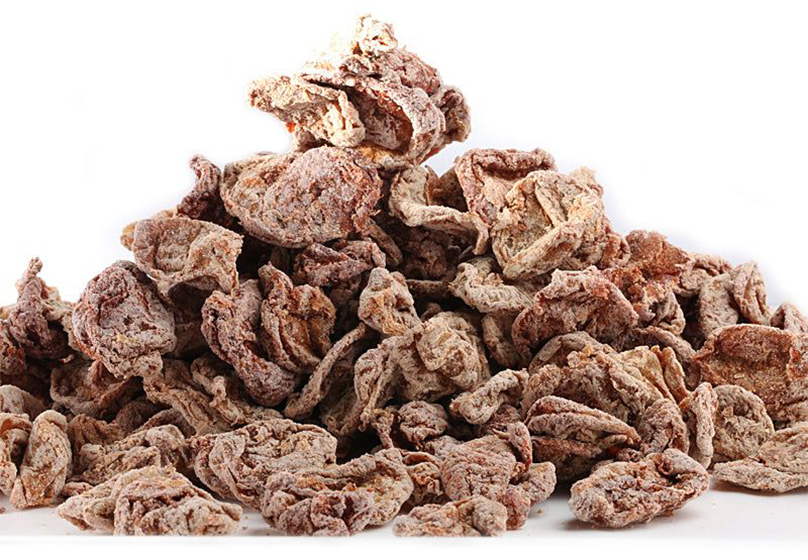
These are sweet, salty, and a bit tangy, with a mild licorice note. The whole plums are chewy and can be eaten as a snack. The powder can be sprinkled on fresh pineapple, guava, or mango, or mixed into soda, juice, or cocktails. It is also nice in sorbets or other frozen desserts.
3. Using Both Together
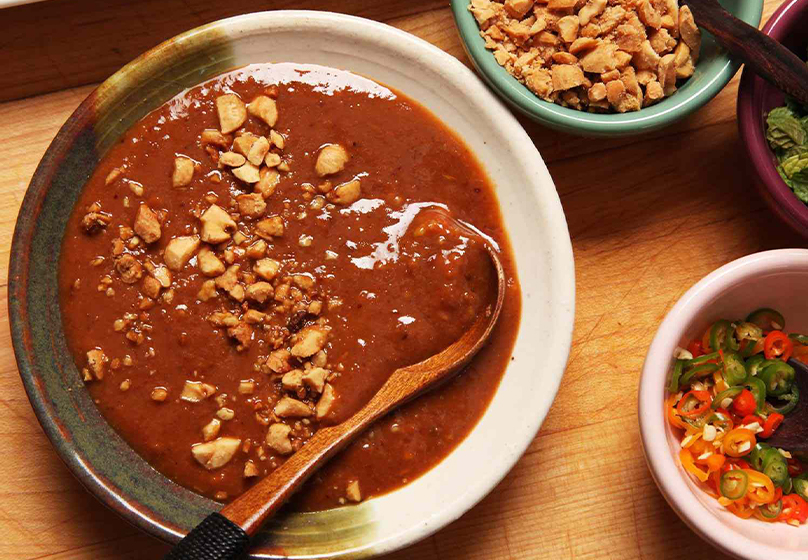
You can combine umeboshi and Li Hing Mui in one dish. For example, make a dipping sauce with mashed umeboshi and finish it with a pinch of Li Hing Mui powder, or mix both into a glaze for grilled meat. Use the soft umeboshi for sauces and the Li Hing powder for topping.
IV. Conclusion
Japanese salted plums and Chinese Li Hing Mui may both start with the same humble fruit, but centuries of distinct culinary traditions have shaped them into two very different experiences. Umeboshi delivers a sharp, briny tang that can transform a simple bowl of rice into something remarkable, while Li Hing Mui offers a playful mix of sweet, salty, and herbal notes that shine on their own or as a seasoning. Each carries deep cultural meaning, telling the story of its homeland through flavor, texture, and the way it’s enjoyed.
Whether you choose the concentrated sour punch of Japanese salted plums, the layered sweetness of Chinese Li Hing Mui, or decide to experiment with both in the same dish, you are tasting more than just preserved fruit; you are tasting history, heritage, and creativity. Bringing them into your kitchen is an invitation to explore two rich culinary traditions and perhaps create your own fusion along the way.