




If there’s one spice that truly earns a spot in every kitchen, it’s dried ginger. Made by drying fresh ginger root, it delivers a bold, spicy warmth with a hint of sweetness that instantly elevates any dish. Stronger and more aromatic than its fresh counterpart, just a small amount can add remarkable depth to both sweet and savory recipes. Plus, it’s easy to store and keeps its flavor for months, perfect for everyday cooking.
In this article, we’ll explore what dried ginger is and why it has become such a staple in kitchens around the world. You’ll discover how it differs from fresh ginger, the many ways it can be used in cooking and baking, and the health benefits that make it more than just a spice, but a powerful, everyday essential.
I. What Is Dried Ginger?
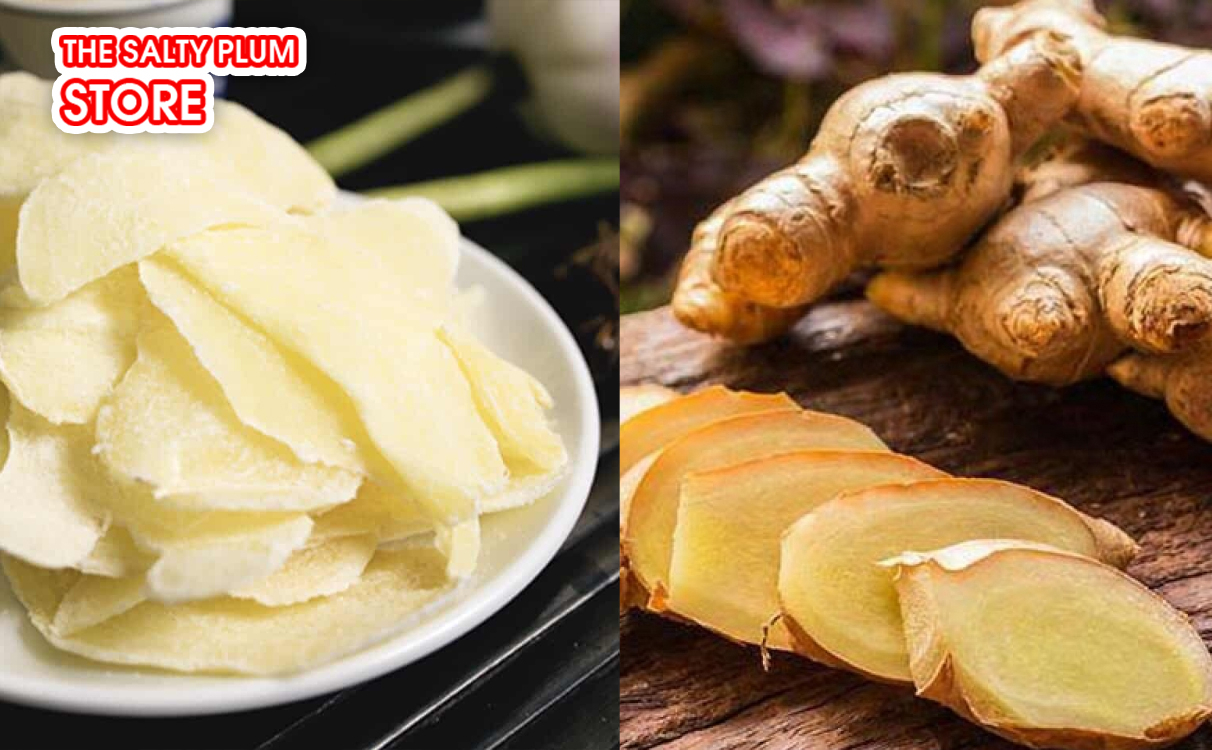
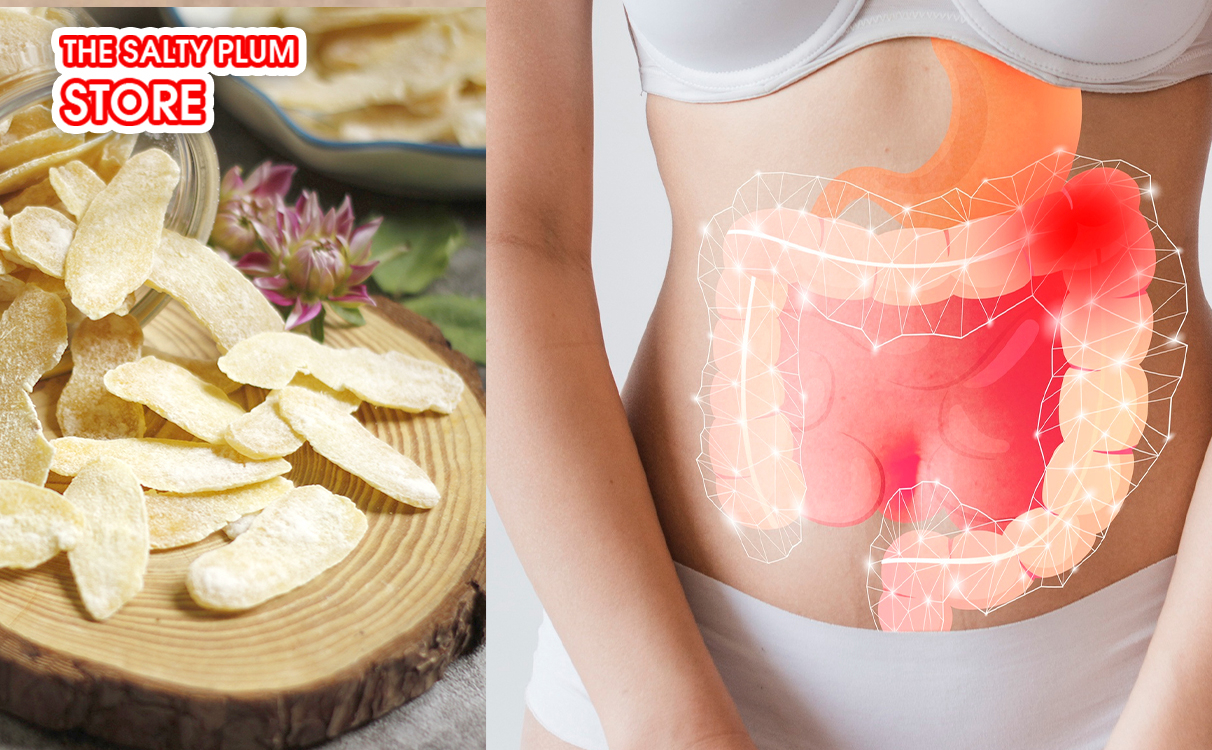
Dried ginger is fresh ginger root that has been dehydrated to remove moisture, creating a stronger, more concentrated flavor. It’s available in several forms, whole roots, thin slices, or fine powder all known for their warm, spicy aroma and long shelf life.
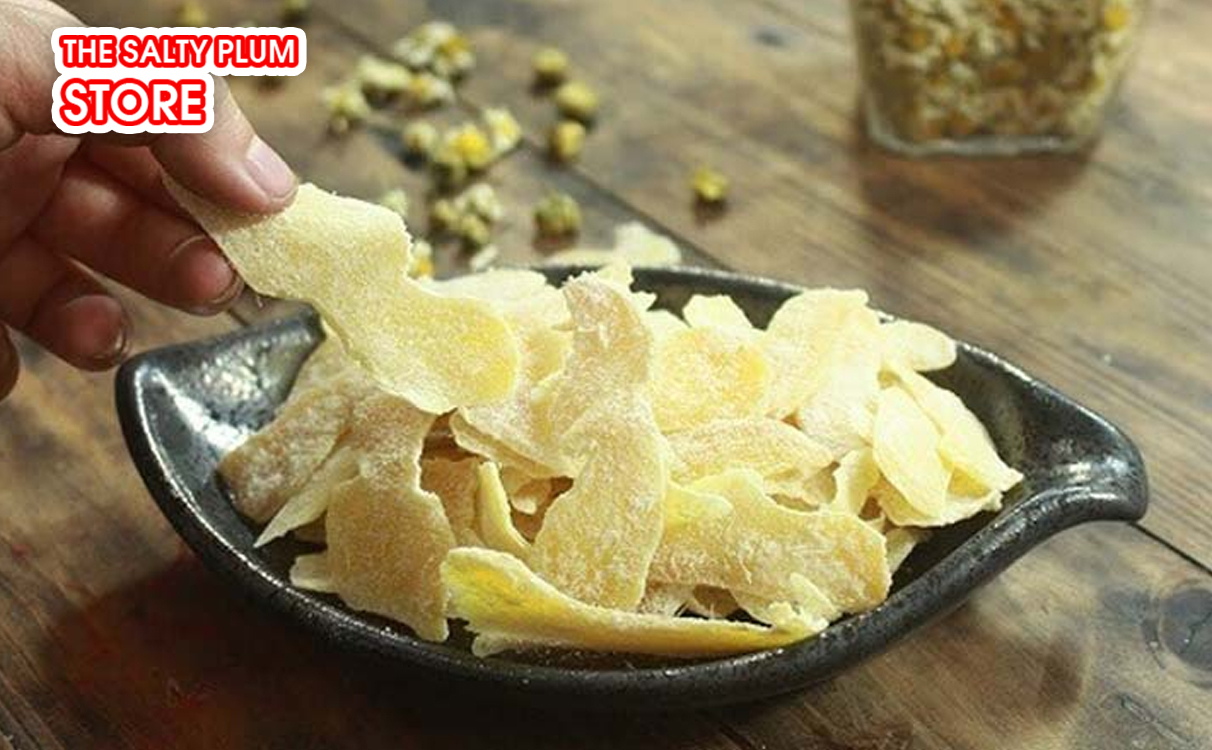
Nutritionally, it contains mostly carbohydrates, fiber, and minerals such as magnesium, potassium, and iron — but it’s valued more for its intense flavor and versatility in cooking than for its nutrient content.
II. How Dried Ginger Differs from Fresh Ginger
Although both come from the same root, dried and fresh ginger bring noticeably different qualities to cooking.
- Flavor: Dried ginger has a stronger, spicier, and warmer taste compared to the fresh kind. Its aroma is more concentrated and earthy, lacking the bright, citrusy freshness that fresh ginger offers. Because of this, it delivers deeper heat and complexity, especially in baked goods and spice blends.
- Texture: Fresh ginger is juicy, fibrous, and slightly stringy, while dried ginger is hard, brittle, and often ground into a fine powder. This makes dried ginger easier to mix into batters, doughs, or spice rubs where even flavor distribution is needed.
- Usage: Fresh ginger is a staple in many Asian dishes — ideal for marinades, stir-fries, and sauces where its fresh, zesty flavor can shine. Dried ginger, on the other hand, works best in baking, teas, soups, stews, and dry spice mixes, where its deep warmth enhances sweetness and body.
- Substitution Tip: You can substitute between the two, but the intensity differs. Generally, 1 teaspoon of dried ginger equals about 1 tablespoon of fresh ginger, and you can adjust to taste depending on the dish.
👉 Discover premium dried ginger from The Salty Plums Store
III. Common Culinary Uses of Dried Ginger
Dried ginger is prized for its bold, aromatic flavor and remarkable versatility. From hot beverages to baked treats and savory dishes, it brings a comforting warmth that enhances a wide variety of recipes. Because it’s shelf-stable and easy to measure, many cooks keep it as a must-have spice for both everyday meals and festive dishes.
1. In Beverages
A pinch of dried ginger adds instant heat and aroma to ginger tea, honey-lemon tea, smoothies, and herbal infusions. It’s especially popular in winter or cold weather, as its warming nature helps soothe the throat and improve circulation. Dried ginger can also be simmered with cinnamon and honey to make a natural home remedy drink that’s both comforting and energizing.
2. In Baked Goods
In baking, dried ginger is essential for achieving that signature spicy-sweet flavor in gingerbread cookies, cakes, muffins, and spiced desserts. It pairs beautifully with cinnamon, nutmeg, and cloves, creating the rich, cozy aroma often associated with holiday treats. Because of its concentrated flavor, it disperses evenly in batters and doughs, giving baked goods a balanced heat and depth.
3. In Savory Dishes
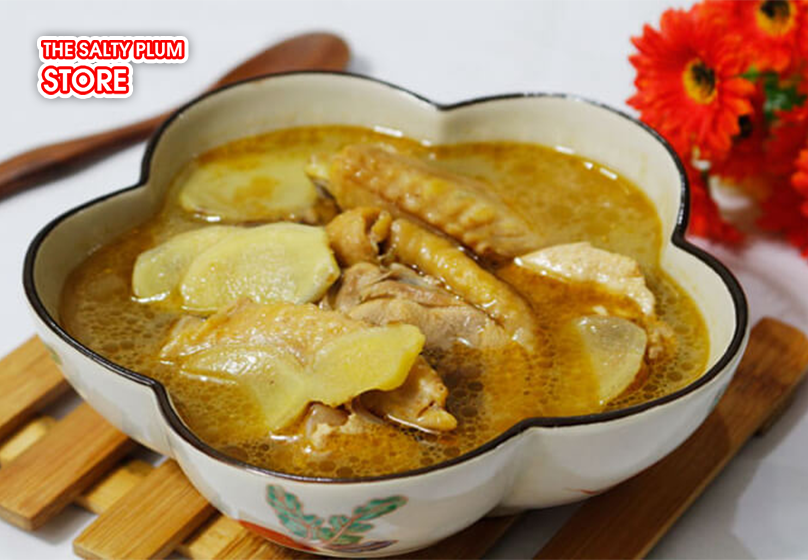
Dried ginger plays an important role in curries, soups, stews, stir-fries, and marinades. It adds gentle heat and a slightly earthy note that complements meats, vegetables, and sauces. In Asian and Middle Eastern cuisines, it’s often combined with garlic, turmeric, and chili to create flavorful bases for hearty dishes.
4. In Spice Blends
As a cornerstone spice, dried ginger is commonly found in garam masala, curry powder, chai masala, and homemade dry rubs. Its warm, peppery character enhances both sweet and savory blends, giving them a rounded, complex finish.
5. In Snacks and Sweets
Beyond cooking, dried ginger also appears in candied ginger, slices of ginger dried and coated with sugar — enjoyed as a snack or dessert topping. It’s delicious on its own or sprinkled over granola, yogurt, or baked goods for an extra zing.
IV. Tips for Cooking with Dried Ginger
Cooking with dried ginger is all about balance — a little can go a long way. Because it’s more concentrated than fresh ginger, understanding how to use it properly will help you bring out its best flavor without overpowering your dish.
1. Use the Right Amount
Start with small quantities. Since dried ginger has a stronger, spicier profile, using too much can easily dominate other flavors. As a general rule, 1 teaspoon of dried ginger equals about 1 tablespoon of fresh ginger. You can always add more later, but it’s best to begin with less and adjust to taste.
2. Cooking Tips
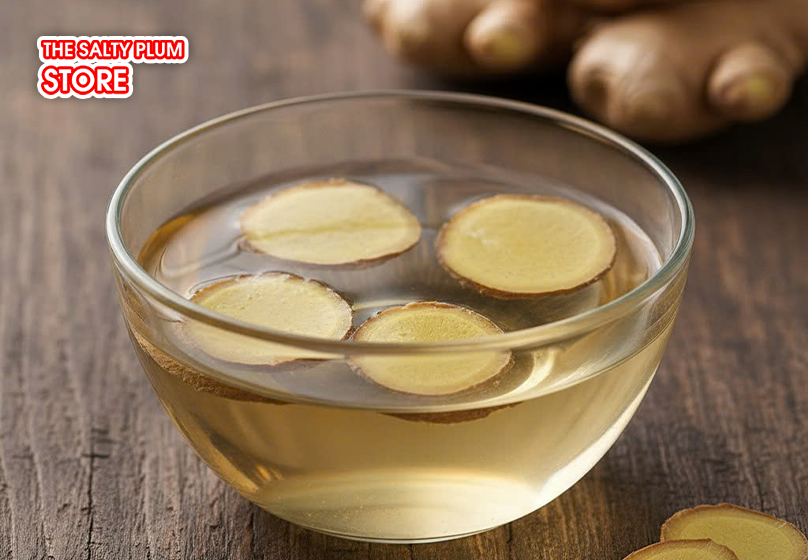
If you prefer a milder taste, soak dried ginger slices in warm water for a few minutes before adding them to your dish. This softens the flavor and texture. For maximum aroma, grind or crush dried ginger right before cooking, especially when using whole or sliced forms.
3. Storage Tips
To preserve its aroma and potency, store dried ginger in an airtight glass jar, kept in a cool, dry place, away from direct sunlight and heat sources. Always label the purchase or drying date to track freshness, ideally, use within 6–12 months for best flavor.
4. Flavor Pairings
Dried ginger pairs beautifully with warm spices such as cinnamon, nutmeg, and cloves, creating a comforting and aromatic blend ideal for baked goods or winter drinks. For savory dishes, combine it with garlic powder, chili, or black pepper to enhance marinades, soups, and stir-fries with an extra layer of heat and depth.
V. Health Benefits of Dried Ginger
Beyond being a kitchen spice, dried ginger has been used in traditional medicine for its many health benefits. Rich in antioxidants and compounds like gingerol and shogaol, it helps support digestion, immunity, and overall wellness.
- Aids Digestion: Helps relieve bloating, nausea, and indigestion by stimulating digestive enzymes. A cup of ginger tea after meals can ease discomfort and improve gut health.
- Boosts Immunity: With natural anti-inflammatory and antimicrobial properties, dried ginger helps the body fight colds, flu, and infections—especially effective in warm teas or soups.
- Soothes Sore Throat and Cough: Honey-ginger tea is a traditional remedy that helps reduce throat irritation, clear congestion, and calm coughs.
- Reduces Inflammation and Pain: Its active compounds may help ease joint pain, arthritis, and muscle soreness when used regularly.
- Rich in Antioxidants: Dried ginger protects cells from damage and supports healthy aging.
VI. Conclusion
In short, dried ginger isn’t just a kitchen spice, it’s a versatile ingredient that bridges flavor and health. With its warm, spicy aroma, bold taste, and long shelf life, it adds character to everything from teas and baked goods to savory dishes. Convenient to store and easy to use, it truly deserves a permanent spot in every kitchen.
So next time you find yourself wondering, “What is dried ginger?” try sprinkling a little into your tea, soup, or favorite dessert. You’ll not only enjoy its distinctive warmth but also discover why this humble spice has been cherished in kitchens around the world for centuries.