




Tamarind, known as the “sweet and sour fruit,” is a tropical favorite across Asia, India, and Mexico. Its sticky brown pulp inside curved pods delivers a tangy-sweet flavor that instantly excites the taste buds. From savory curries and sauces to candies and drinks, tamarind is a true global staple.
When dried, tamarind becomes more concentrated and chewy, offering a bold balance of tartness and natural sweetness with a rich, lingering taste. Wondering what dried tamarind tastes like? This article will explore its unique flavor, what shapes it, and how you can enjoy it in everyday dishes.
I. What Is Dried Tamarind?
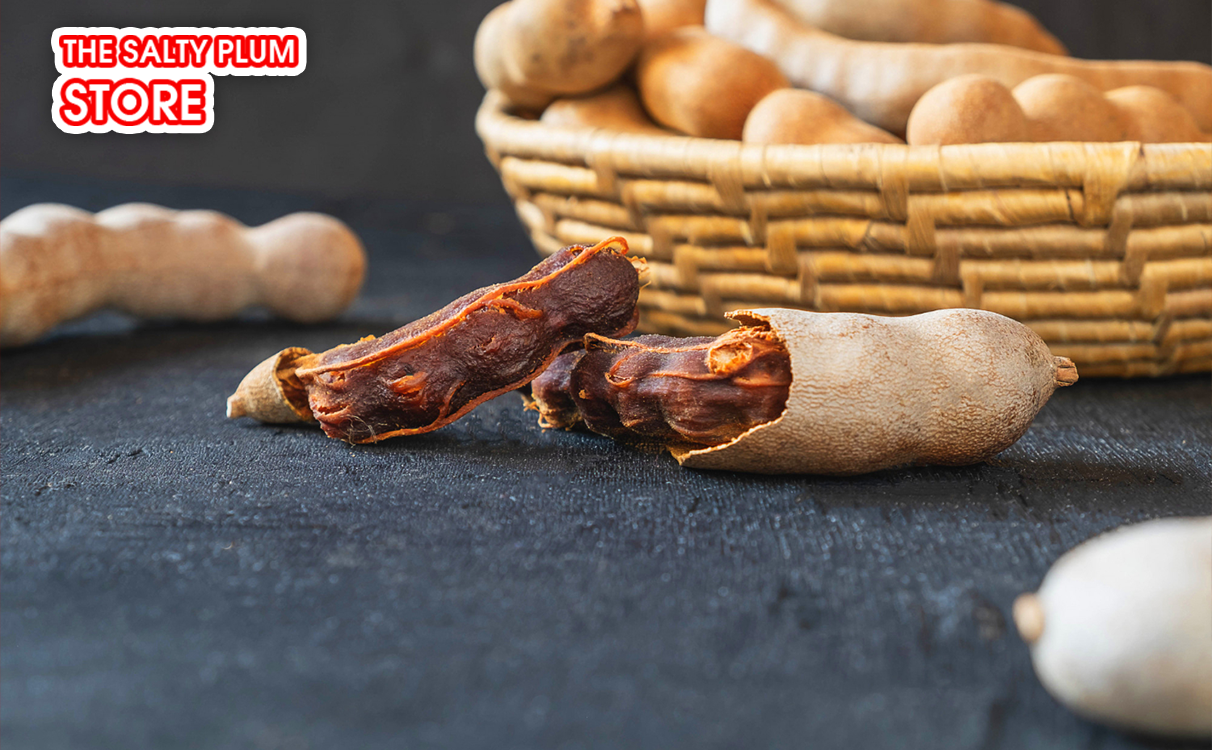
Dried tamarind is simply the pulp of the tamarind fruit that has been removed from its shell and seeds, then naturally sun-dried or gently dehydrated to preserve its flavor. The result is a dark brown, slightly sticky, and pliable fruit block filled with concentrated sweet-and-sour goodness.
1. Key characteristics
- Dark brown color with a soft, chewy texture
- Slightly sticky and easy to tear apart
- Rich, balanced sweet-and-sour flavor
2. How it compares to other forms
- Fresh tamarind: moister and more intensely sour
- Tamarind paste: processed and often mixed with water or preservatives
- Dried tamarind: natural, compact, and versatile in both taste and use
3. Common sources and uses
- Mainly produced in tropical regions such as India, Thailand, and the Philippines
- Enjoyed in various ways: As a tangy snack, infused into drinks, added to soups, sauces, or marinades for a touch of exotic flavor
II. Discovering the Taste of Dried Tamarind
Dried tamarind offers a clear balance of sweet and sour flavors. At first bite, it brings a sharp tanginess similar to lime or lemon, followed by a natural sweetness like dried apricots or dates. The taste often carries light hints of caramel or molasses, giving it a mild depth without being overpowering.
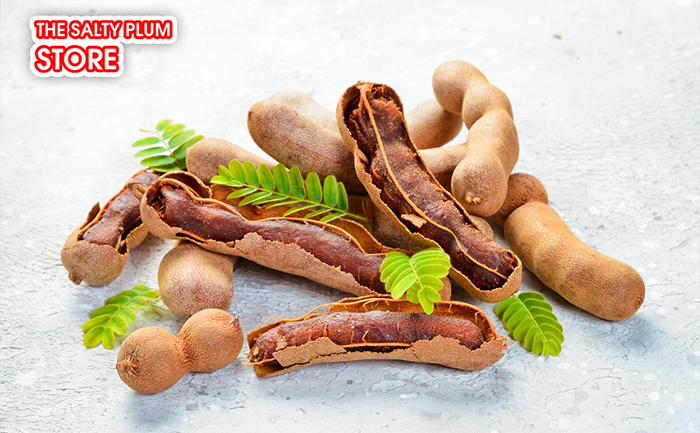
This balance comes from the fruit’s tartaric acid and concentrated natural sugars formed during drying. As a result, dried tamarind tastes less acidic and slightly sweeter than fresh tamarind.
Some describe its flavor as earthy and fruity, with a touch of smokiness depending on the drying method. Overall, dried tamarind has a complex yet well-balanced taste tangy, sweet, and subtly rich, making it a versatile ingredient for both snacks and cooking.
👉 Taste the perfect sweet-sour kick of dried tamarind, shop now at The Salty Plums Store!
III. Factors That Affect Its Taste
The flavor of dried tamarind doesn’t just come from the fruit itself — several key factors influence its final taste and aroma. Understanding these can help you choose the type that best matches your preference.
1. Ripeness (Degree of Maturity)
The level of ripeness plays a major role in defining tamarind’s taste. Fully ripe tamarind tends to be sweeter, with only a gentle sour note, while tamarind made from less mature pods produces a sharper, tangier flavor with less natural sweetness.
2. Processing Method
How tamarind is dried also affects its flavor profile. Naturally sun-dried tamarind retains more of its authentic sourness and distinctive tropical aroma, often with a hint of caramelization. In contrast, machine-dried tamarind offers a more consistent texture and taste but may lack some of that deep, earthy sweetness found in traditional methods.
3. Added Ingredients
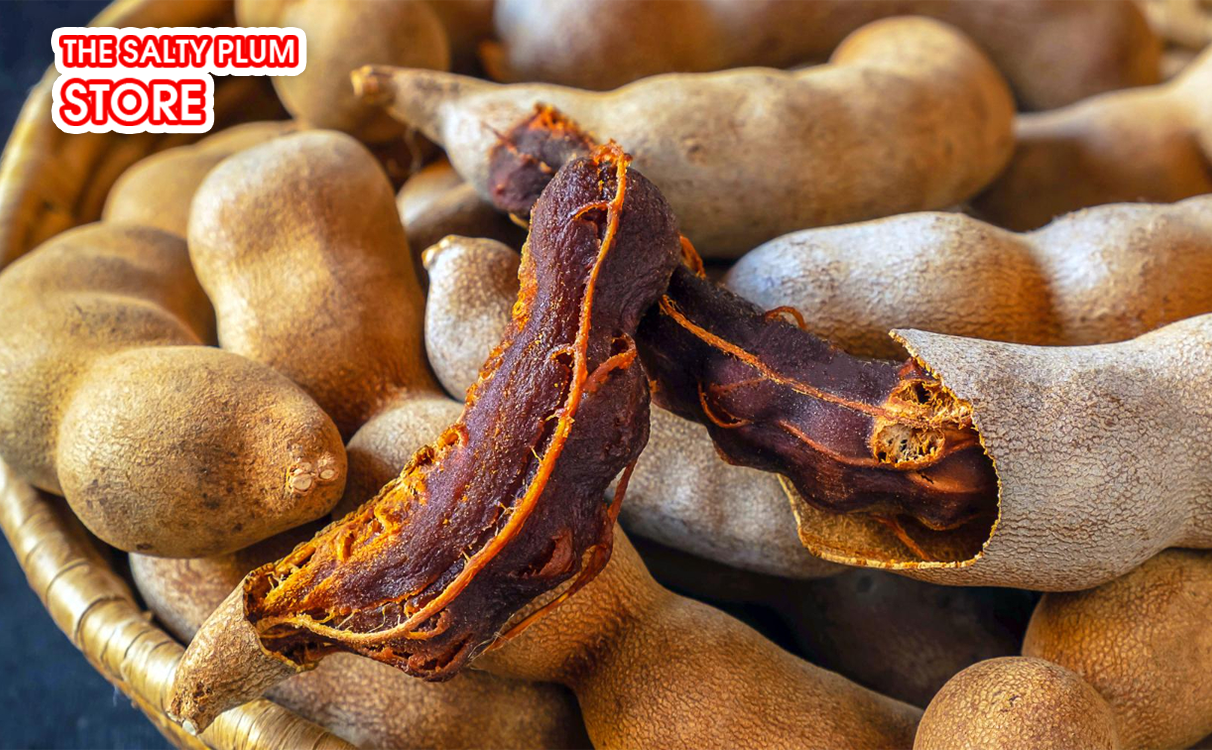
Some varieties of dried tamarind come with added sugar, salt, or chili powder — each altering the original taste. Sugar coating enhances its dessert-like sweetness, while a sprinkle of salt can highlight its tangy depth, creating a pleasant sweet-and-salty balance.
4. Storage Conditions
Over time, dried tamarind can develop a stronger, slightly more acidic taste due to mild oxidation. When stored properly in an airtight container away from heat and moisture, however, it retains its balanced sweet-sour character for months.
Each of these factors shapes the sensory experience of dried tamarind, making every batch subtly unique.
IV. How to Enjoy Dried Tamarind
Dried tamarind is incredibly versatile — whether eaten on its own or used in cooking, it offers a burst of flavor that’s both refreshing and satisfying.
1. Eat It as a Snack
One of the simplest ways to enjoy dried tamarind is to eat it directly. Its sweet-and-sour flavor acts as a natural palate cleanser and energizing snack. Many people love chewing on small pieces for a quick tangy treat that awakens the taste buds.

2. Use It in Cooking
Dried tamarind adds a delicious depth to both savory and spicy dishes. It’s a key ingredient in famous recipes like Pad Thai, Indian chutneys, and Mexican sauces. When soaked in warm water, it can be turned into tamarind water or pulp — a flavorful base for stews, soups, or BBQ marinades.
3. Make Refreshing Drinks
Mix dried tamarind with warm water or soda to create tamarind juice or agua de tamarindo, a popular tropical beverage with a perfect balance of sweet and tart.
4. Pair with Other Dried Fruits
Combine it with dates, dried mango, or apricots for a fiber-rich, energy-boosting snack mix that’s perfect for travel or post-workout recovery.
V. Health Benefits of Its Sweet and Sour Taste
Beyond its irresistible flavor, dried tamarind also offers a variety of health benefits that make it more than just a tasty treat.
1. Rich in Vitamins and Minerals
Dried tamarind contains essential nutrients such as vitamin C, B vitamins, magnesium, and potassium, which support overall health and help maintain energy levels.
2. Supports Digestion
Its natural acids particularly tartaric acid stimulate digestive enzymes, improving digestion and reducing bloating or indigestion after heavy meals.

3. Powerful Antioxidant Properties
Packed with polyphenols and flavonoids, tamarind helps combat free radicals, protecting the body from oxidative stress and promoting healthy skin and cells.
4. Heart Health and Cholesterol Control
The soluble fiber in dried tamarind can help lower “bad” cholesterol (LDL) while supporting cardiovascular health and blood circulation.
V. Conclusion
Dried tamarind is a delightful harmony of sweet and sour, offering a truly unique sensory experience. Its taste goes beyond being simply tangy or sugary — it’s the perfect balance between the two, with layers of flavor that evolve from bright and zesty to deep and caramel-like. This tropical fruit not only adds excitement to your palate but also brings versatility to your kitchen, from snacks and sauces to refreshing drinks.
Now that you know what does dried tamarind taste like, why not give it a try in your next recipe? Discover how its natural “tropical twist” can transform ordinary dishes into something vibrant, flavorful, and unforgettable.