




What are salty plums used for? These tiny, wrinkled flavor bombs, known as umeboshi in Japan or hua mei in China, have been cherished for centuries not just as snacks but as culinary enhancers and traditional remedies. Packed with a punch of salty, sour, and subtly sweet notes, salty plums are more than just a quirky treat; they’re a versatile ingredient that can elevate everyday dishes, soothe digestive woes, and even support your health. Whether you're a curious foodie or a wellness enthusiast, this guide will show you how to unlock the full potential of salty plums in seven delicious ways.
I. What Are Salty Plums Used For?
Salty plums, known as umeboshi in Japan, hua mei in China, and ô mai mặn in Vietnam, are more than just a tangy snack. These preserved fruits are used in a variety of ways across East Asian cultures, prized for their bold flavor and surprising health benefits.
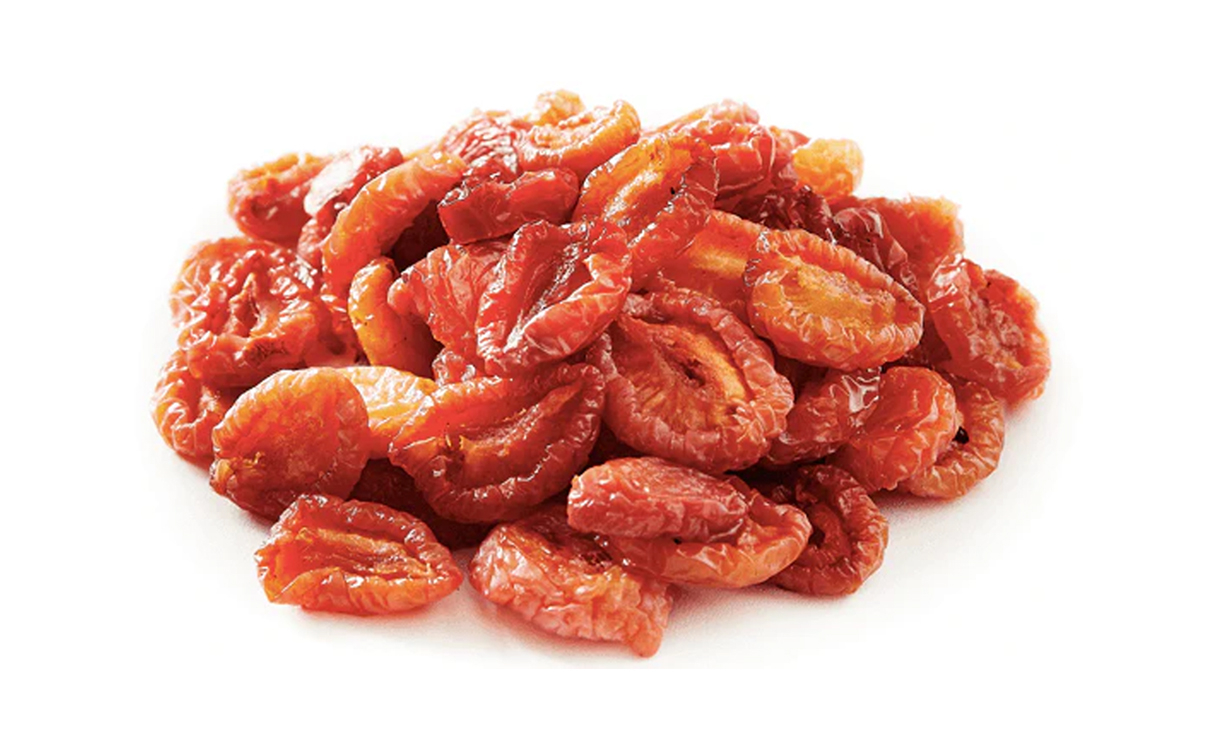
Here’s what salty plums are commonly used for:
1. Culinary Uses
- Flavor Enhancer: Salty plums add a punch of umami, sourness, and saltiness to dishes. They're often mashed into sauces, stirred into soups, or used as marinades for meats and fish.
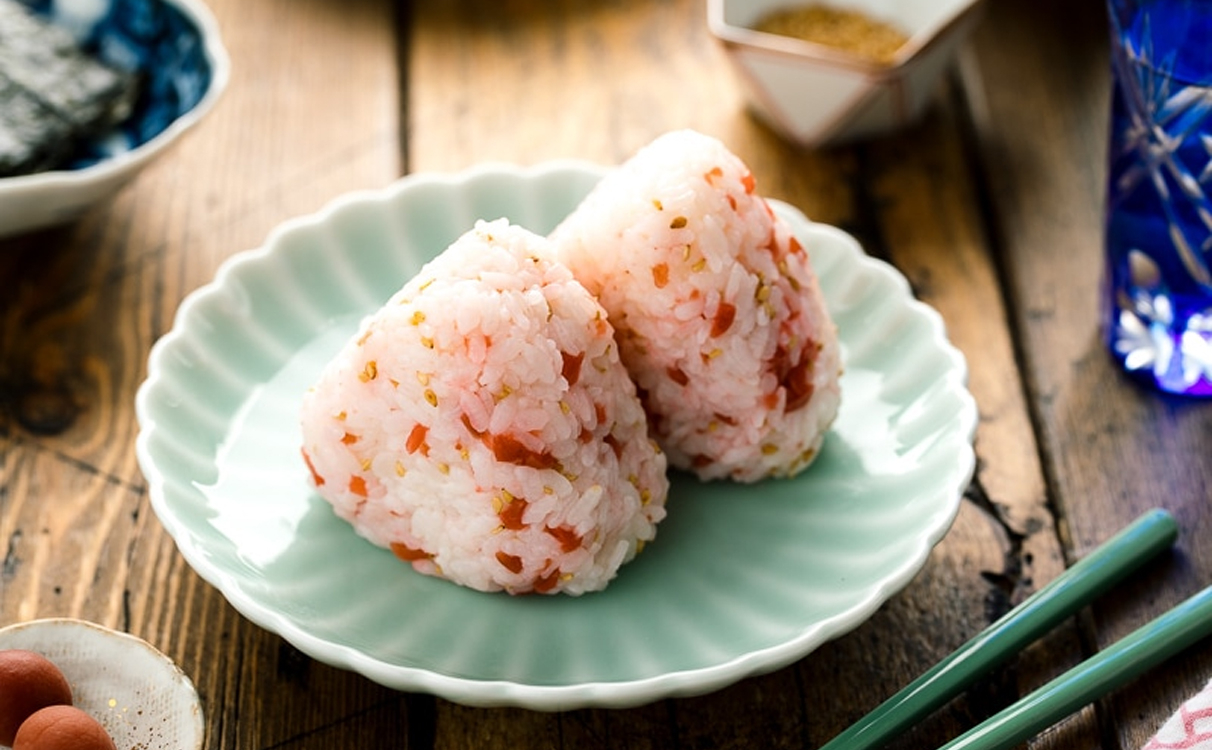
- Rice Companion: In Japan, umeboshi is traditionally placed inside rice balls (onigiri) or served with plain rice to balance the blandness with its intense flavor.
- Salad Dressing & Stir-Fries: Crushed salty plums can be mixed with soy sauce, garlic, or sesame oil to create unique dressings or stir-fry bases.
- Congee & Broth Booster: Dropping a plum into rice porridge or soup adds depth and a comforting tang.
2. Health & Wellness
- Digestive Aid: Salty plums are known for their natural laxative effect and ability to soothe upset stomachs.
- Liver Protection: Some studies suggest compounds in salty plums may support liver detoxification.
- Antioxidant Properties: Rich in polyphenols, they help combat oxidative stress and may reduce the risk of chronic diseases.
- Oral Health: Their antibacterial properties can help prevent cavities and promote better oral hygiene.
- Blood Sugar Regulation: Salty plums may help stabilize glucose levels by improving cellular uptake of sugar.

3. Other Uses
- Seasoning Paste: Salty plums can be blended into a paste used as a condiment or dip.
- Traditional Remedies: In folk medicine, they’re used to combat fatigue, nausea, and even hangovers.
Whether you're cooking, snacking, or seeking natural wellness support, salty plums offer a unique blend of flavor and function. Their versatility makes them a staple in many Asian households—and a hidden gem for adventurous eaters worldwide.
II. 7 Ways to Enjoy Salty Plums
If you’ve ever asked yourself what are salty plums used for, you’re in for a treat. These tangy, salty-sweet fruits—whether Japanese umeboshi, Chinese hua mei, or Hawaiian li hing mui—are culinary chameleons. They can be enjoyed in countless ways, from traditional snacks to modern fusion dishes. Here are seven delicious and creative ways to savor salty plums:
1. Snack Them Solo
The most straightforward answer to what are salty plums used for is snacking. Their intense flavor profile, salty, sour, and slightly sweet, makes them a bold palate cleanser. They’re especially popular as a travel snack or post-meal digestive aid.
2. Inside Rice Balls or Congee
In Japanese cuisine, salty plums (umeboshi) are tucked inside rice balls (onigiri) or stirred into congee for a burst of flavor. The plum’s acidity balances the blandness of rice, making it a comforting and nourishing combo.
3. Tossed into Salads
Chop salty plums and mix them into green salads or grain bowls. Their tangy kick pairs beautifully with bitter greens, nuts, and citrus dressings. Think of them as a natural seasoning that adds complexity without overpowering.
4. Infused in Drinks
Wondering what are salty plums used for in beverages? Try dropping one into hot tea, soda water, or even cocktails. In Hawaii, li hing mui is often used to flavor lemonade or margaritas, adding a tropical twist that’s both refreshing and nostalgic.
5. Blended into Marinades
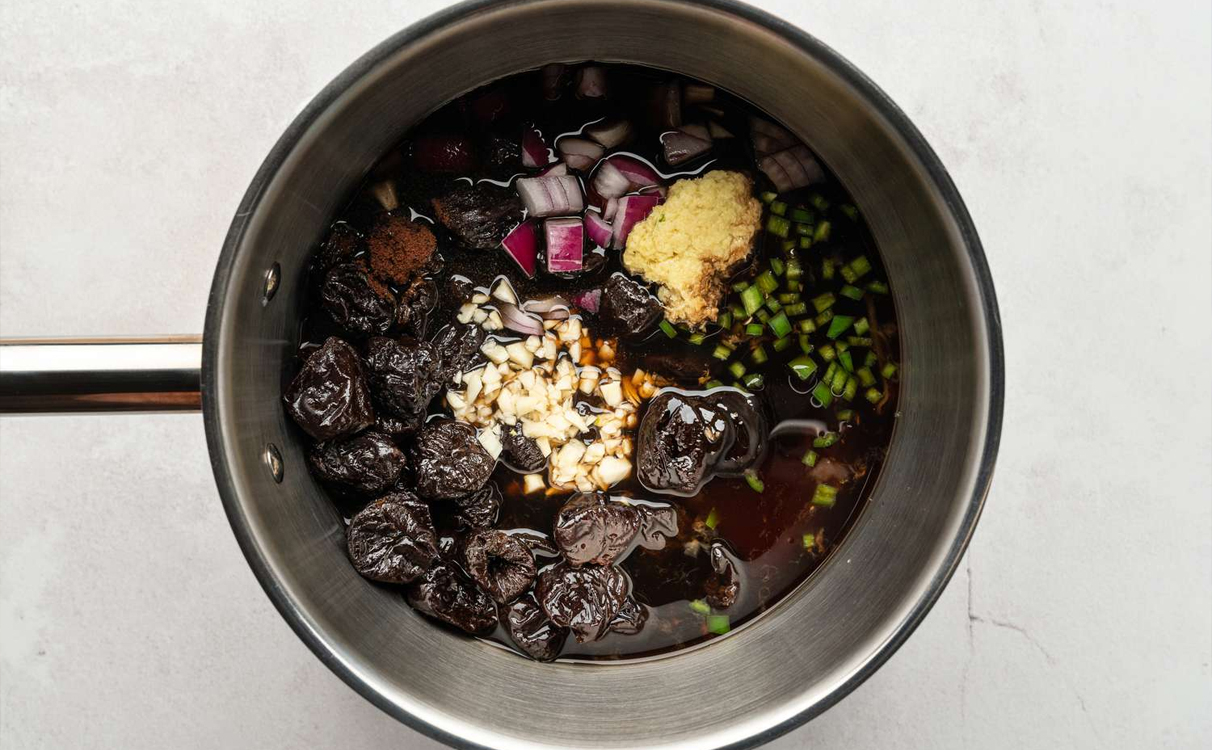
Crushed salty plums can be blended with garlic, soy sauce, and vinegar to create a bold marinade for meats or tofu. Their natural acidity helps tenderize proteins while infusing them with deep umami flavor.
6. Baked into Sweet Treats
For a sweet-and-salty surprise, add chopped salty plums to cookies, muffins, or brownies. Their chewy texture and zingy taste elevate baked goods with a unique twist that’s especially popular in fusion desserts.
7. Sprinkled on Fresh Fruit
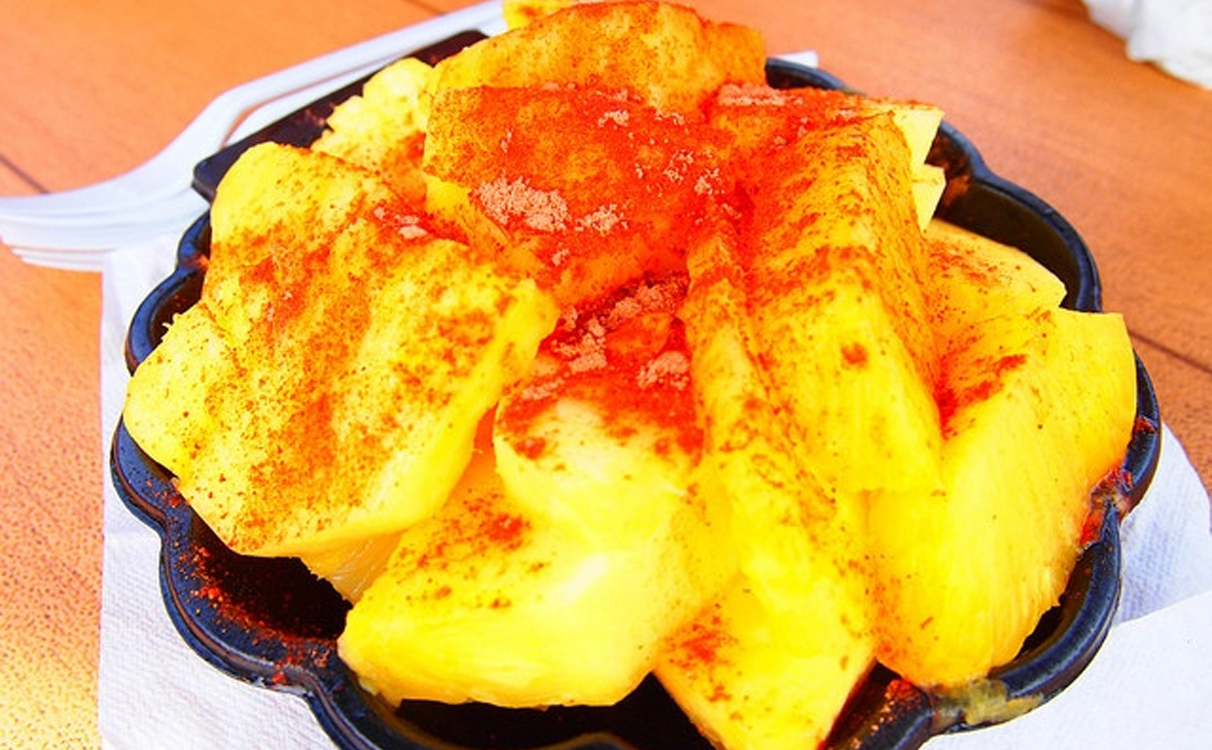
In Hawaiian cuisine, crushed salted plums are sprinkled over pineapple, mango, or watermelon. The salty tang enhances the fruit’s sweetness, creating a flavor explosion that’s perfect for summer snacking.
From savory dishes to sweet indulgences, salty plums are a versatile ingredient that answers the question what are salty plums used for with endless possibilities. Ready to learn how to store them and keep their flavor fresh? Read more related articles here:
- Easy Salty Plum Recipe with Lemon or Chili
- 10 Must-Try Ways to Use Hawaiian Salted Plums
- Salted Plum Drink Recipe: A Refreshment with a Vietnamese Soul
III. Storage and Tips
Now that you know what are salty plums used for, it’s time to learn how to store them properly to preserve their bold flavor and health benefits. Whether you’ve bought them in bulk or made your own batch, proper storage ensures they stay fresh, safe, and delicious for months.
1. How to Store Salty Plums
- Cool, Dry Place: Store unopened packages of salty plums in a cool, dry pantry away from direct sunlight. Doing so helps preserve their firmness and keeps them from going bad.
- Refrigeration: Once opened, salty plums should be kept in an airtight container in the refrigerator. This extends their shelf life and keeps them from drying out or absorbing odors.
- Avoid Moisture: Moisture is the enemy of preserved plums. Always use dry utensils when handling them to prevent mold growth.
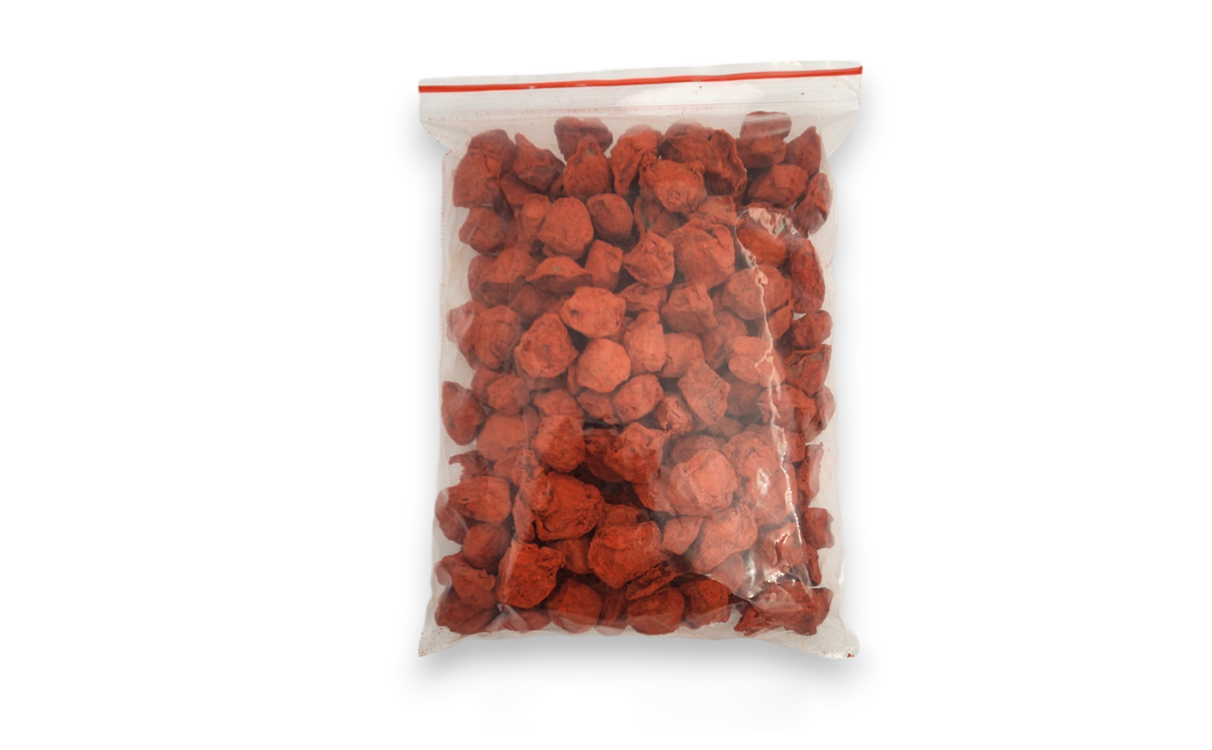
- Freezing Option: For long-term storage, salty plums can be frozen. Transfer them into an airtight container or a freezer-friendly pouch to preserve their quality. Their taste and texture can stay intact for as long as 12 months.
2. Tips for Maximum Enjoyment
- Portion Control: Salty plums are intense in flavor and high in sodium. Enjoy them in moderation, especially if you’re watching your salt intake.
- Pairing Ideas: Try pairing salty plums with green tea, citrus fruits, or plain rice to balance their bold taste.
- Experiment in Cooking: Don’t be afraid to mash or chop them into sauces, dressings, or marinades. Their unique flavor can elevate both savory and sweet dishes.
- Check for Quality: If your plums develop an off smell, discoloration, or mold, it’s time to discard them.
Understanding what are salty plums used for also means knowing how to care for them. With the right storage and a few smart tips, you’ll be able to enjoy their tangy magic anytime you crave a burst of flavor.
IV. Conclusion
So, what are salty plums used for? As we've explored, these tiny flavor-packed fruits are far more than just nostalgic snacks. From enhancing rice dishes and marinades to infusing drinks and desserts, salty plums bring a bold, tangy twist to both traditional and modern cuisine. Their health benefits, ranging from digestive support to antioxidant protection, make them a smart addition to your pantry, not just a tasty one.
Whether you're rediscovering them from childhood memories or trying them for the first time, salty plums offer a unique sensory experience that’s hard to forget. With proper storage and a little creativity, you can enjoy their punchy flavor in countless ways. So go ahead, experiment, savor, and let salty plums surprise you.