




When it comes to healthy snacking and versatile ingredients, types of dried fruit play an important role in everyday diets around the world. From simple home snacks to baking, cooking, and beverage garnishes, dried fruits offer long shelf life, concentrated flavor, and natural sweetness without complicated preparation.
Understanding the different types of dried fruit helps you choose the right option for your nutrition goals, recipes, and lifestyle. In this guide, we break down the main categories, explain how processing methods affect texture and taste, and show you how to select dried fruits that fit your daily needs.
I. Main Types of Dried Fruit (By Fruit Category)
When looking at the most common types of dried fruit, grouping them by fruit category makes it easier to understand their flavors, textures, and everyday uses. Each category serves different dietary needs and culinary purposes.
1. Dried tree fruits
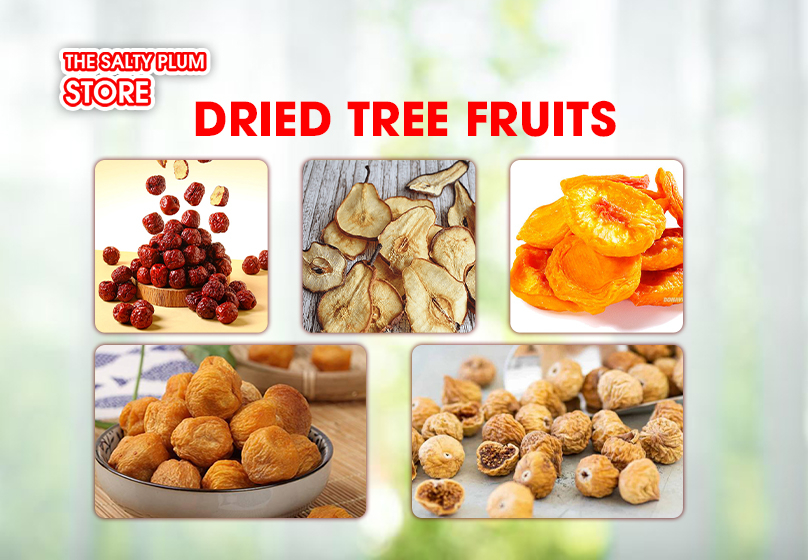
This group includes dried apples, pears, peaches, apricots, and figs. These types of dried fruit usually have a soft, chewy texture and a naturally mild sweetness. They are often eaten as snacks, added to oatmeal, yogurt, or used in baking and desserts.
2. Dried tropical fruits
Popular options include dried mango, pineapple, banana, papaya, and coconut. These types of dried fruit are known for their bright flavor and higher natural sugar content. They are commonly used in trail mixes, energy snacks, and as toppings for smoothie bowls or breakfast dishes.
3. Dried berries
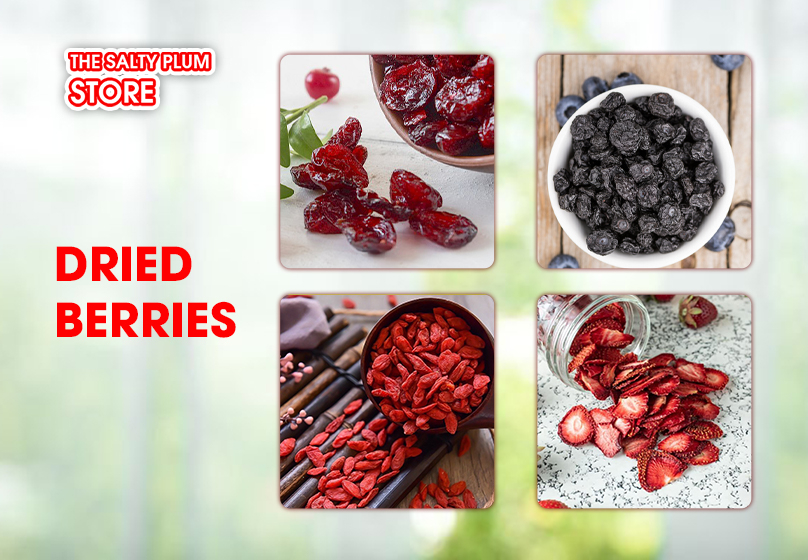
Dried cranberries, blueberries, strawberries, and goji berries fall into this category. Compared to other types of dried fruit, dried berries tend to be smaller in size but rich in flavor. They are frequently added to salads, cereals, baked goods, and healthy snack mixes.
4. Dried citrus fruits
This category includes dried oranges, lemons, limes, and grapefruit slices. These types of dried fruit have a stronger aroma and a slightly bitter-sweet taste. They are often used for tea infusions, cocktail garnishes, baking, or decorative food presentation.
By understanding these main types of dried fruit by category, you can more easily select the right option for snacking, cooking, or enhancing the nutritional value of your meals.
II. Types of Dried Fruit Based on Processing Method
In addition to fruit category, many types of dried fruit are also classified by how they are processed. The drying method affects texture, flavor, shelf life, and nutritional value, which is important when choosing dried fruit for health or cooking purposes.
1. Sun-dried fruit
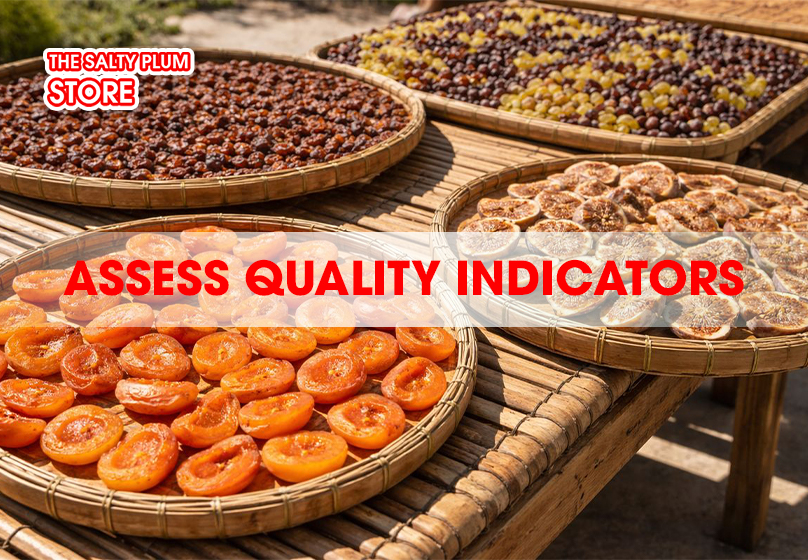
Sun drying is one of the oldest methods used to preserve fruit. Fruits are placed under natural sunlight until most of the moisture is removed. These types of dried fruit often have a deep, concentrated sweetness and a darker color. Common examples include sun-dried raisins, figs, and apricots. They are widely used in baking, traditional recipes, and everyday snacking.
2. Air-dried fruit
Air drying uses controlled airflow at low temperatures to slowly remove moisture. These types of dried fruit usually keep more of their original shape and flavor. The texture tends to be soft and chewy, making them suitable for direct consumption, breakfast bowls, and light desserts.
3. Oven-dried fruit
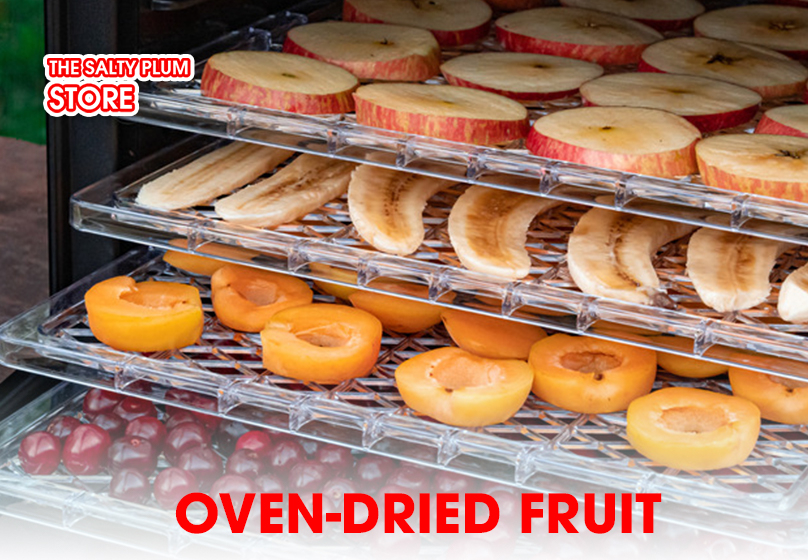
Oven drying relies on low, steady heat to dry fruit evenly. This method allows better control over moisture levels and consistency. These types of dried fruit are often made at home and are commonly used in cooking, baking, or as healthy homemade snacks.
4. Freeze-dried fruit
Freeze drying removes moisture by freezing the fruit and then reducing pressure so the ice turns directly into vapor. These types of dried fruit are very light, crisp, and retain much of their original color and nutrients. They are popular in cereals, snack packs, and long-term food storage.
Understanding the processing method behind different types of dried fruit helps you choose products that match your taste preference, nutritional goals, and intended use.
III. How to Choose the Right Type of Dried Fruit
Selecting the right types of dried fruit can feel overwhelming when faced with countless options at the grocery store or online. However, by considering a few key factors, you can confidently choose dried fruit that matches your taste preferences, health goals, and intended uses.
1. Consider Your Purpose and Usage

The first step in choosing types of dried fruit is determining how you plan to use them. For everyday snacking, opt for versatile options like raisins, apricots, or mixed dried fruit blends that offer variety and convenience.
If you're baking, consider dried cranberries for muffins, chopped dates for energy bars, or candied citrus peels for festive cakes. For cooking savory dishes, unsweetened dried fruits like apricots, prunes, or figs work beautifully in tagines, stews, and grain salads.
2. Read Labels Carefully
When shopping for types of dried fruit, always examine the ingredient list and nutrition label. The best dried fruit contains only one ingredient, which is the fruit itself. Watch out for added sugars, which can significantly increase calorie content and diminish health benefits. Many commercially dried fruits, especially cranberries and mangoes, often contain added sweeteners.
3. Assess Quality Indicators
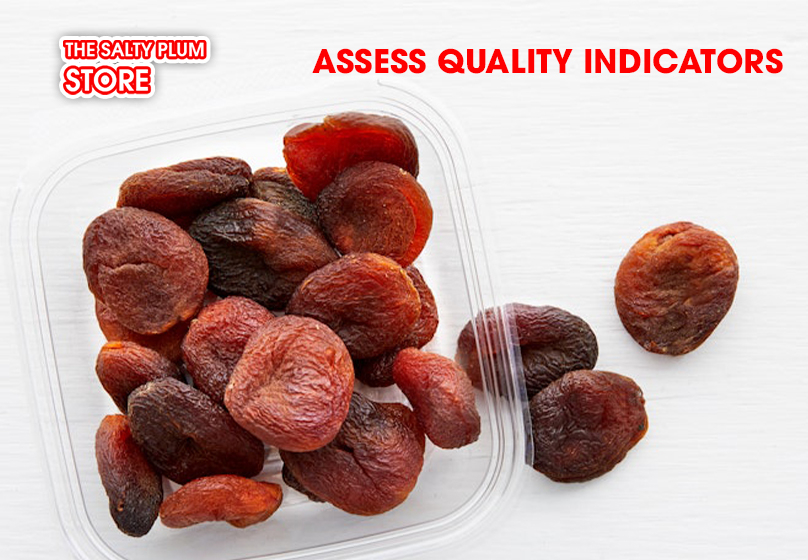
High-quality types of dried fruit should have certain visual and textural characteristics. Look for fruit that appears plump and slightly moist rather than shriveled and hard, which indicates freshness. The color should be consistent with the processing method used. For example, naturally dried apricots will be brown, while sulfured ones are bright orange.
4. Match Dried Fruit to Your Dietary Needs
Different types of dried fruit offer varying nutritional profiles, so choose based on your health goals. If you're watching your sugar intake, opt for naturally lower-sugar options like unsweetened berries or choose smaller portions of sweeter varieties. For digestive health, prunes and figs are excellent choices due to their fiber content. Athletes and active individuals might prefer energy-dense options like dates or raisins for quick fuel.
5. Consider Flavor Profiles
The types of dried fruit you choose should complement your taste preferences and the flavors in your recipes. If you enjoy tart flavors, dried cranberries, sour cherries, or goji berries will appeal to you. For those with a sweet tooth, dates, dried figs, or candied pineapple offer intense sweetness. Mild, versatile flavors like dried apples or pears work well if you want fruit that won't overpower other ingredients.
6. Think About Texture Preferences
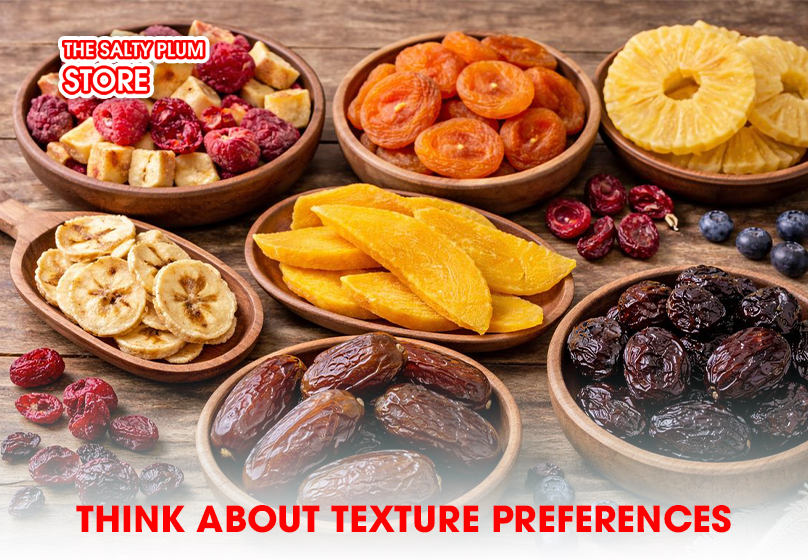
Texture plays a crucial role in enjoying types of dried fruit. If you prefer crispy, crunchy textures, freeze-dried fruits or banana chips are ideal choices. Those who enjoy chewy, substantial bites will appreciate traditionally dried apricots, mango slices, or pineapple rings. For softer, melt-in-your-mouth experiences, look for premium Medjool dates or well-hydrated prunes.
IV. Conclusion
Understanding the different types of dried fruit helps you make smarter choices for snacking, cooking, and maintaining a balanced diet. By knowing how dried fruits are categorized by fruit type and processing method, you can select options that match your taste preferences, nutritional needs, and intended use.
Whether you enjoy dried fruit as a quick snack, a recipe ingredient, or a healthy topping, choosing quality products makes a clear difference. If you are looking for carefully selected types of dried fruit with great flavor and reliable quality, you can explore a wide range of options at The Salty Plum Store to suit everyday eating and special uses alike.
Related Article: