




Whether you love experimenting with new flavors or simply want to elevate your home-cooked meals, dried tamarind recipes are worth exploring. Known for its sweet-sour balance and rich aroma, dried tamarind can turn ordinary dishes into something truly special. In this guide, The Salty Plum Store will walk you through three easy yet delicious recipes you can make at home, perfect for adding a tropical twist to your everyday cooking.

I. Why Should You Cook with Dried Tamarind?
Dried tamarind isn’t just a flavorful ingredient, it’s a kitchen essential for anyone who loves creating bold, balanced dishes. Its natural tanginess adds depth to soups, sauces, and marinades, while a hint of sweetness rounds out savory flavors beautifully.
Beyond taste, cooking with dried tamarind brings plenty of wellness perks. It’s rich in antioxidants, vitamins, and minerals that support digestion and immunity. If you want to learn more about the health benefits of dried tamarind, you’ll see why it’s more than just a delicious ingredient—it’s also a smart choice for healthy cooking. Incorporating it into your favorite dried tamarind recipes not only enhances flavor but also helps you enjoy nutritious, wholesome meals every day.

II. Top 3 Dried Tamarind Recipes for Home Cooks
Ready to turn your pantry staple into something extraordinary? These dried tamarind recipes are simple, flavorful, and perfect for home cooks who want to bring a tropical twist to everyday meals. Let’s explore the top three ways to make the most of this tangy ingredient.
1. Dried Tamarind Soup (Canh Me Chua)
Among all dried tamarind recipes, this simple yet flavorful soup is a true comfort dish that brings warmth and balance to any meal. The signature sourness of tamarind blends beautifully with the natural sweetness of shrimp or fish, creating a refreshing, appetizing broth you’ll love any time of the year.
Ingredients:

- 20g dried tamarind (about 2 tablespoons)
- 200g shrimp or fish (your choice)
- 1 tomato, sliced into wedges
- 1–2 stalks of lemongrass (optional, for extra aroma)
- 1 tablespoon fish sauce
- 1 teaspoon sugar
- ½ teaspoon salt
- 1 clove garlic, minced
- 1 tablespoon vegetable oil
- Fresh herbs (cilantro, green onions, or Thai basil) for garnish
Instructions:

Step 1: Make the tamarind mixture
Soak the dried tamarind in ½ cup of warm water for about 10 minutes. Mash it gently to extract the pulp, then strain the liquid through a sieve to remove seeds and fibers. Set aside the tamarind water — this will be your soup’s sour base.
Step 2: Sauté the aromatics
Warm some cooking oil in a saucepan over medium flame. Stir in the chopped garlic and cook until it releases a pleasant aroma. Add the sliced tomatoes and stir until softened; this helps build a rich, savory base for your broth.
Step 3: Add the broth and protein
Pour about 3 cups of water into the pot, then bring it to a boil. Add shrimp or fish, followed by lemongrass if desired. Cook until the protein turns tender.
Step 4: Flavor with tamarind and seasoning
Pour in the tamarind water, then season with fish sauce, sugar, and salt. Adjust the taste; it should be pleasantly sour with a gentle balance of sweet and salty.
Step 5: Serve and enjoy
Turn off the heat, sprinkle fresh herbs on top, and enjoy it warm with a bowl of rice. This light, tangy soup not only enhances your appetite but also highlights the tropical depth that makes dried tamarind recipes so unique and satisfying.
2. Tamarind-Glazed Chicken
If you’re looking for something bold, aromatic, and irresistibly tangy, this Tamarind-Glazed Chicken is a must-try. Among the many dried tamarind recipes, this one stands out for its perfect harmony of sweet, sour, and savory flavors, a dish that can easily impress both family and guests.
Ingredients:

- 500g of chicken (choose thighs or drumsticks for best texture)
- 2 tablespoons dried tamarind (soaked in ¼ cup warm water, pulp strained)
- 2 tablespoons of honey, or swap with brown sugar for a milder sweetness
- 2 tablespoons soy sauce
- 1 tablespoon fish sauce
- 2 cloves garlic, minced
- 1 teaspoon grated ginger
- 1 tablespoon vegetable oil
- ½ teaspoon crushed chili flakes, if you like a touch of heat
- A pinch of black pepper
- Top with chopped cilantro or a few sesame seeds before serving
Instructions:

Step 1: Prepare the tamarind glaze
Soak dried tamarind in warm water for about 10 minutes, then press to extract the thick, tangy pulp. Strain and set aside. In a small bowl, mix the tamarind pulp with honey, soy sauce, fish sauce, garlic, and ginger. Stir well to create a glossy, balanced glaze.
Step 2: Marinate the chicken
Place the chicken in a large bowl and pour half of the tamarind glaze over it. Massage the mixture into the meat, making sure each piece is evenly coated. Allow the chicken to soak up the marinade for 30 minutes, or leave overnight for richer taste.
Step 3: Cook the chicken
Heat oil in a nonstick pan or skillet over medium heat. Add the marinated chicken and sear both sides until golden brown. Reduce the heat, then pour in the remaining tamarind glaze. Allow it to simmer gently, turning occasionally, until the sauce thickens and coats the chicken beautifully (about 10–12 minutes).
Step 4: Serve and garnish
Transfer the chicken to a serving plate, drizzle with extra sauce, and garnish with fresh cilantro or sesame seeds. Serve immediately while hot, paired with rice or your favorite grilled veggies.
3. Dried Tamarind Chutney
No list of dried tamarind recipes would be complete without this classic Dried Tamarind Chutney, a sweet, tangy, and slightly spicy condiment that pairs perfectly with snacks, grilled meats, or vegetarian dishes. Simple to make yet packed with bold flavors, this chutney is a staple in many South Asian kitchens and a great way to explore tamarind’s versatility.
Ingredients:

- 50g dried tamarind
- 1 ½ cups warm water
- 4 tablespoons of jaggery, or substitute with brown sugar if preferred
- ½ teaspoon ground cumin, lightly toasted for extra aroma
- ½ teaspoon chili powder, feel free to adjust the amount to your liking
- ¼ teaspoon of black salt, or use table salt as an alternative
- 1 teaspoon grated ginger
- ½ teaspoon mustard seeds (optional, for added aroma)
- Add a sprinkle of chopped coriander before serving
Instructions:
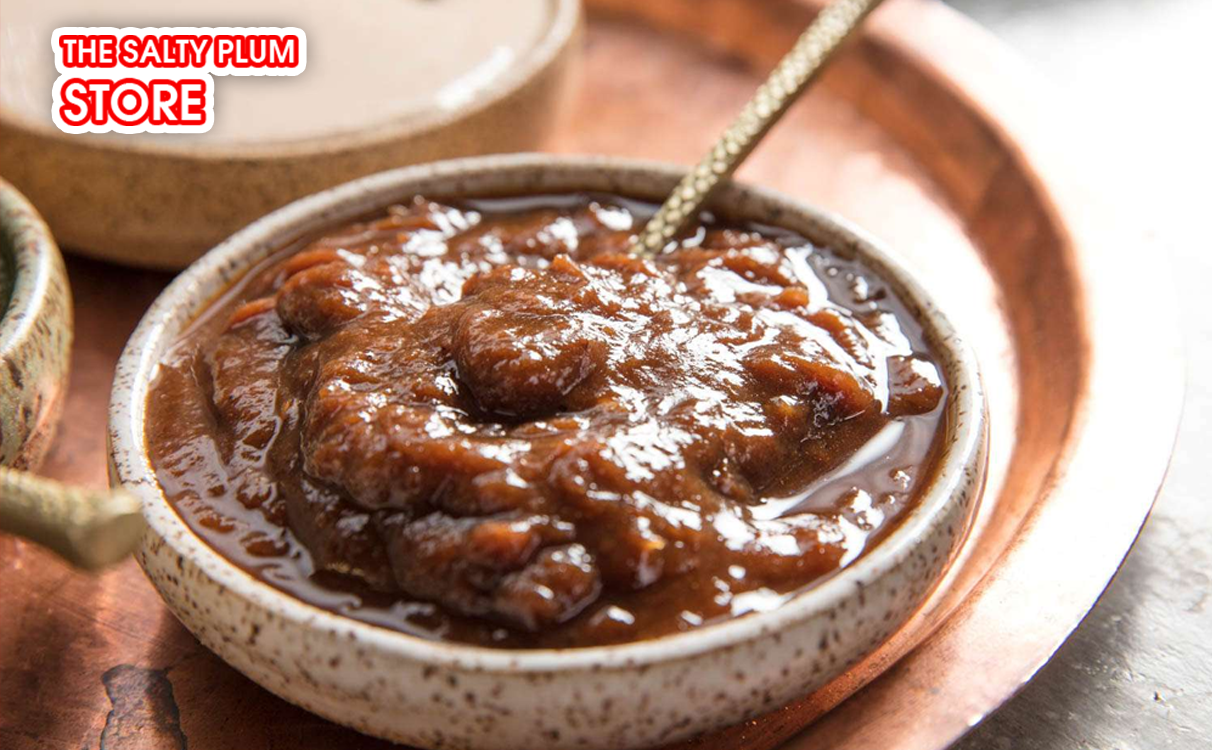
Step 1: Prepare the tamarind pulp
Soak dried tamarind in warm water for 15–20 minutes until it softens. Once tender, mash the tamarind with a spoon to release its pulp. Strain the mixture through a fine sieve to remove seeds and fibers — the result should be a smooth, tangy liquid base.
Step 2: Cook the chutney
Pour the strained tamarind pulp into a saucepan and bring it to a gentle boil over medium heat. Add jaggery (or brown sugar) and stir until it completely dissolves, giving the chutney a glossy, caramel-like texture.
Step 3: Add spices for depth
Sprinkle in roasted cumin powder, chili powder, black salt, and grated ginger. Stir continuously and let the mixture simmer for 5–7 minutes, or until it thickens slightly. If you prefer a bit of aroma, toast mustard seeds in a drop of oil and mix them in at this stage.
Step 4: Cool and serve
Take it off the stove and allow the chutney to cool to room temperature. The texture will become thicker naturally once it cools down. Finish with a few fresh coriander leaves just before serving.
III. Conclusion
From a light and refreshing soup to a flavorful glaze and a tangy chutney, these dried tamarind recipes prove just how versatile and exciting this tropical ingredient can be. Whether you’re an adventurous cook or simply looking to bring new depth to your everyday meals, tamarind’s sweet-sour balance has something special to offer every dish.
Cooking with dried tamarind doesn’t have to be complicated; it’s all about experimenting with flavors and enjoying the process. Each recipe in this guide shows a different way to let tamarind shine, turning simple ingredients into memorable homemade meals.
If you’re ready to try these recipes for yourself, make sure to start with high-quality tamarind. The Salty Plum Store offers carefully selected dried tamarind products that deliver the perfect balance of tanginess and freshness, helping you create authentic, delicious results in your own kitchen.