




TSG Gordonvale recommends:
11 comprehensive steps—from assessing your needs to evaluating quality and long-term value—to help you select delicious, safe, and cost-effective dried food products.
1. Clearly Define Your Purpose and Frequency of Use
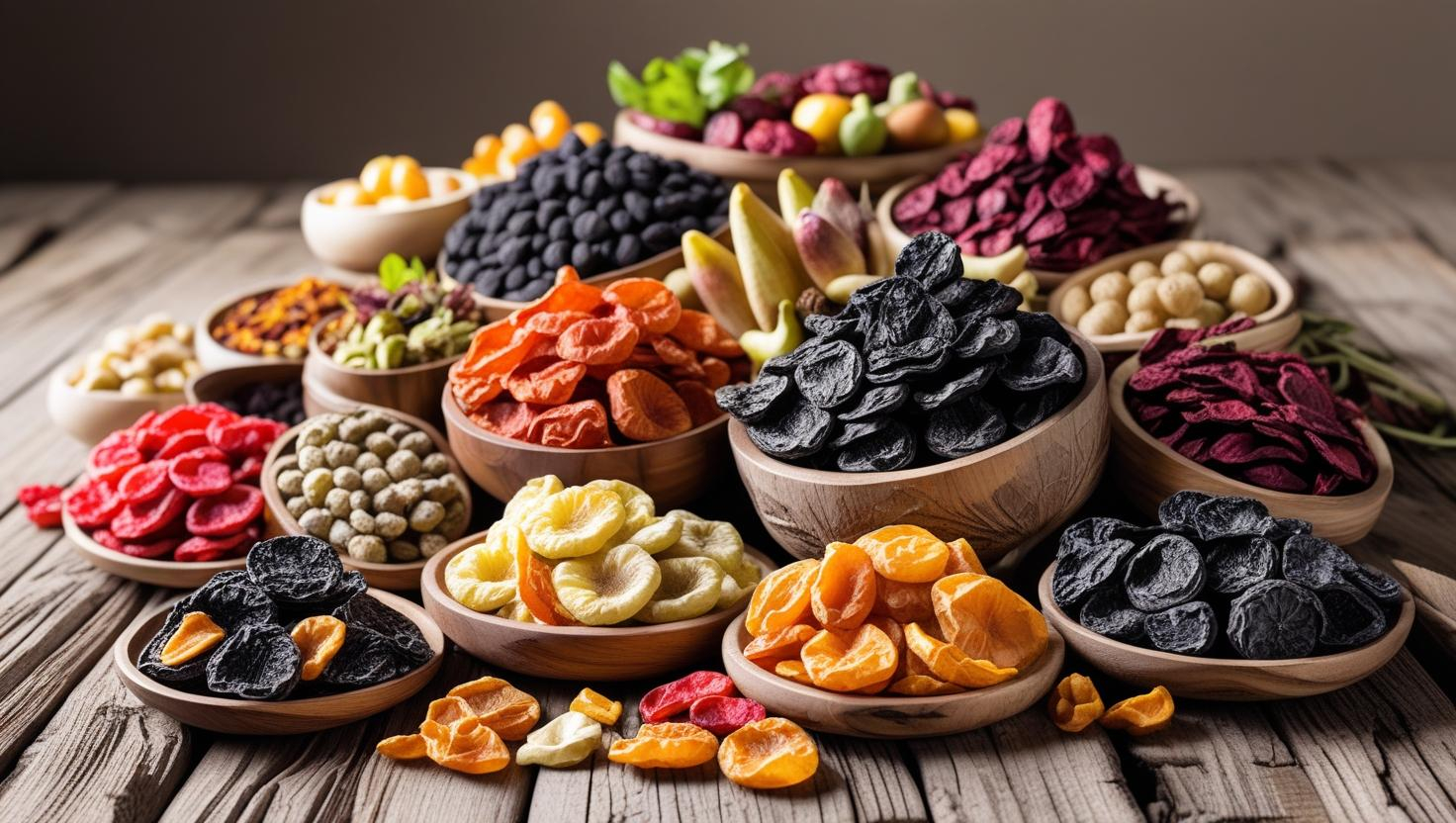
Begin with a simple question: “What do I need dried food for?”
- Snacking: For a quick bite during work or as a pre-/post-meal snack.
- Outdoor Energy: To fuel activities like hiking, camping, or traveling.
- Cooking Ingredients: Such as dried vegetables, mushrooms, or minced garlic/onion.
- Health Gifts: For business partners, friends, or clients looking for nutritious options.
- Long-Term Storage: For stocking your pantry or freezer in case of emergencies.
Defining your purpose helps you narrow down the range—whether it’s soft dried fruits, crunchy nutrient-packed nuts, or richly flavored dried meats—while ensuring you purchase the right quantity for optimal storage and freshness.
2. Understand the Drying Technologies and Their Advantages
Dried foods aren’t just “dehydrated” items; they are processed using different methods:
- Hot-Air Drying: A common, low-cost technique; however, high temperatures can reduce vitamin C and affect natural flavors.
- Freeze-Drying: Preserves cell structure to retain maximum flavor and nutrients, though it comes with a higher price tag.
- Vacuum Drying: Similar to freeze-drying, this method minimizes oxidation to help preserve the original taste.
- Microwave Drying: Accelerates the drying process and maintains food color, but it can sometimes lead to uneven heating or even burning.
Always check the product description. For premium fruits like mangoes, strawberries, and kiwis, freeze-drying often produces a crisp texture, vibrant color, and maintains the distinctive aroma. For everyday snacking on a budget, products made with hot-air drying might be perfectly acceptable.
3. Prioritize Transparent Sourcing and Quality Certifications
Food safety comes first. Look for clear indicators of origin:
- A “Made in Australia” label or explicit production details with address, barcode, and processing facility.
- Certifications such as HACCP, ISO 22000, Australian Certified Organic, or USDA Organic.
- A QR code on the package that allows you to trace back to the farm, harvest date, and drying process.
TSG Gordonvale partners with local farms in Queensland that grow produce like guava, mango, pineapple, and bell pepper under organic standards. Each product comes with a certification ensuring minimal residues of pesticides, growth stimulants, or heavy metals.
4. Read the Ingredients List and Nutritional Information
Some dried foods may be enhanced with added sugar, salt, or other additives to boost flavor or shelf life. When choosing, be sure to:
- Examine the Ingredients: Opt for items that list only “fruit/natural” without any added sugars or preservatives.
- Study the Nutrition Facts: Compare the total sugars, dietary fiber, protein, and fat content carefully.
- Cater to Specific Diets: For those following Keto, Paleo, or diabetic-friendly diets, look for alternatives that use sugar alcohols (like erythritol or xylitol) or have lower carbohydrate counts.
Example: While 100 grams of unsweetened freeze-dried mango may contain 60–70 grams of natural sugar, 100 grams of unsweetened dried kiwi might only have 30–40 grams of sugar with over 10 grams of fiber.
5. Check the Production Date, Expiry, and Packaging
The quality of dried foods can diminish over time, especially if the packaging isn’t secure. Before you buy:
- Compare Dates: Look at the “packed on” and “best before” dates, choosing products with at least 6–12 months of shelf life remaining.
- Inspect the Packaging: Ensure you have sealed, zipper-lock pouches, moisture-resistant silver bags, or multi-layered aluminum/film wrappers.
- Examine the Package: Avoid products with swollen, punctured, or moist packaging.
TSG Gordonvale uses nitrogen-flush technology—injecting N₂ gas into the pouch before sealing—to minimize oxygen exposure and help maintain the product’s crunch and flavor.
6. Compare Nutritional Value, Weight, and Price
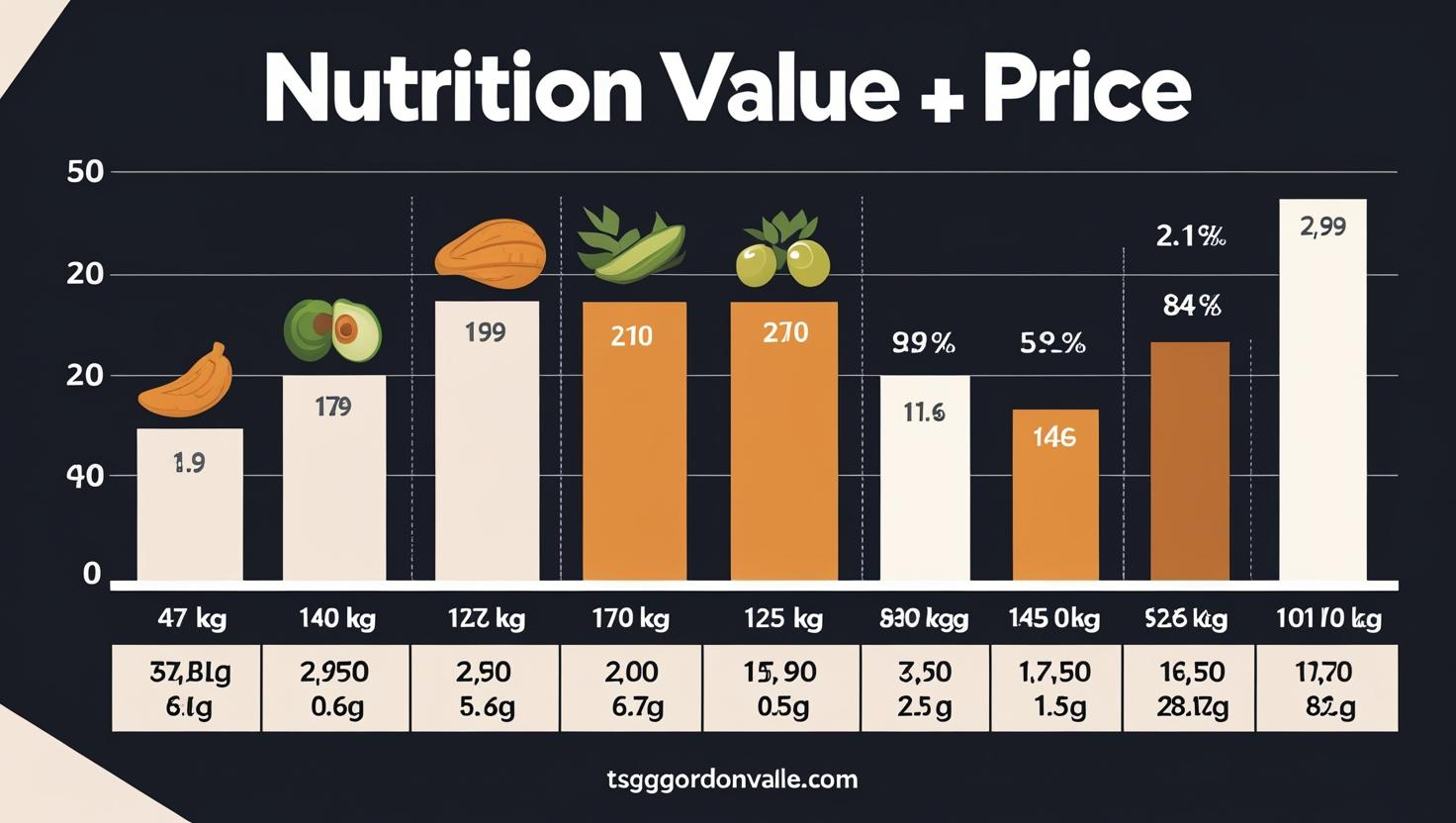
Don’t be swayed by the listed price alone. Calculate:
- Price Per 100g (or per gram): Divide the listed price by the net weight.
- Total Cost of Ownership: Factor in the purchase price, any shipping fees, and storage costs (if you need additional refrigeration or freezing).
- Packaging Options: Consider whether the product comes in single-serve pouches, family packs, or sample packs.
If you’re trying out a flavor, a sample pack of 30–50 grams priced at around 3–5 AUD is ideal. Once you’ve found a favorite, switching to a larger family pack (250–500 grams) can reduce cost by 20–30%.
7. Try Sample Packs Before Committing to Large Orders
TSG Gordonvale offers most products as sample packs. This provides the opportunity to:
- Experience a variety of nuts (almond, walnut, pecan, macadamia) available in sizes from 20g to 50g.
- Taste an assortment of freeze-dried fruits (strawberry, apple, papaya, mango, kiwi, dragon fruit).
- Sample Australian-style dried meats such as beef jerky and chicken jerky in flavors like BBQ, Teriyaki, and Pepper.
Experimenting with different samples lets you assess texture (crispiness vs. chewiness), sweetness/saltiness, and overall aftertaste, thereby helping you determine your ideal mix.
8. Leverage Customer Reviews and Expert Advice
Online reviews—whether on the product website, Facebook, or Google Reviews—are filled with valuable insights. These might include:
- Evaluations of how the dried fruit holds up over time.
- Comparisons of saltiness and crunchiness among various jerky flavors.
- Recommendations on how to store or pair these foods (e.g., with yogurt, salads, or muesli).
Additionally, TSG Gordonvale’s team of nutrition experts and food processing engineers is available for free consultations via online chat, hotline, or email. They can help adjust portion sizes, suggest mix recipes, and advise on products suitable for those with allergies or specific dietary needs.
9. Consider Subscription Options for Regular Supply
For frequent consumers, a subscription box can be a game changer:
- Monthly Subscription Boxes: Usually offer discounts in the range of 10–15%.
- Long-Term Subscriptions: Signing up for a 3–6 month plan may include free sample packs or discount coupons.
- Corporate Gifting Packages: These include personalized tags along with business or team-building gifts.
Subscriptions ensure you always have your preferred dried foods on hand, avoiding last-minute shortages. TSG Gordonvale also offers free shipping across Australia for orders above 80 AUD and provides complimentary gift packaging with personalized greeting cards.
10. Factor in Sustainability and Environmental Impact
Consumers are increasingly mindful of their environmental footprint. To support sustainable practices:
- Opt for Eco-Friendly Packaging: Choose compostable bags, kraft paper wrappings, or reusable glass jars.
- Minimize Plastic Use: Ordering larger combo packs can reduce the overall amount of packaging waste.
- Participate in Take-Back Programs: Some manufacturers offer programs to recycle or return used packaging.
TSG Gordonvale is researching biodegradable packaging solutions and encourages customers to return used packaging in exchange for discount vouchers—reducing waste and fostering loyal customer relationships.
11. Get Creative with Culinary Combinations
Dried foods are not only great for snacking—they’re also versatile ingredients for many dishes:
- DIY Muesli: Combine oats, cashews, almonds, pumpkin seeds, and dried fruits for a homemade breakfast.
- Smoothie Bowls: Blend yogurt with dried mango or freeze-dried strawberries, topping with chia and flaxseeds.
- Salads: Add a crispy twist with dried mushrooms, tossed with greens, cherry tomatoes, and a tangy vinaigrette.
- Snack Mixes: Create custom mixes with shredded beef jerky, assorted nuts, dried cheese, and your choice of spices—either savory or sweet.
- Desserts: Enhance a plate of dried apple slices with a scoop of ice cream, drizzled dark chocolate, and a sprinkle of cinnamon.
Over 20 creative recipes are available on TSG Gordonvale’s blog, complete with step-by-step video guides—from rehydrating dried fruits for fluffy baked goods to mixing various dried meats and nuts for that perfect snack combo.
Conclusion
Selecting dried foods might appear straightforward, but it demands thoughtful consideration and a bit of research. From defining your personal use, understanding drying methods, ensuring certified quality, scrutinizing labels and packaging, comparing nutritional values, sampling before bulk purchases, leveraging expert advice, considering subscription plans, to embracing eco-friendly practices and culinary creativity—each step plays a vital role in helping you make the best choice.
Visit TSG Gordonvale today to explore a full range of premium dried foods, take advantage of free sample packs, and receive personalized advice from their team of nutrition specialists. Your flavorful, nutritious culinary adventure awaits!