




Making a rich, moist Christmas cake starts long before the cake goes into the oven. The real flavor is built when you properly prepare and soak the dried fruit for Christmas cake. Choosing the right fruit, using the right liquid, and soaking it for the right amount of time will directly affect the cake’s aroma, texture, and depth of taste.
In this step-by-step guide, you will learn how to select the best dried fruit for Christmas cake, which liquids work best for soaking, how long to soak for maximum flavor, and the exact process to do it correctly at home. This is the foundation for a traditional Christmas cake that stays soft, fragrant, and full of natural sweetness.
I. Best Dried Fruit for Soaking in Christmas Cake
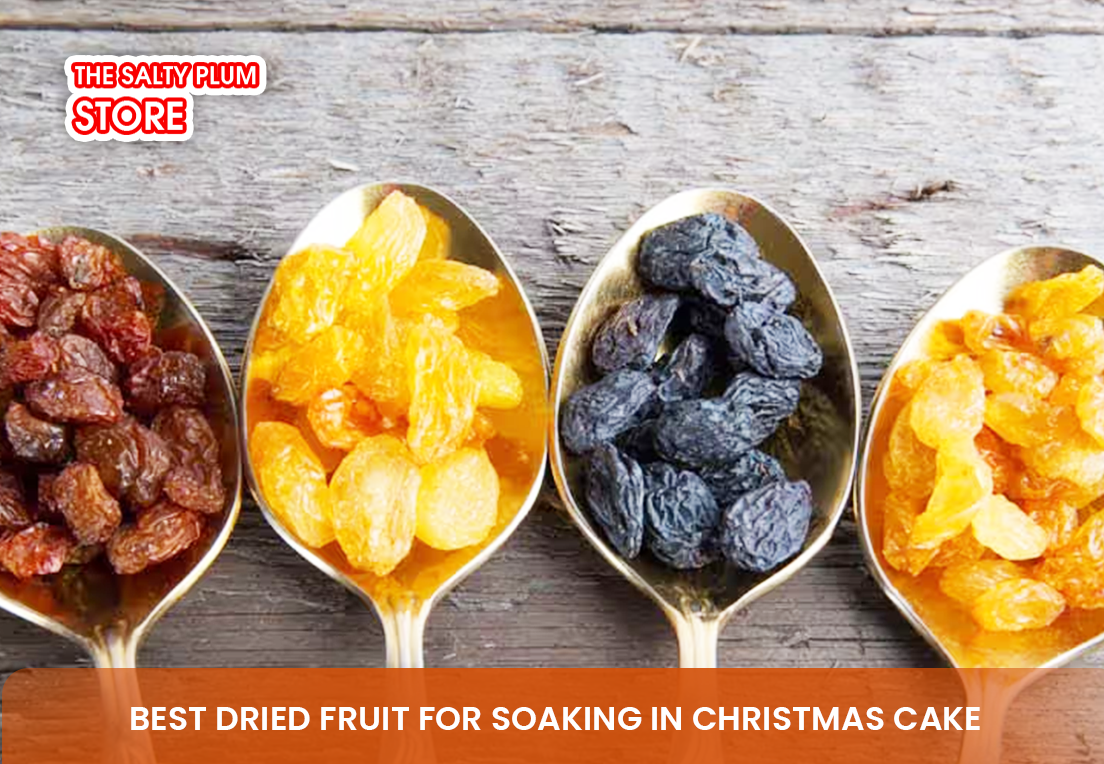
Choosing the right dried fruit for Christmas cake is the first step to building flavor. Each type of fruit brings its own texture and sweetness, so mixing them well makes the cake richer.
- Raisins and sultanas: Classic choices that give natural sweetness and chewiness.
- Dried prunes: They add depth with a soft texture and a hint of caramel taste.
- Dried mango: A tropical touch that balances the heavier fruits with bright, tangy notes.
- Dried olive: Less common but unique, offering a savory edge that pairs surprisingly well with sweet spices.
- Currants and cranberries: Small but powerful, they bring bursts of tartness.
- Cherries and apricots: Colorful and juicy, perfect for variety in both taste and look.
Mixing these fruits ensures your dried fruit for Christmas cake is not only flavorful but also visually appealing. The combination of dried prunes, dried mango, and dried olive with traditional fruits creates a cake that feels festive and memorable.
II. Best Liquids to Soak Dried Fruit
The liquid you choose transforms your dried fruit for Christmas cake from ordinary to extraordinary. I've soaked fruit in everything from cheap brandy to fresh orange juice, and the difference is huge.
1. The Classic Choice: Brandy

Brandy is traditional for good reason. It penetrates the fruit deeply, adds warmth, and helps preserve your cake for months. I use a mid-range brandy, nothing fancy. The expensive stuff won't make your fruit taste better once it's baked.
Pour enough to just cover your fruit. It should look like the fruit is taking a bath, not drowning in a pool. After 24 hours, the fruit will have absorbed most of it.
2. Rum: Dark vs Light
- Dark rum gives you that deep, molasses-rich flavor. It pairs beautifully with prunes and raisins. If you want a cake that tastes rich and almost toffee-like, this is your pick.
- Light rum works better if you're using dried mango or lighter fruits. It won't overpower the more delicate flavors.
I personally prefer dark rum. It creates a more complex cake that ages well.
3. Whisky for Depth
Whisky brings a smoky, peaty character that's not for everyone. But if you love bold flavors, try soaking your dried fruit for Christmas cake in a decent blended whisky.
Skip the single malt. You're not drinking it neat, you're baking with it. A standard blend does the job perfectly.
4. Sweet Wines and Fortified Options
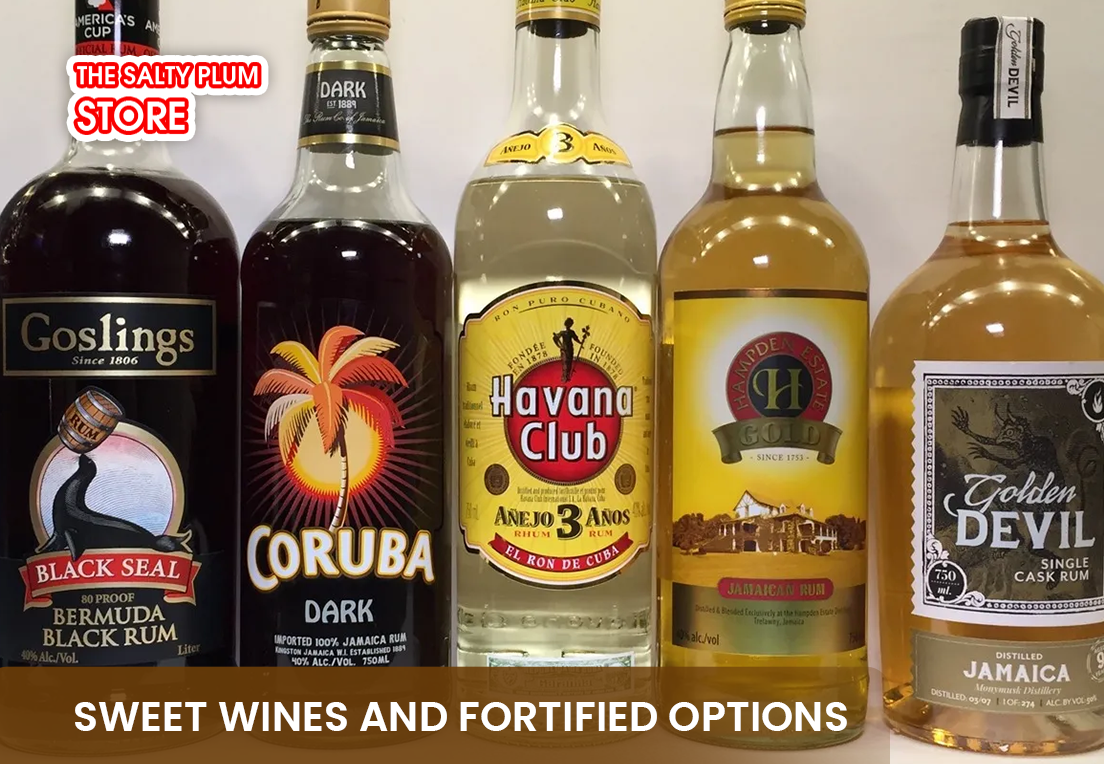
- Sherry is underrated. A sweet sherry like Pedro Ximénez adds raisin-like sweetness and nuttiness. Your fruit plumps up beautifully and the flavor is sophisticated without being boozy.
- Port works similarly. Ruby port gives you fruitiness, tawny port adds caramel notes. Both are excellent if you want something less spirited than brandy.
- Marsala is my Italian friend's secret. It's sweet, slightly caramelized, and makes the fruit incredibly tender.
5. Non-Alcoholic Alternatives
Not everyone wants alcohol in their cake. Here's what actually works:
- Fresh orange juice is bright and sweet. Mix it with a splash of lemon juice to balance the sugar. Your fruit will be plump but won't have that preserved quality alcohol gives.
- Apple juice is mild and lets the fruit flavors shine. I use cloudy apple juice for better results.
- Strong black tea might sound strange, but it works. Brew a pot of English breakfast tea, let it cool, and use it to soak your fruit. It adds tannins that mimic some of the complexity alcohol brings.
- Grape juice creates sweetness similar to port without the alcohol content.
6. My Tested Combinations
- For traditional Christmas cake, I stick with brandy. It's foolproof.
- For something different, I mix 50% dark rum and 50% orange juice. You get the boozy depth plus fresh citrus brightness.
- If going alcohol-free, combine 70% apple juice and 30% strong tea. Add a tablespoon of honey. This creates complexity you won't get from juice alone.
One trick I learned: warm your liquid slightly before pouring it over the fruit. Not hot, just lukewarm. The fruit absorbs it faster and more evenly.
Read more: Best Dried Fruit for Drinks: Tea, Detox Water, and Cocktails
III. How Long Should You Soak Dried Fruit for Christmas Cake
The soaking time changes everything about your final cake. Here's what actually happens at each stage.
1. The Minimum: 24 Hours
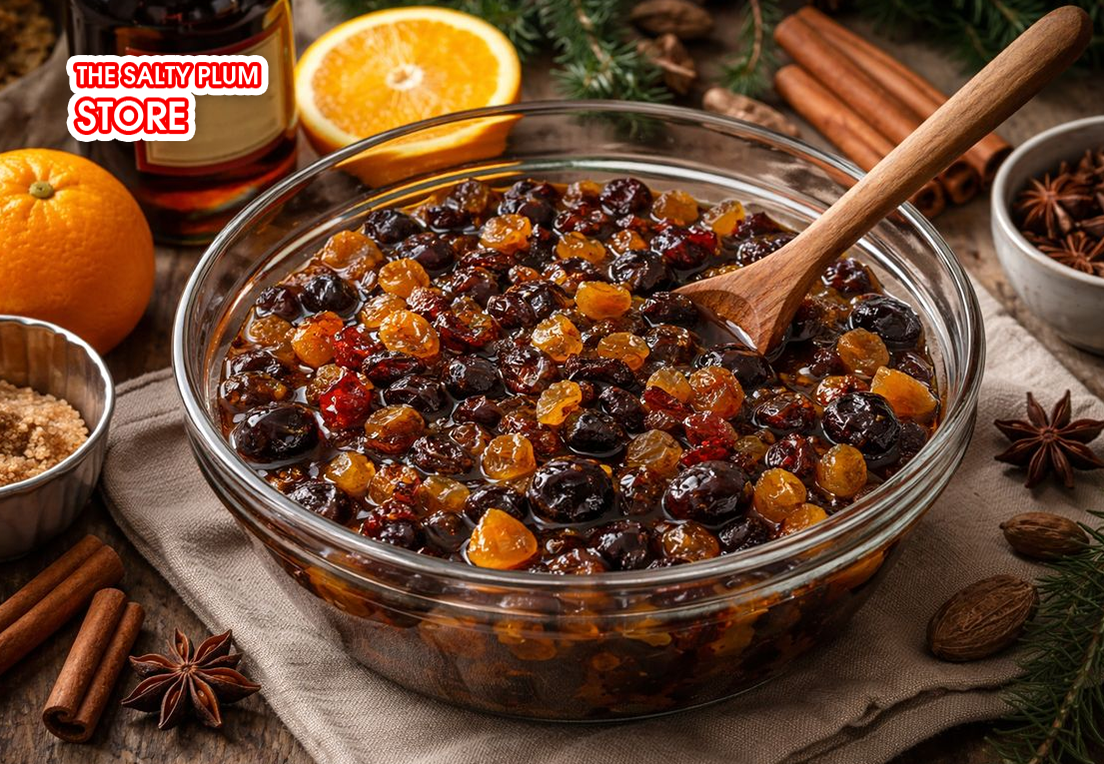
This is your emergency option. The dried fruit for Christmas cake will soften and absorb most of the liquid, but the flavors stay separate. You taste fruit, then liquid, not a blended richness.
I only do this when I've forgotten to plan ahead. The cake turns out fine, just not memorable.
2. The Sweet Spot: 5-7 Days
This is where I aim every time. By day five, the fruit has absorbed the liquid completely and the flavors have married together. Press a piece between your fingers and it should feel plump but still hold its shape.
Stir the bowl every couple of days to keep everything soaking evenly. If it looks dry, add a splash more liquid.
3. The Traditional Method: 2-4 Weeks
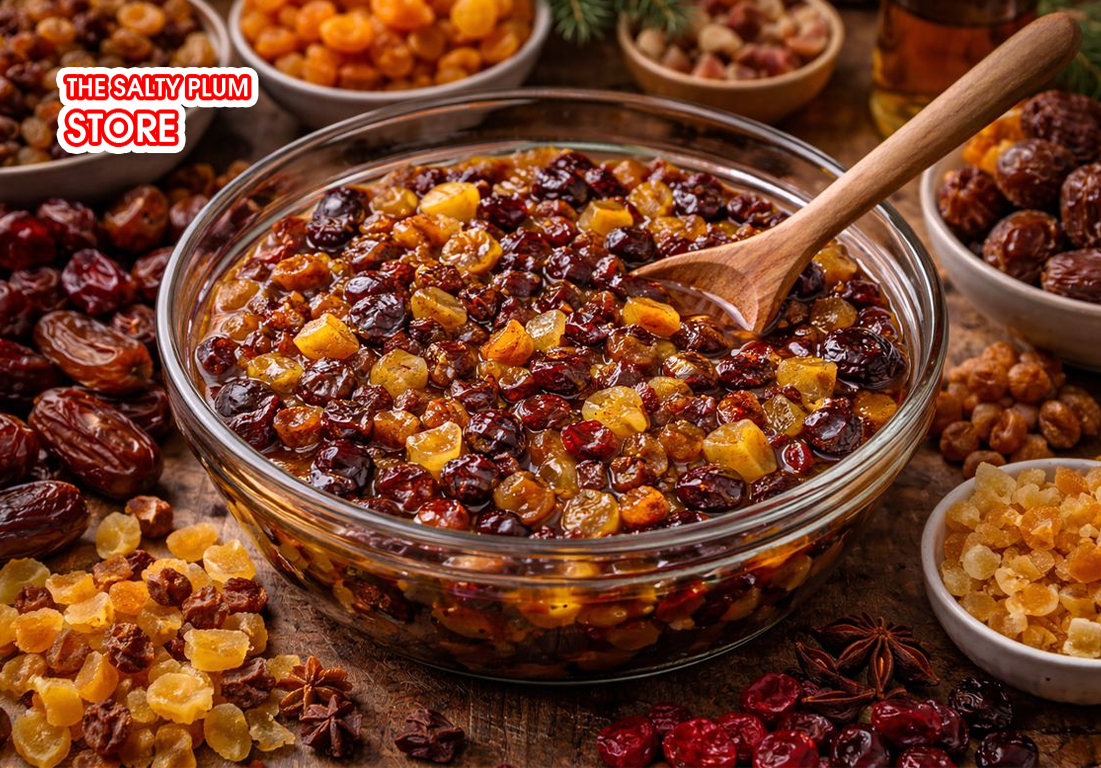
Old recipes call for weeks of soaking, and there's real science behind it. After two weeks, the fruit darkens, the flavors deepen, and everything mellows into something complex.
My grandmother started in October for a December bake. The difference is noticeable, especially if you're using brandy or rum. The alcohol bite softens while the richness intensifies. Check every few days. If the liquid's fully absorbed, add another 2-3 tablespoons to keep the fruit moist.
4. Can You Soak Too Long?
After 6 weeks, the fruit breaks down into mush. You lose those distinct pieces and end up with jam instead. Past 8 weeks, even in alcohol, the fruit can start fermenting if not stored right. You'll smell it if this happens.
IV. Step-by-Step: How to Soak Dried Fruit for Christmas Cake
Follow these exact steps and your dried fruit for Christmas cake will turn out perfect every time.
Step 1: Prep Your Fruit
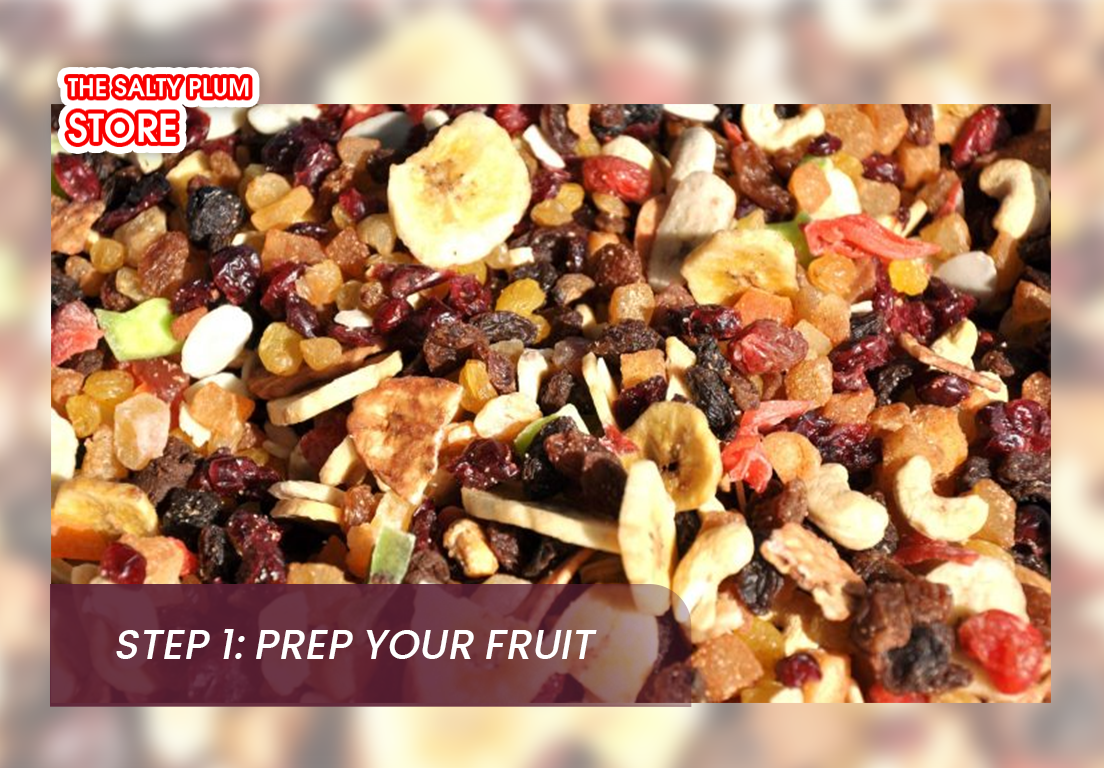
Check your dried fruit for stems or pits. Chop anything larger than a raisin into similar-sized pieces. This means prunes, mango, figs, and glacé cherries all need cutting. Even soaking starts with even-sized fruit.
Step 2: Choose Your Container
Use a glass or plastic bowl that's bigger than you think you need. The fruit swells by 30-40% during soaking. Make sure you have a tight-fitting lid or plastic wrap to cover it.
Step 3: Add Your Liquid
Pour your chosen liquid over the fruit until it just covers everything. For 500g of dried fruit for Christmas cake, start with 200ml of liquid.
The fruit should look like it's taking a shallow bath, not drowning.
Step 4: Mix Thoroughly
Stir everything with a wooden spoon. Push down any fruit floating on top. You want everything submerged at the start.
Step 5: Cover and Store
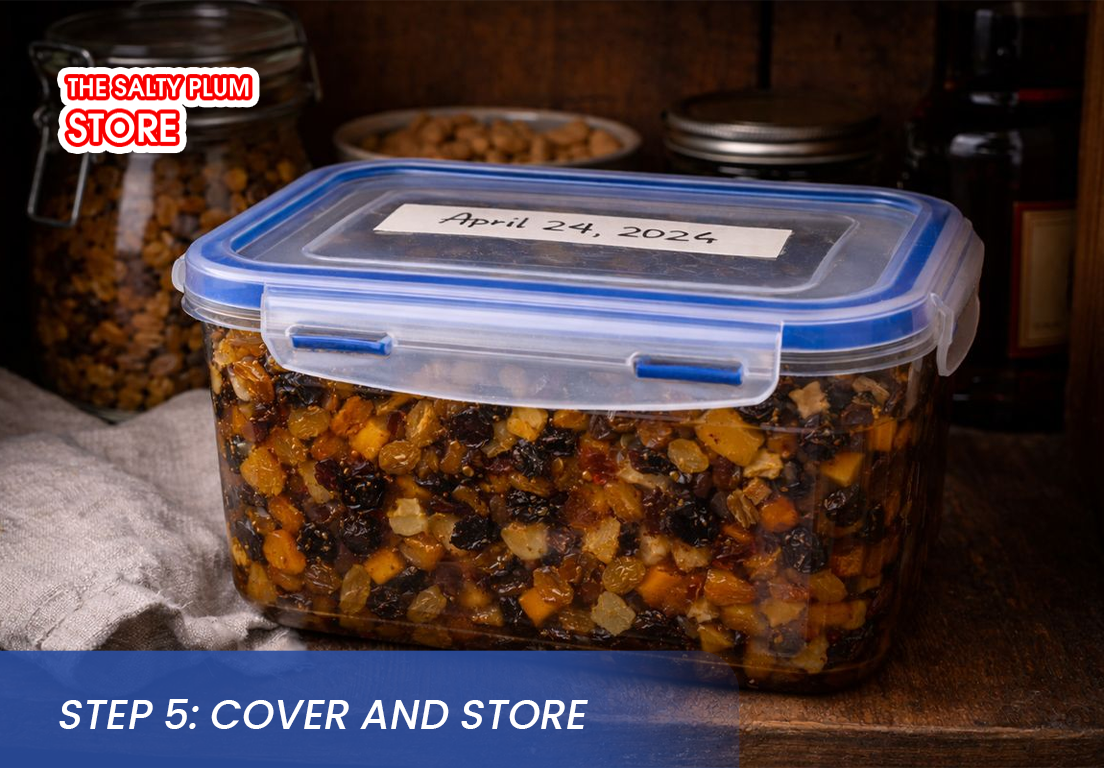
Seal the container tightly and place it somewhere cool and dark. A pantry shelf is perfect. Write today's date on the container so you remember when you started.
Step 6: Stir Daily
Open the container once a day and give everything a good stir. This takes 10 seconds but stops the top layer from drying out. The fruit on top needs to rotate to the bottom regularly for even soaking.
Step 7: Top Up If Needed
After 3-4 days, check the liquid level. If the fruit looks dry, add 2-3 tablespoons more of your soaking liquid. You want moist, glistening fruit, not a swimming pool.
Step 8: Test for Readiness
Press a piece between your fingers. It should feel plump and soft but still hold its shape. Taste one. The fruit and liquid should taste blended together, not separate.
Step 9: Drain Before Using
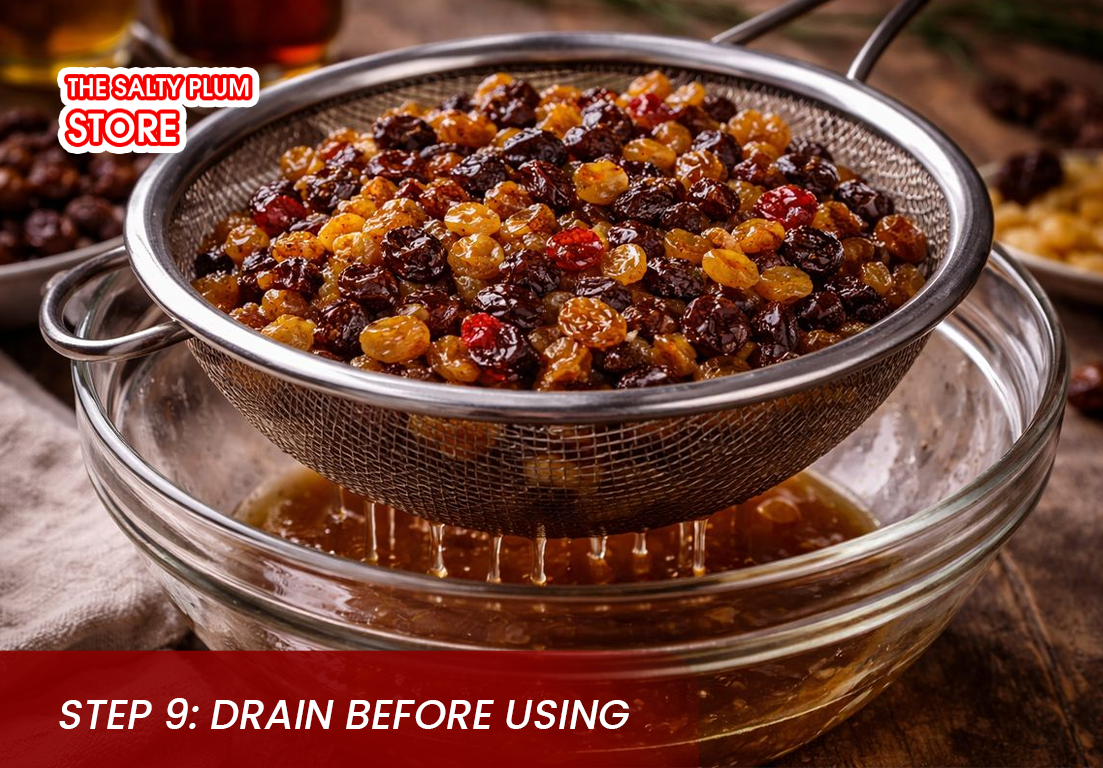
Right before baking, drain excess liquid through a sieve for 5 minutes. Don't squeeze the fruit. Save that leftover liquid. Add a tablespoon to your cake batter for extra flavor. The fruit should be moist but not dripping when it goes into your batter.
V. Conclusion
Soaking dried fruit for Christmas cake isn't complicated, but it does require planning. The difference between a dry, forgettable cake and one that people ask for the recipe? It all happens in these few simple steps before you even turn on your oven.
If you're looking for premium dried fruit for Christmas cake, check out The Salty Plum Store. They stock everything from classic raisins to dried mango and prunes, all perfect for soaking. Quality fruit makes quality cake, and starting with the best ingredients means you're already halfway to success.
Related Article: