




Dried mango is a beloved snack around the world, prized for its naturally sweet flavor and chewy texture. Its convenience, long shelf life, and portability make it a favorite choice for people with busy lifestyles, whether you’re looking for a quick on-the-go snack, a lunchbox addition, or a flavorful topping for yogurt, oatmeal, or smoothie bowls. Despite its popularity, many health-conscious individuals wonder: is it really healthy to eat dried mango every day? How does it fit into a balanced diet, and what are the actual benefits of dried mango?
In this article, we’ll take an in-depth look at the nutritional value of dried mango, covering its calories, natural sugars, fiber, vitamins, and essential minerals. We’ll also explore the main health benefits of dried mango. Additionally, we’ll share practical tips on how to safely include dried mango in your daily diet, allowing you to enjoy its delicious taste while maximizing its nutritional benefits

I. Nutritional Profile of Dried Mango
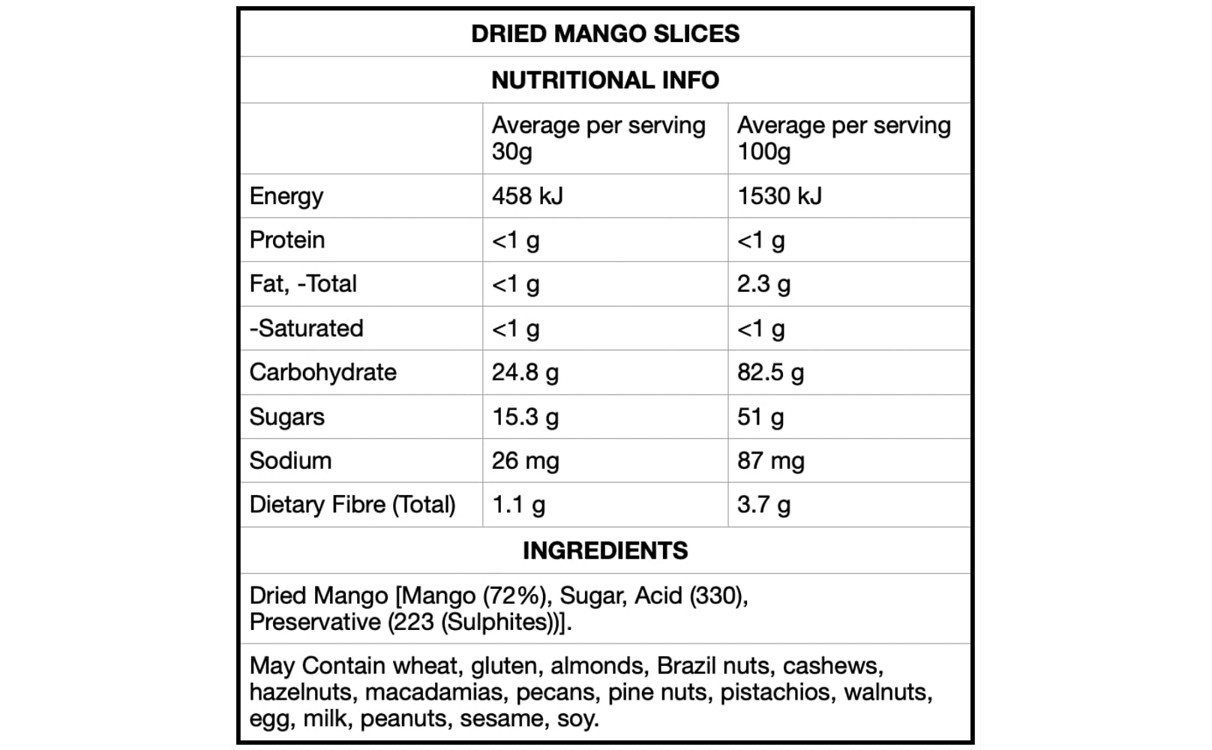
1. Calorie Content
Dried mango is calorie-dense due to the removal of water during the drying process, which concentrates both sugars and carbohydrates. For example, a 40-gram serving of dried mango contains approximately 140 calories, compared to fresh mango, which has about 60 calories per 100 grams. While this makes dried mango a more energy-packed snack, it’s important to keep portion sizes in mind.
2. Sugar Content
Dried mango naturally contains a high amount of sugar, roughly 31 grams per 100 grams. The drying process concentrates these sugars, making the fruit taste sweeter than its fresh counterpart. Although these sugars are natural, moderation is key to preventing excessive sugar intake.
3. Fiber Content
A 40 gram serving of dried mango provides about 2 grams of dietary fiber. This fiber helps you feel full longer and supports healthy digestion, making dried mango a satisfying snack option.
4. Vitamins and Minerals
This dried fruit is rich in key vitamins and minerals, including:
- Vitamin A, vitamin C. vitamin E, vitamin K
- Folate
- Potassium
- Magnesium
These nutrients play vital roles in maintaining overall health, supporting immune function, bone health, and energy metabolism.
5. Antioxidants & Plant Compounds
Dried mango contains various antioxidants and beneficial plant compounds, such as:
- Mangiferin
- Catechins
- Anthocyanins
These compounds help protect cells from oxidative stress, reduce inflammation, and promote overall wellness.
II. Health Benefits of Dried Mango
1. Boosts Immunity
Dried mango is naturally rich in vitamins C and A, along with a variety of essential minerals that play a vital role in supporting the immune system. These nutrients stimulate the production of white blood cells and improve their ability to fight off infections. Including dried mango in your diet can help the body defend itself against colds, flu, and other common illnesses while promoting overall resilience.
2. Supports Digestive Health
Thanks to its dietary fiber and natural enzymes, dried mango is an excellent food for maintaining a healthy digestive system. Fiber helps keep the digestive tract moving smoothly, preventing constipation and promoting regular bowel movements. When eaten in moderation, dried mango contributes to a balanced gut environment, supporting both comfort and long-term digestive wellness.
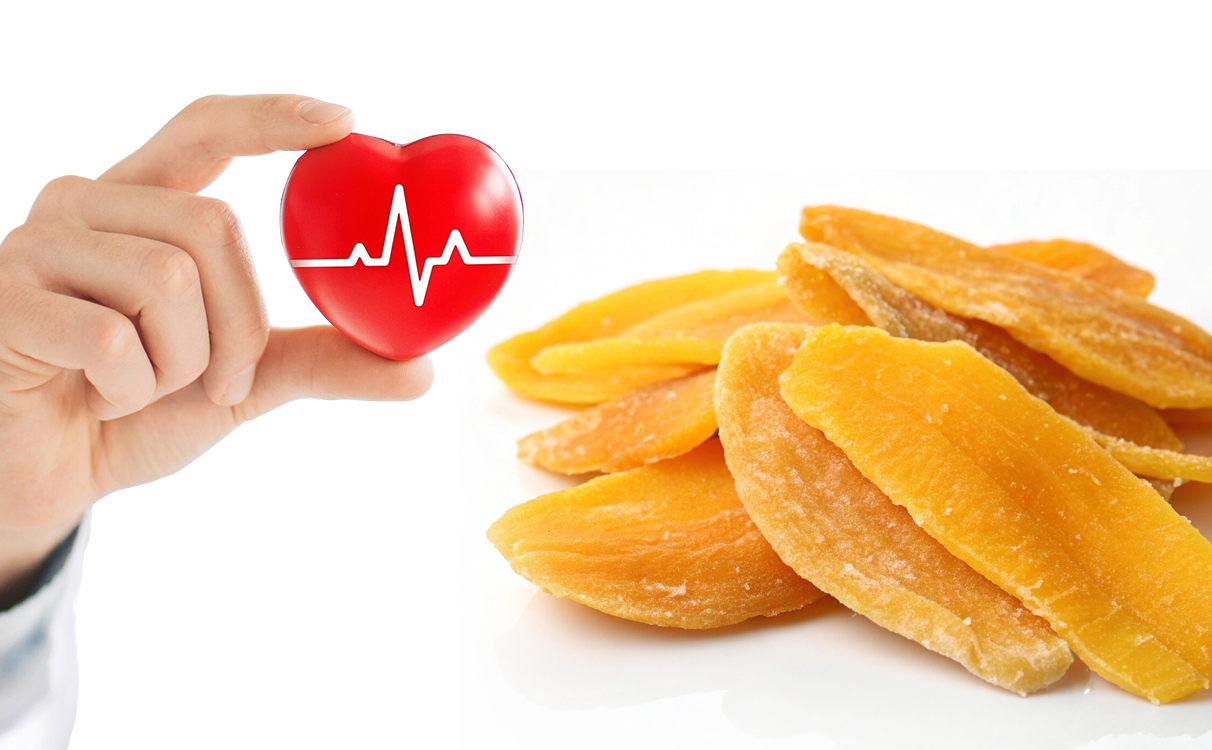
3. Promotes Heart Health
Dried mango provides valuable minerals such as potassium and magnesium, both of which are key for cardiovascular health. Potassium helps regulate blood pressure by balancing sodium levels, while magnesium supports healthy muscle and nerve function—including the heart muscle itself. Together, these nutrients encourage proper circulation and reduce strain on the heart, contributing to long-term cardiovascular wellness.
4. Supports Weight Management (in moderation)
Although dried mango is relatively calorie-dense, it contains a good amount of fiber, which helps increase satiety and keeps hunger at bay. Eating small portions can satisfy sweet cravings while preventing overeating. By controlling portion sizes, dried mango can fit into a weight management plan, providing both nutrition and enjoyment without excessive calories.
5. Protects Eye Health
Packed with vitamin A and carotenoids, dried mango is beneficial for maintaining clear vision and protecting the eyes from oxidative damage. These nutrients support healthy retinal function and may reduce the risk of age-related eye conditions. Moderate, regular consumption can be a simple way to nourish your eyes and preserve vision over time.
6. Rich in Antioxidants – Potential Anti-Cancer Benefits
Dried mango is loaded with antioxidants, particularly polyphenols, which help protect the body’s cells from oxidative stress. Oxidative damage has been linked to chronic illnesses and premature aging, so regularly consuming antioxidant-rich foods can play a protective role. While more research is needed, the compounds in dried mango may contribute to lowering the risk of certain cancers and improving overall cellular health.
7. Mood and Energy Boost
The natural sugars and carbohydrates found in dried mango provide a quick and steady energy boost, making it a great snack before workouts or during busy days. Beyond energy, its natural sweetness and nutrient content can lift your mood, reduce fatigue, and support mental focus. Enjoying dried mango in moderation can help you stay energized, alert, and feeling good throughout the day.
Read more: Dried Mango Nutrition: Health Benefits, Smart Tips & Delicious Ways to Enjoy It
III. Tips for Healthy Daily Consumption
1. Portion Control
To enjoy dried mango without overloading on calories or sugar, it’s essential to stick to a moderate serving size. A recommended portion is about 1/4 cup (roughly 40 grams) per day. Pre-portioning your dried mango into small containers or snack bags can help prevent mindless overeating and keep your daily calorie intake in check.
2. Pairing with Protein or Healthy Fats
Pairing dried mango with a source of protein or healthy fats—such as nuts, seeds, Greek yogurt, or nut butter—can slow down sugar absorption, help maintain stable blood sugar levels, and keep you feeling fuller for longer. This combination turns a simple snack into a more balanced and satisfying mini-meal.
3. Timing
The timing of consumption can affect how your body utilizes the natural sugars and energy from dried mango. Eating it in the morning or as a pre-workout snack allows you to use its carbohydrates for energy throughout the day or during exercise. Avoid consuming large portions late at night to prevent unnecessary calorie intake.
4. Avoid Added Sugars
When choosing dried mango, always check the label and select products that are 100% natural, with no added sugars or sweeteners. Natural dried mango retains its vitamins, minerals, and fiber, providing health benefits without causing a rapid spike in blood sugar.
5. Variety in Diet
Incorporating dried mango into a varied diet is key to maximizing its health benefits. Mix it with fresh fruits, vegetables, whole grains, or protein sources. This approach not only ensures you receive a broad spectrum of vitamins, minerals, and antioxidants but also keeps your meals enjoyable and diverse, preventing diet fatigue.
IV. Conclusion
In summary, dried mango offers numerous health benefits, but it should be consumed in moderation due to its calorie and sugar content. Key advantages include boosting immunity, supporting digestive health, promoting heart health, and providing a rich source of antioxidants.
By enjoying dried mango daily in appropriate portions, you can savor its sweet and chewy flavor while reaping its nutritional benefits. Experiment with creative ways to incorporate dried mango into your meals, such as adding it to smoothies, salads, yogurt, or oatmeal, to make your diet both healthy and delicious.