




Ever popped a salty plum into your mouth and wondered—what exactly am I eating? That intense mix of salty, sour, and sweet is undeniably addictive, but what gives salty plums their signature flavor and punch? Are they made with natural ingredients, or is there more to them than meets the eye?
Whether you’re a lifelong fan or a curious newcomer, understanding what goes into your favorite snack can be both surprising and enlightening. From preserved fruits to unique flavor enhancers, the ingredients in salty plums reveal a lot about cultural traditions, food science, and the fine line between healthy and not-so-healthy snacking.
Let’s uncover the truth behind salty plums' ingredients and find out what makes them so irresistible. Curious? Let’s dive into the full story with The Salty Plum Store.
I. What Are Salty Plums?
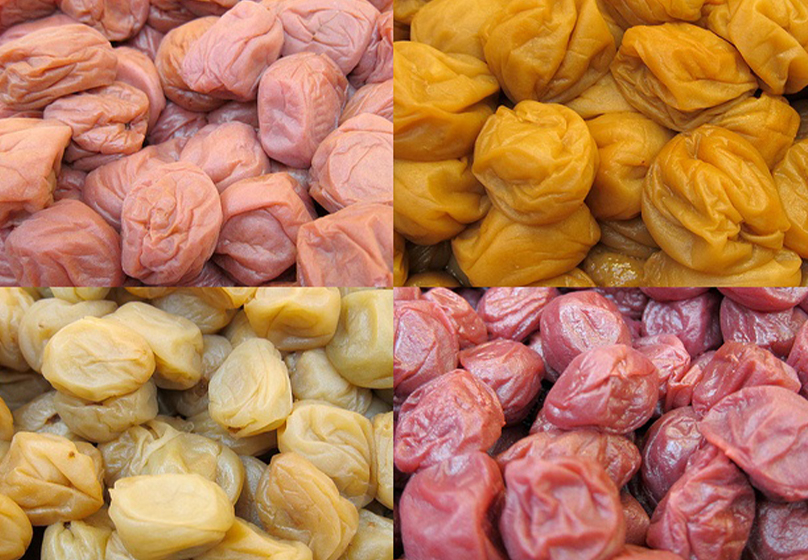
Salty plums, also known in some cultures as “li hing mui” or “umeboshi,” are preserved plums that pack a punch of flavors: salty, sour, sweet, and sometimes even spicy. Originating from various parts of Asia, salty plums have become a beloved treat in many countries, from Japan and China to Australia and Hawaii. But despite their popularity, many people still have questions about salty plums ingredients and how they’re made.
Are salty plums just pickled fruit? Or is there a deeper, more complex process behind their unique taste and texture? To fully appreciate the magic of this snack, we first need to explore what goes into making it.
II. Core Salty Plums Ingredients
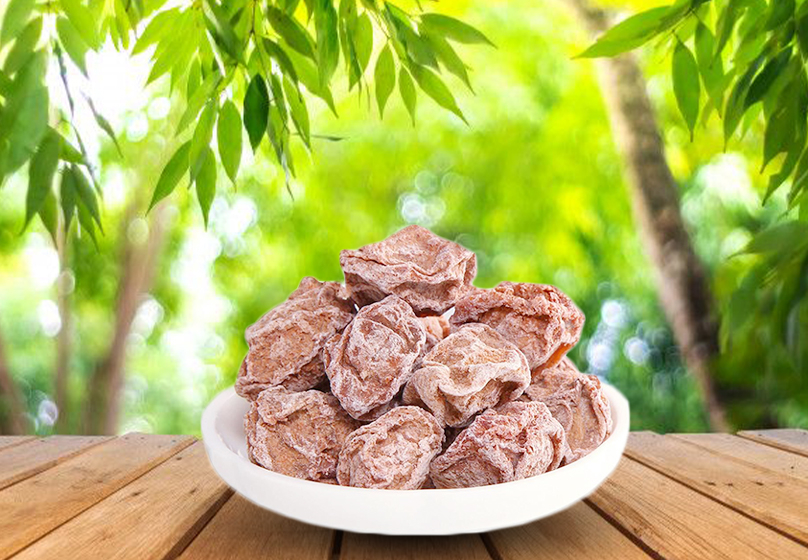
The basic salty plums ingredients may seem simple at first glance, but there’s more going on beneath the surface than you might expect. Here are the key components that make up most traditional and modern variations of this snack:
- Dried Plums (or Prunes): The main ingredient, of course. These are typically sour plums that have been dried and preserved, forming the chewy, tangy base of the snack.
- Salt: A defining element. Salt not only gives salty plums their signature taste but also acts as a natural preservative.
- Sugar: While salty plums are known for their strong sour and salty notes, many varieties are balanced with sugar to soften the intensity and add a layer of sweetness.
- Licorice Extract: Common in many Asian-style salty plums, this adds a slightly herbal, complex flavor.
- Food Coloring: Some commercial versions use artificial coloring to give the plums a more vibrant or traditional appearance.
- Citric Acid or Vinegar: To enhance tartness and preservation, giving that lip-puckering kick that salty plum lovers crave.
- Spices (optional): Some types include chili powder or five-spice for added depth and heat.
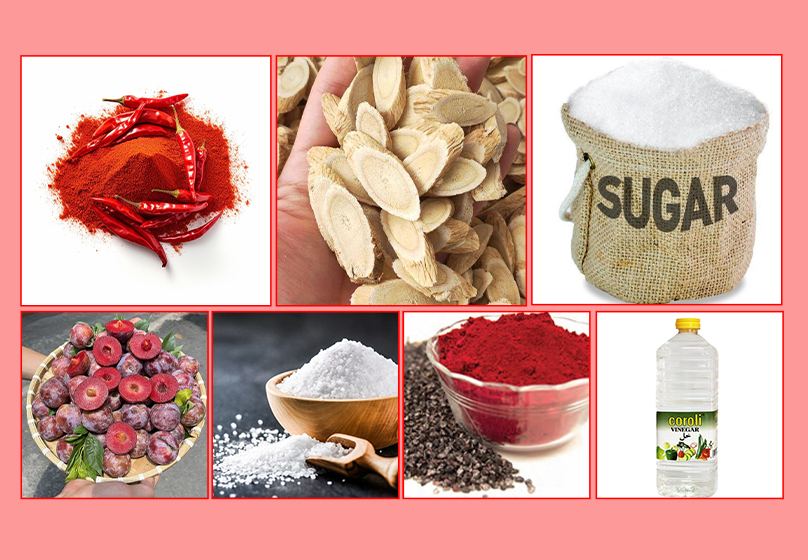
Depending on the brand or region, salty plums ingredients can vary slightly—but these are the most commonly found in both traditional recipes and packaged products.
Curious why these ingredients have captured hearts around the world? You might enjoy our deep dive into What Are Salty Plums, and Why Do People Love Them?
Or if you’re ready to try making your batch at home, check out our step-by-step guide on How to Make Salted Plums using traditional and modern methods.
III. Variations in Ingredients by Region
While the core salty plums ingredients remain fairly consistent—dried plums, salt, sugar, and souring agents—each region adds its own twist to this beloved snack. These subtle (and sometimes bold) differences in salty plums ingredients are a reflection of cultural preferences, climate, and local culinary traditions.
- China: Traditional Chinese versions often use licorice root and star anise as part of the salty plums ingredients, giving them a medicinal and herbal edge. Some also include dried orange peel or sweet osmanthus flowers for added fragrance.
- Japan: Known as umeboshi, Japanese salty plums are made with just a few ingredients, mainly ume (a type of sour plum), salt, and red shiso leaves for color and aroma. These salty plums ingredients focus on minimalism and purity of flavor.
- Vietnam & Southeast Asia: Variations here might include tamarind and additional sugar. The salty plums ingredients used are often bolder and more diverse to cater to local taste buds.
Each version of salty plums ingredients tells a story, not just about flavor, but about culture, identity, and nostalgia. So, whether you're nibbling on a tangy red plum in Honolulu or enjoying a salty-sour umeboshi in Tokyo, you're tasting a distinct local creation.
IV. Are Salty Plums Healthy?
It’s a common question: Are salty plums good or bad for your health? The answer depends largely on the salty plums ingredients used, whether they’re natural or heavily processed.
1. Potential Health Benefits
When made with minimal and traditional salty plum ingredients, these snacks can offer some health perks:
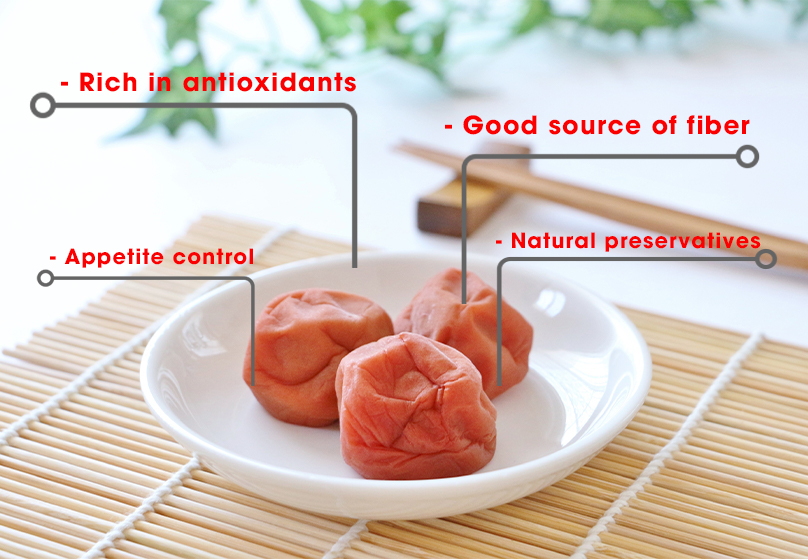
- Rich in antioxidants: Dried plums are known for their antioxidant content, which may help reduce inflammation.
- Good source of fiber: This supports digestion and may help with satiety.
- Natural preservatives: Salt and vinegar used in traditional salty plums ingredients help preserve without the need for chemicals.
- Appetite control: The intense salty-sour flavor can reduce cravings and promote mindful snacking.
2. What to Watch Out For
Some modern or mass-produced products use salty plums ingredients that may not be so healthy:
- High sodium: Too much salt can raise blood pressure or affect kidney health if eaten in excess.
- Added sugar: Some versions contain large amounts of sugar to balance the sourness, which can be harmful if overconsumed.
3. So, Are Salty Plums Healthy?
They can be, as long as you pay attention to the salty plums ingredients listed on the label. Look for products that:
- Use natural ingredients (dried plums, salt, vinegar, licorice root)
- Avoid artificial additives or excess sugar
- Clearly label allergens and preservatives
V. Final Thoughts
Salty plums are more than just a nostalgic treat; they’re a flavorful journey shaped by culture, tradition, and of course, ingredients. Whether you're drawn to their tangy punch, their chewy texture, or the childhood memories they stir up, knowing what's inside your snack can help you enjoy it even more.
By understanding the salty plums ingredients, from natural plums and salt to sugar, spices, and beyond, you’re better equipped to choose a version that fits your taste and your lifestyle.