




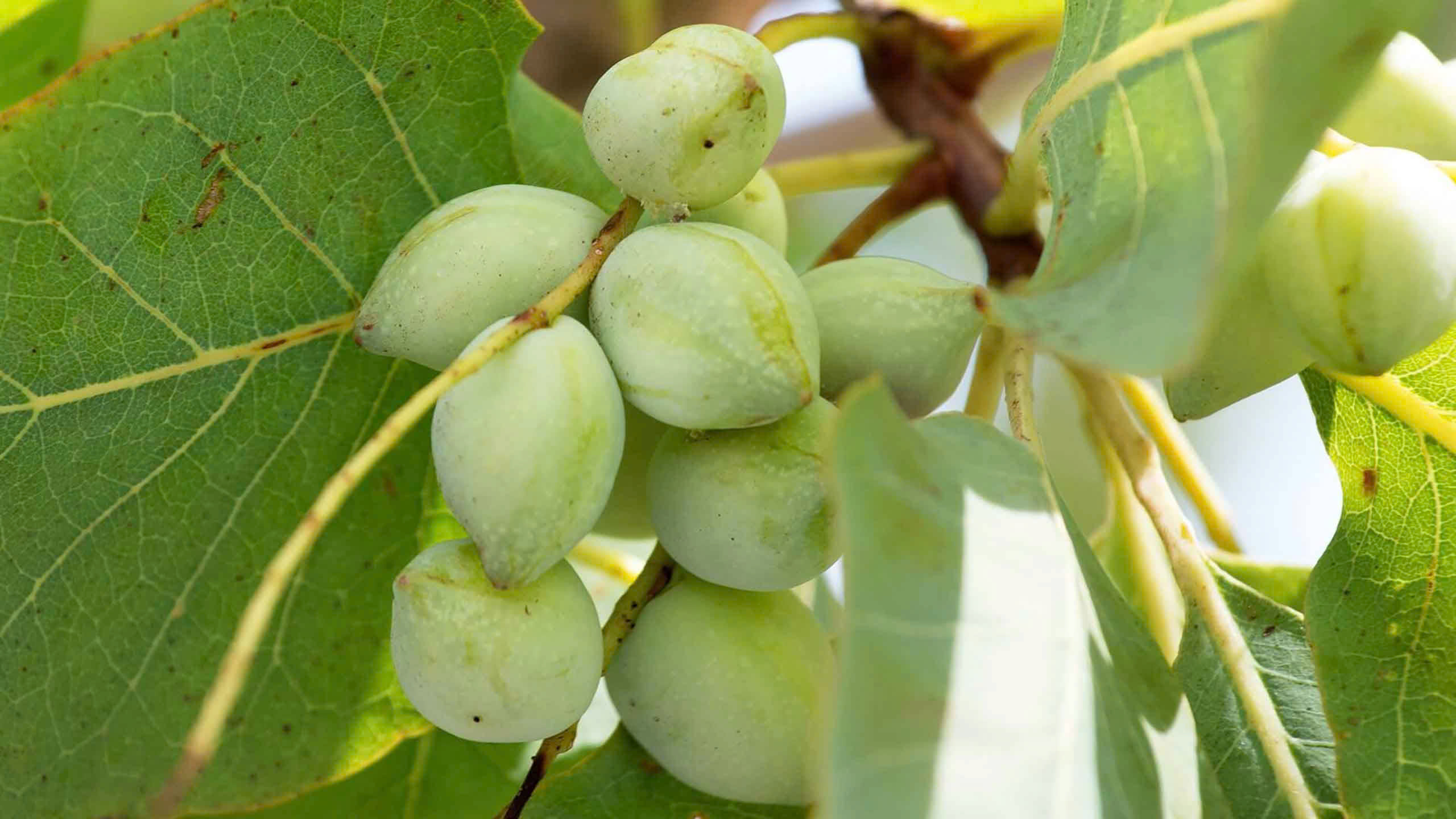
Kakadu Plum, scientifically known as Terminalia ferdinandiana, is an extraordinary native Australian fruit with a long history and remarkable health benefits. This small green fruit, often called the world's richest natural source of vitamin C, has been a vital part of Indigenous Australian culture for thousands of years. With its powerful antioxidant properties, Kakadu Plum is now gaining global recognition as a superfood. In this article, we will explore its origins, nutritional profile, health benefits, and various uses.
The Discovery and History of Kakadu Plum
The Kakadu Plum tree is indigenous to Northern Australia, particularly in the regions of Western Australia and the Northern Territory. Indigenous communities have traditionally used it for both nutritional and medicinal purposes. The fruit was first documented by European explorers in the 19th century, but it had been an essential part of Aboriginal diets and traditional medicine for centuries before that. Indigenous Australians utilized Kakadu Plum to treat colds, flu, and skin infections due to its high vitamin C and antimicrobial properties.
Nutritional Profile of Kakadu Plum
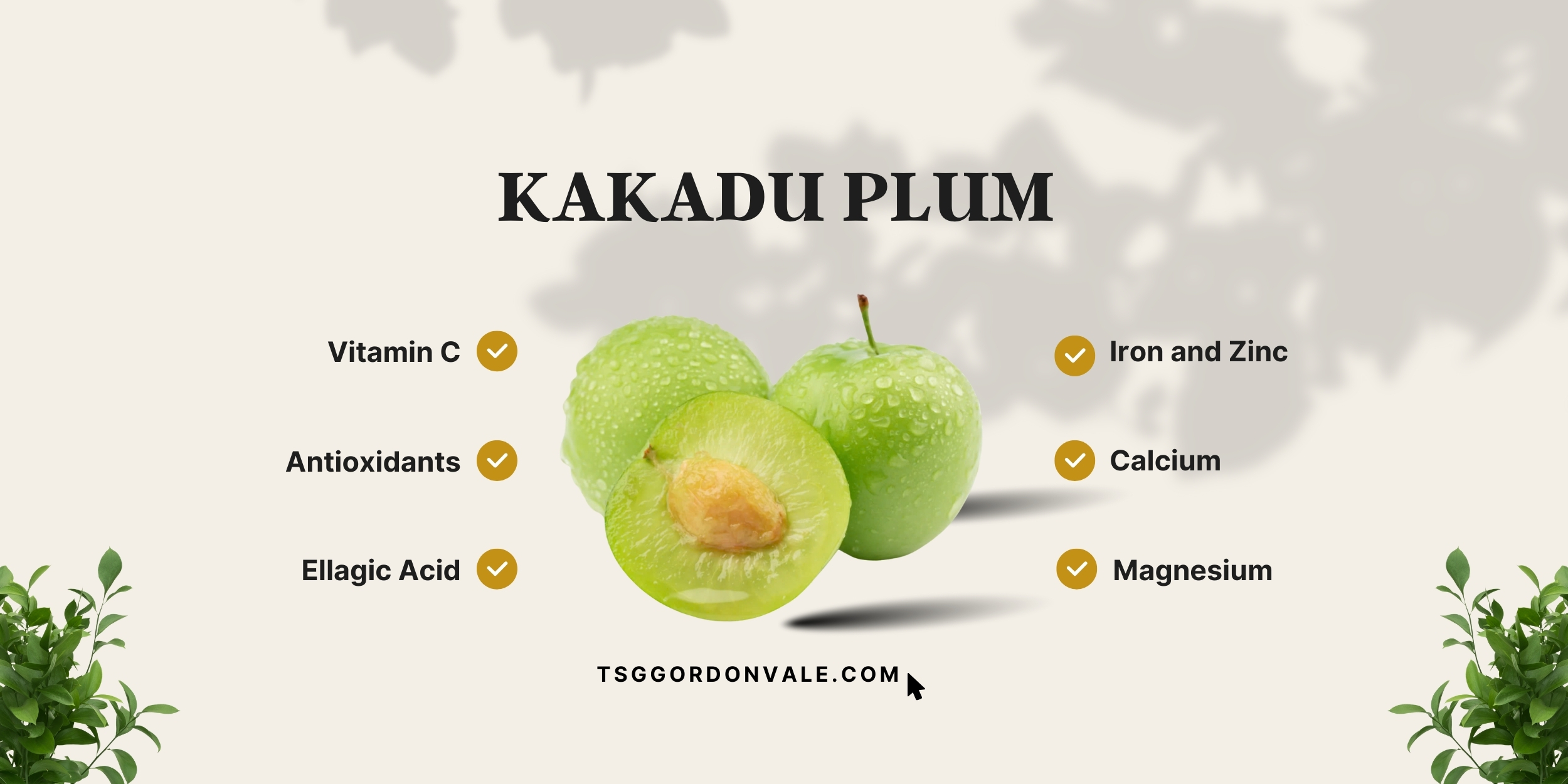
Kakadu Plum is often referred to as a “superfruit” due to its extraordinary nutrient density. Here are some of its key nutritional components:
-
Vitamin C: Kakadu Plum contains up to 100 times more vitamin C than oranges, making it one of the richest natural sources of this essential vitamin.
-
Antioxidants: The fruit is packed with polyphenols and flavonoids, which help neutralize free radicals and protect against oxidative stress.
-
Ellagic Acid: This compound has anti-inflammatory and anticancer properties, contributing to overall health and longevity.
-
Iron and Zinc: Important minerals that support the immune system and overall well-being.
-
Magnesium and Calcium: Essential for bone health and muscle function.
Health Benefits of Kakadu Plum
-
Boosts Immune System: With an exceptionally high vitamin C content, Kakadu Plum enhances immune function, helping to prevent and fight infections, colds, and flu.
-
Powerful Antioxidant Properties: The antioxidants in Kakadu Plum protect cells from oxidative damage, reducing the risk of chronic diseases such as heart disease and cancer.
-
Promotes Skin Health: Kakadu Plum is a popular ingredient in skincare products due to its ability to promote collagen production, reduce pigmentation, and enhance skin radiance. It helps combat aging signs and improves skin elasticity.
-
Supports Gut Health: The fruit contains natural prebiotics that nourish beneficial gut bacteria, aiding digestion and improving gut health.
-
Anti-Inflammatory and Antimicrobial Benefits: Indigenous Australians have long used Kakadu Plum to treat wounds and infections. Its natural antibacterial and anti-inflammatory properties help accelerate healing and protect against harmful bacteria.
-
Enhances Brain Function: The high levels of antioxidants and vitamin C in Kakadu Plum support cognitive function and help reduce the risk of neurodegenerative diseases like Alzheimer’s.
Uses of Kakadu Plum
Kakadu Plum is highly versatile and can be used in various ways:
-
Superfood Powders: Often ground into powder form and added to smoothies, juices, and health drinks.
-
Natural Preservative: Used in food processing for its antimicrobial properties.
-
Skincare Products: Found in facial serums, creams, and lotions to improve skin texture and radiance.
-
Traditional Medicine: Indigenous Australians continue to use it as a natural remedy for various ailments.
-
Culinary Applications: Kakadu Plum is sometimes used in jams, sauces, and chutneys to enhance flavor and nutritional value.
Kakadu Plum is truly an Australian treasure, offering unparalleled health benefits and a rich cultural history. With its extraordinary vitamin C content, powerful antioxidants, and versatile applications, this superfruit is gaining recognition worldwide. Whether used in skincare, nutrition, or medicine, Kakadu Plum continues to be a powerful and valuable resource. Embracing this native Australian fruit not only supports health and wellness but also honors Indigenous knowledge and sustainable practices.