




Dried mango is widely recognized for its natural sweetness and convenience, but it also offers significant health benefits. One of the key advantages is its ability to support digestive health. Dried mango good for constipation because it is packed with dietary fiber, which helps to soften stools and promote regular bowel movements.
Additionally, the natural enzymes in dried mango aid in breaking down food more efficiently, reducing bloating and discomfort. Incorporating dried mango into your diet can be an effective and tasty way to relieve constipation while also providing essential vitamins and antioxidants that support overall wellness.
I. How Dried Mango Helps With Constipation
Dried mango good for constipation because it provides a rich source of dietary fiber that supports healthy bowel movements. When included in a balanced diet, dried mango can ease mild constipation and promote a more comfortable digestive process.
1. Fiber Plays a Key Role in Relieving Constipation

Dried mango contains a combination of soluble and insoluble fiber. Soluble fiber absorbs water and helps soften stools. Insoluble fiber adds bulk and allows stools to move through the intestines more efficiently. This makes dried mango good for constipation and a helpful choice for people who want a natural way to improve regularity.
2. Gentle Digestive Support
Mango naturally contains enzymes that help break down carbohydrates. Some of these enzymes may remain after drying and can support digestion in a mild way. Although fiber is the primary factor that helps relieve constipation, these enzymes contribute to smoother digestion and less discomfort.
3. Hydration Enhances Fiber Effectiveness

Dietary fiber needs adequate water intake to work effectively. When you eat dried mango and drink enough water throughout the day, the fiber expands and supports easier bowel movements. This combination improves digestive comfort and helps maintain regularity.
4. A Convenient Option for Daily Use
Dried mango is easy to carry and simple to include in daily meals or snacks. It can be a healthy choice when consumed in small portions and when you select varieties with no added sugar. A serving of twenty to thirty grams is often enough to support digestion without adding too much sugar to your diet.
II. How to Incorporate Dried Mango Into Your Diet for Constipation
There are many simple and practical ways to add dried mango to your daily meals. These methods help increase your fiber intake because dried mango good for constipation and supports a healthier digestion process.
1. Add a Small Portion to Your Morning Cereal
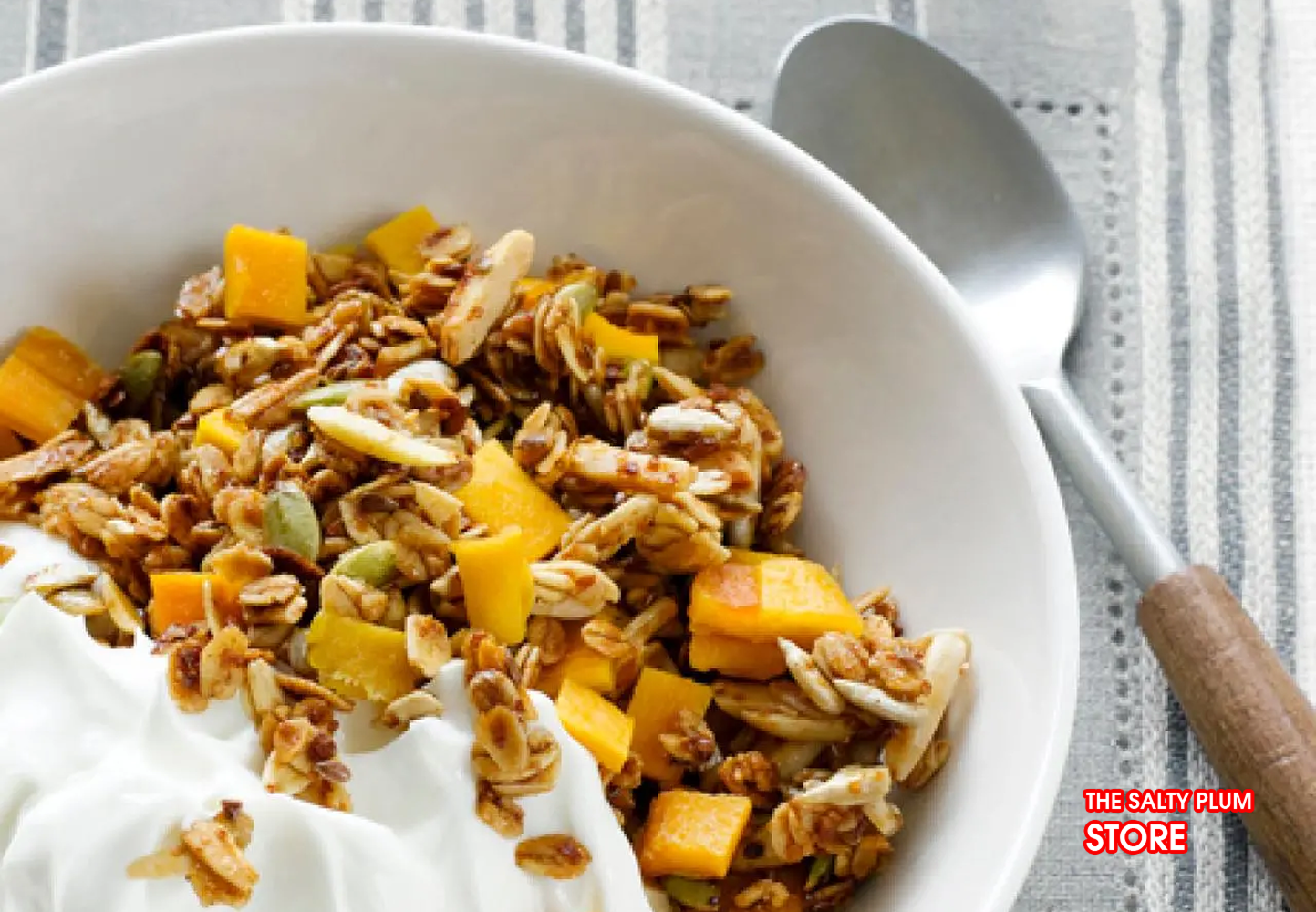
You can slice dried mango into smaller pieces and mix them with cereal or granola. The natural sweetness of dried mango enhances flavor while the fiber supports smoother bowel movements. This is an easy option for busy mornings.
2. Pair It With Yogurt for a Balanced Snack
Yogurt provides probiotics that support gut bacteria. When you add dried mango, the combination of probiotic and fiber creates a balanced snack that helps digestion work more efficiently. This makes dried mango good for constipation and easy to incorporate without changing your eating habits.
3. Use It as a Light Dessert After Meals

A few pieces of dried mango after lunch or dinner can help satisfy cravings in a healthier way. The fiber content helps keep the digestive system active. This method is simple and works well for people who prefer minimal preparation.
4. Combine It With Nuts for a Satisfying Snack Mix
A small mix of dried mango and nuts creates a filling snack that delivers fiber, healthy fats, and energy. This helps maintain stable digestion throughout the day and makes dried mango good for constipation because of the consistent fiber intake.
III. Tips for Choosing High Quality Dried Mango
Selecting the right product is important because dried mango good for constipation only when it delivers enough natural fiber without unnecessary additives. These tips focus on what truly matters for quality, nutrition, and digestive benefits.
1. Choose Products With No Added Sugar

Dried mango with added sugar reduces nutritional quality and removes part of the digestive benefit. The natural sweetness of mango is enough. Choose products labeled no added sugar or unsweetened to maintain higher fiber content and better support for constipation relief.
2. Look for Short and Clean Ingredient Lists
The best dried mango usually contains only one ingredient which is mango. A short ingredient list ensures you avoid preservatives, artificial flavors, and coloring that add no value to digestion. This helps you get the full benefit of dried mango good for constipation.
3. Check the Texture for Natural Quality
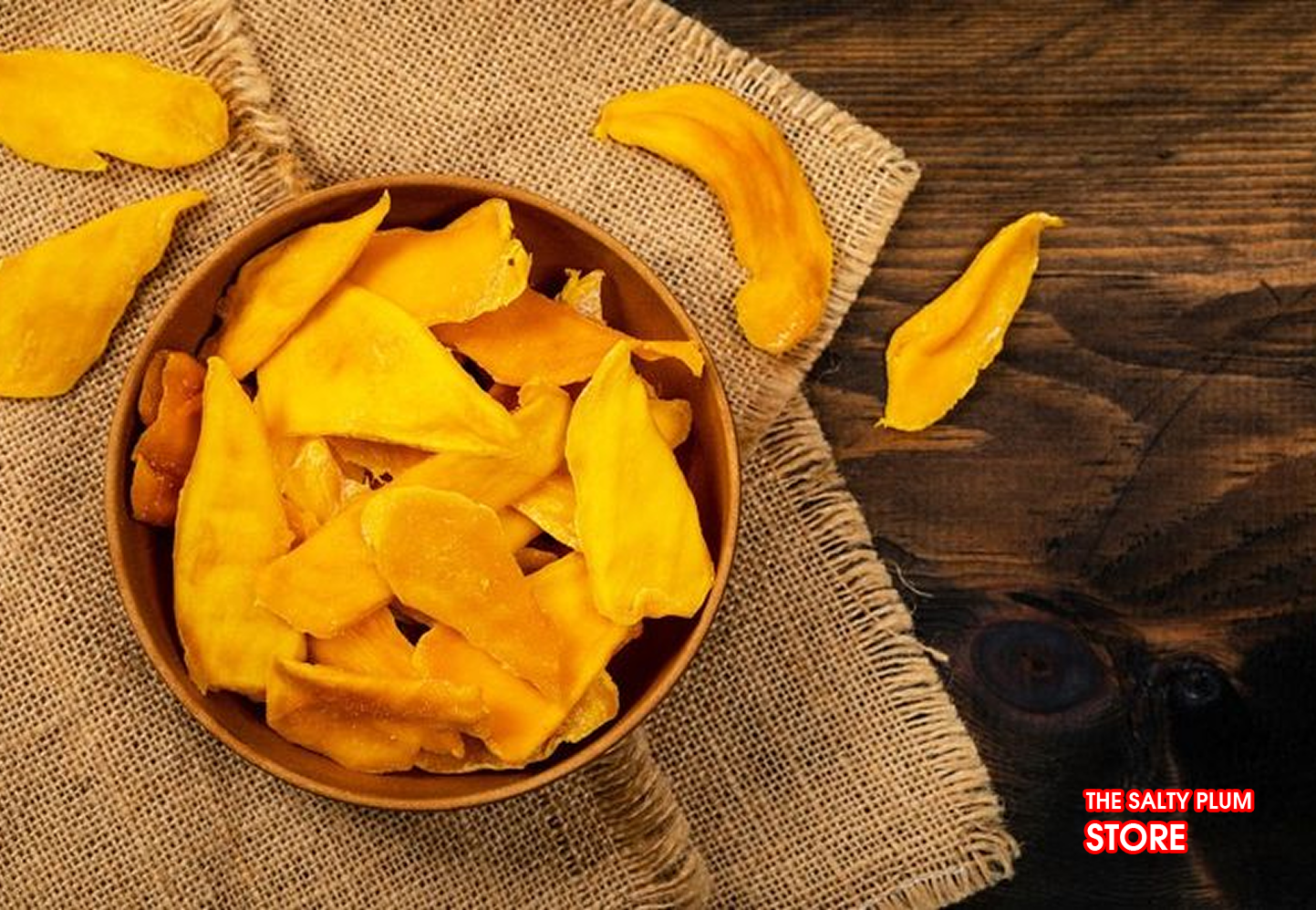
High quality dried mango should feel soft and slightly chewy. Pieces that are too tough or too glossy may have been over processed or coated with sugar. Softer texture indicates that more natural moisture is preserved which helps the fiber function more effectively in digestion.
4. Choose Products With Natural Color
Good dried mango typically has a deep orange or golden color. Extremely bright yellow pieces may suggest added coloring or heavy processing. Natural color reflects careful drying methods that maintain nutrients and support better digestive benefits.
5. Prefer Air Dried or Low Temperature Dried Mango
Drying methods that use lower temperatures help preserve fiber, vitamins, and natural enzymes. Many brands specify their drying method on the label. Choosing these products increases the likelihood of better quality and supports the effect of dried mango good for constipation.
6. Select Brands That Provide Fiber Information
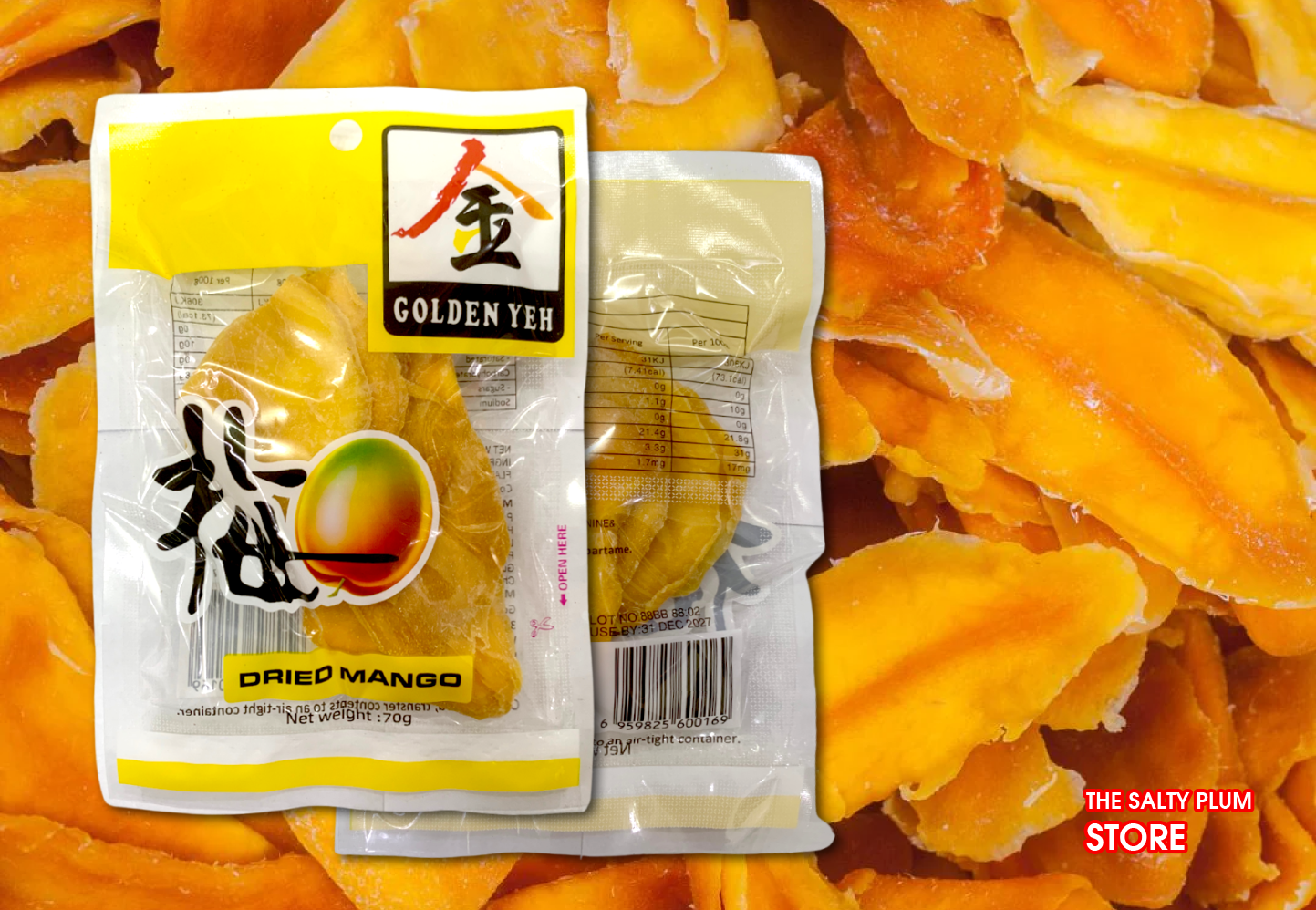
Not all dried mango products list fiber clearly. Choose brands that show fiber content per serving. This helps you confirm the product contains enough fiber to support digestive health, which is important when using dried mango for constipation relief.
IV. Conclusion
Dried mango offers a simple and natural way to support digestive wellness when used in the right portions. Its fiber content helps the body maintain smoother and more regular bowel movements which makes dried mango good for constipation and a practical addition to daily meals. Choosing high quality products and pairing them with enough hydration allows you to experience the digestive benefits more effectively. When you use dried mango with intention and balance, it becomes a convenient and nutritious choice that supports long term digestive comfort.