




Dried tamarind, with its naturally tangy-sweet flavor, is a popular ingredient in global cuisines, featured in savory sauces, curries, refreshing drinks, and desserts. Its rich and complex taste enhances dishes, giving them a distinctive tropical character that is hard to replicate.
However, dried tamarind is sensitive to moisture, heat, and air exposure. Without proper storage, it can lose its aroma, darken in color, harden, or even develop mold. In this guide, we’ll show you how to store dried tamarind correctly, covering the best containers, ideal storage conditions, and practical tips to preserve its freshness and flavor for months.
I. How to Store Dried Tamarind Correctly: Tips & Best Practices
Storing dried tamarind properly is essential to maintain its unique sweet-and-sour flavor, aroma, and nutritional benefits. There are several common storage methods, each suited for different needs:
- Room Temperature: Keep dried tamarind in a cool, dry, and dark place, away from direct sunlight. It can last for a few weeks under these conditions.
- Refrigeration: For longer storage, place tamarind in an airtight container in the refrigerator, which helps preserve freshness for several months.
- Freezing: For the longest shelf life, tamarind can be frozen, either in pulp form or as tamarind paste, ensuring it remains flavorful for up to a year.

Proper storage is not just about extending shelf life it also prevents mold growth, loss of flavor, and bacterial contamination. Always use airtight, clean containers to protect your tamarind. If you have different forms, such as pulp, paste, or chutney, it’s best to store each separately to avoid cross-contamination and maintain the quality of each product.
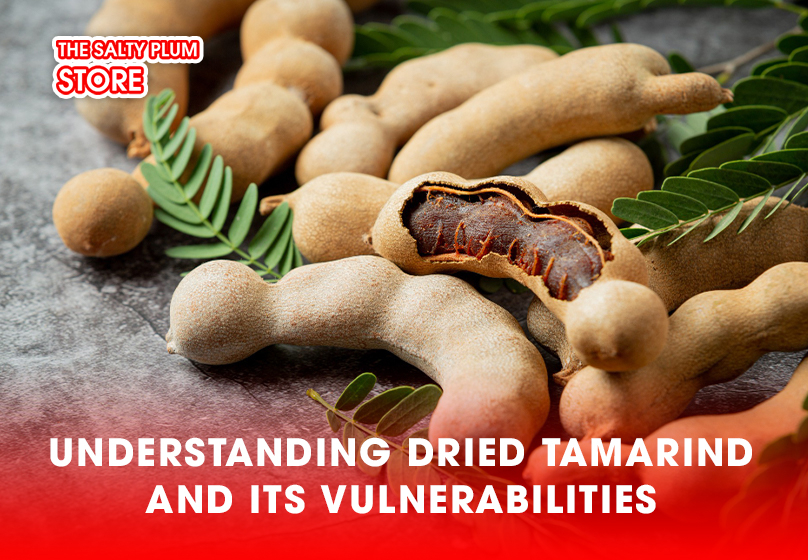
II. Understanding Dried Tamarind & Its Vulnerabilities
Dried tamarind is made from ripe tamarind pulp that’s sun-dried or gently dehydrated to preserve its natural flavor. It has a deep brown color, chewy yet slightly sticky texture, and comes in different forms such as whole with seeds, seedless pieces, or compacted blocks. This ingredient is popular for its distinctive balance of sweetness and tanginess, making it a staple in many Asian dishes, sauces, and beverages.
Common Vulnerabilities:
- Moisture: Easily absorbs humidity → causes mold or fermentation.
- Heat & Light: Prolonged exposure → makes tamarind dry, tough, and less flavorful.
- Air & Contamination: Contact with wet utensils or leaving it uncovered → introduces bacteria or dirt.
Proper storage is therefore essential to preserve its natural taste, color, and chewy texture. When kept in the right conditions, dried tamarind can stay fresh and safe for several months or even up to a year without losing its quality or aroma.
👉 If you love dried tamarind, The Salty Plum Store brings you the purest, tangy-sweet delight.
III. Best Containers & Storage Conditions
1. Ideal Storage Containers
To keep dried tamarind fresh and flavorful, always store it in airtight containers. Glass jars or high-quality food-grade plastic boxes with tight-fitting lids work best, as they prevent moisture and air from getting in. Zip-lock bags are another convenient option, especially those with a moisture barrier or silica gel packet inside. Avoid paper bags or cloth pouches, these materials absorb humidity easily and can cause the tamarind to mold or spoil faster.
2. Recommended Environment
Store dried tamarind in a cool, dry place, away from direct sunlight or heat sources like stoves and ovens. The ideal humidity level should be below 60%, as excess moisture promotes fermentation. It’s also best to keep it away from strong-smelling items such as spices, onions, or garlic, since tamarind can easily absorb odors.
3. Hygiene Practices
When handling dried tamarind, always make sure your hands and utensils are completely dry. Use a clean spoon or utensil to scoop out the needed amount instead of touching it directly. This simple habit prevents contamination and helps maintain the tamarind’s quality and shelf life for months.

IV. Storage Methods by State / Use
1. Room Temperature Storage (Short-Term)
If you plan to use dried tamarind within 2–4 weeks, storing it at room temperature is perfectly fine. Keep it in an airtight glass or plastic container and place it in a cool, dry, and well-ventilated spot — away from sunlight and heat. For added protection, include a small desiccant packet or a piece of clean paper towel to absorb excess moisture.
2. Refrigeration (Medium-Term)
For storage up to 1–3 months, refrigeration helps maintain the tamarind’s natural texture and color while preventing mold. Seal the dried tamarind in a zip-lock bag or airtight container before placing it in the refrigerator’s main compartment. When needed, take out only the portion you plan to use and reseal immediately to avoid condensation inside the container.
3. Freezing (Long-Term)
Freezing is the most effective way to store dried tamarind for 6–12 months without losing flavor. Divide the tamarind into small portions, wrap each tightly in plastic wrap, and then place them all in a freezer-safe bag or container. When ready to use, thaw one portion at a time at room temperature. Avoid refreezing to prevent moisture buildup and texture changes.

4. Salt Preservation (Traditional Option)
For those who prefer a more traditional, non-refrigerated method, dried tamarind can also be preserved with salt. Mix deseeded tamarind pulp with a moderate amount of salt, then press it firmly into a sterilized glass or ceramic jar. This method can extend shelf life up to a year, though the flavor becomes more intense and slightly salty — ideal for cooking or making savory pastes.
V. Shelf Life & When to Discard
1. Estimated Shelf Life
- Room Temperature: 2–4 weeks
- Refrigerator: 2–3 months
- Freezer: Up to 12 months
- Salt-Preserved: Around 1 year
2. Signs of Spoilage
Watch for any of the following indicators that your dried tamarind has gone bad:
- Presence of white or black mold on the surface.
- Unusual sour, musty, or fermented odor.
- Texture becomes overly dry, hard, or sticky-wet.
- Color turns excessively dark or uneven.
If any of these signs appear, it’s best to discard the tamarind immediately to avoid health risks. Proper storage and periodic checks will help ensure that your dried tamarind remains fresh, flavorful, and safe for use.

VI. Tips & Best Practices
To maximize the freshness and quality of your dried tamarind, follow these practical tips:
- Label Storage Dates: Always mark the date of storage on your containers to track freshness and avoid using expired tamarind.
- Use Dry Utensils: Never handle tamarind with wet hands or utensils, as moisture can cause mold or spoilage.
- Separate Different Forms: Keep whole pods, pressed blocks, and salt-preserved tamarind in separate containers to prevent flavor transfer.
- Avoid Strong Odors: Store away from foods with strong smells, like onions, garlic, or spices, to maintain the tamarind’s natural aroma.
- Portion for Convenience: If you use tamarind frequently, divide it into smaller portions. This allows you to take out only what you need, minimizing exposure of the remaining tamarind to air and moisture.
By following these best practices, you can enjoy dried tamarind that stays flavorful, safe, and ready for use in your favorite dishes.
VII. Conclusion
Proper knowledge of how to store dried tamarind correctly not only extends its shelf life but also preserves its natural sweet-and-sour flavor, aroma, and texture. Whether you choose to store it at room temperature, in the refrigerator, or in the freezer, the key principles remain the same: keep it dry, airtight, and protected from moisture and heat.
By following the recommended storage methods and best practices, you can ensure that your dried tamarind remains fresh and safe for months, ready to enhance sauces, beverages, and dishes with its unique tangy taste. With proper care, this versatile ingredient can be a reliable pantry staple, always available to add that signature flavor to your culinary creations.