




There’s something magical about the smell of ginger slowly drying in the sun or oven. It brings warmth, comfort, and memories of cozy kitchens. In this guide, we’ll walk you through how to make dried ginger from scratch. Even if you’ve never worked with fresh ginger before, don’t worry. With a few simple tools and a little patience, you’ll have your own batch of dried ginger ready to use in teas, cooking, or even DIY remedies.
And while we focus on how to make dried ginger, we’ll also touch gently on the amazing benefits of ginger for your health and how to reuse dried ginger creatively. Let’s begin, step by step.
I. What You’ll Need
Before jumping into the process, here’s a short list of what you’ll need:
- Fresh ginger root (as firm and smooth as possible)
- A sharp knife or vegetable peeler
- A clean kitchen towel or paper towel
- A baking tray or drying rack
- An oven or dehydrator (or just the sun!)
- An airtight container for storage
Step 1: Clean the Ginger Thoroughly
The first step in how to make dried ginger is to clean it well. Ginger is a root, so it often comes with bits of soil or dust. Hold it under cold running water and scrub gently using your hands or a soft brush. Then, pat it dry using a towel. Let it sit for a few minutes until no moisture remains on the surface.
Step 2: Peel and Slice the Ginger
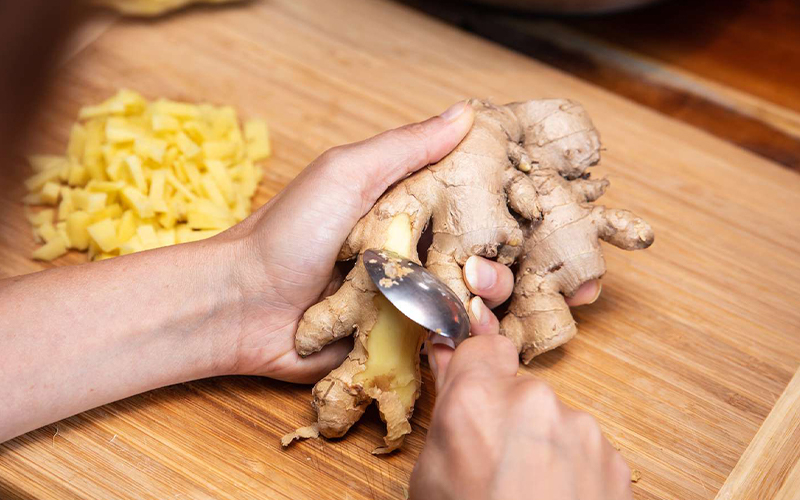
You don’t always need to peel ginger, but for dried ginger, peeling gives a smoother finish. Use the edge of a spoon to scrape off the skin, or gently use a vegetable peeler.
Next, slice the ginger into even, thin pieces about 1/8 inch thick. Think of how you would slice a cucumber for a salad. Thin slices help the ginger dry faster and more evenly.
Step 3: Spread and Air-Dry
Place the ginger slices in a single layer on a clean kitchen towel. Leave them on the counter for 1–2 hours to remove surface moisture. This step might feel slow, but it’s part of how to make dried ginger that lasts longer and tastes better.
Step 4: Dry the Ginger
Now comes the key step in how to make dried ginger: the drying process itself. You can choose one of three methods:
Option A: Oven Drying
- Preheat your oven to the lowest setting (usually around 60°C or 140°F).
- Place the ginger slices on a baking tray lined with parchment paper.
- Let them bake slowly for 2 to 4 hours. Leave the oven door slightly ajar to let moisture escape.
- Flip the slices halfway through to ensure even drying.
Option B: Sun Drying
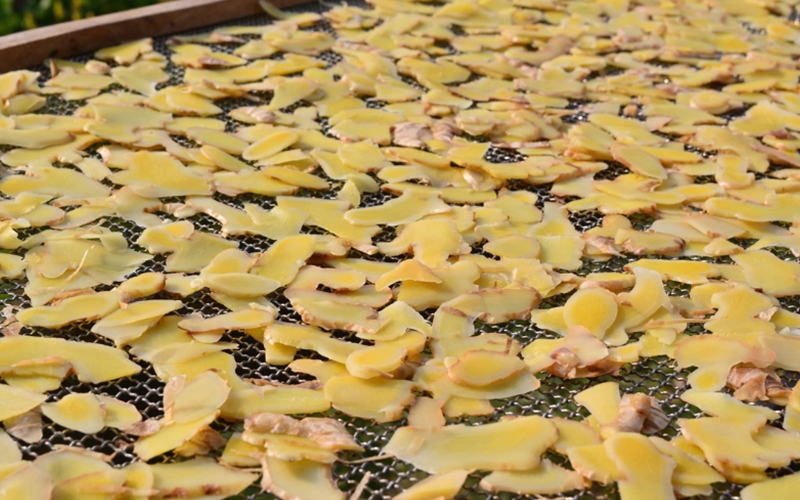
- Spread the ginger on a mesh or rack and cover it with thin cloth to avoid dust.
- Place it in a sunny, well-ventilated spot for 3 to 5 days.
- Bring the tray inside at night to avoid dew.
Option C: Dehydrator
- Set your dehydrator to 135°F (57°C).
- Dry for 4 to 6 hours, checking occasionally for crispness.
Step 5: Cool and Store
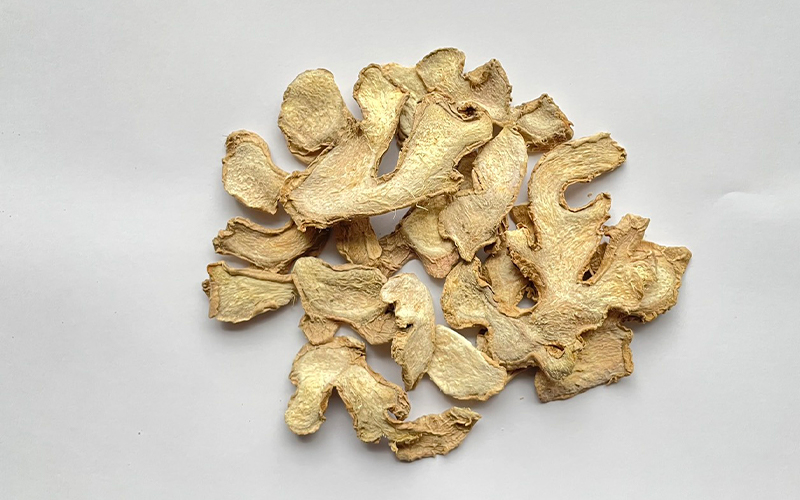
Once the slices feel dry and slightly crisp, take them out and let them cool down. This prevents steam from collecting inside the storage container.
Place them in a clean, airtight jar or glass container. Store in a cool, dark place. Properly dried and stored, they can last up to 6 months. Congratulations! You’ve learned how to make dried ginger from scratch.
II. Health Benefits of Dried Ginger
Ginger has been used in both food and medicine for centuries. While this guide focuses on how to make dried ginger, it’s also good to know why it’s worth making.
1. A Natural Anti-inflammatory
Gingerol, a compound found in ginger, helps reduce inflammation. Drinking ginger tea may help ease sore muscles after exercise or long working days.
2. Supports Digestion
A few slices of dried ginger in warm water can soothe bloating, indigestion, or mild nausea.
3. Boosts Immunity
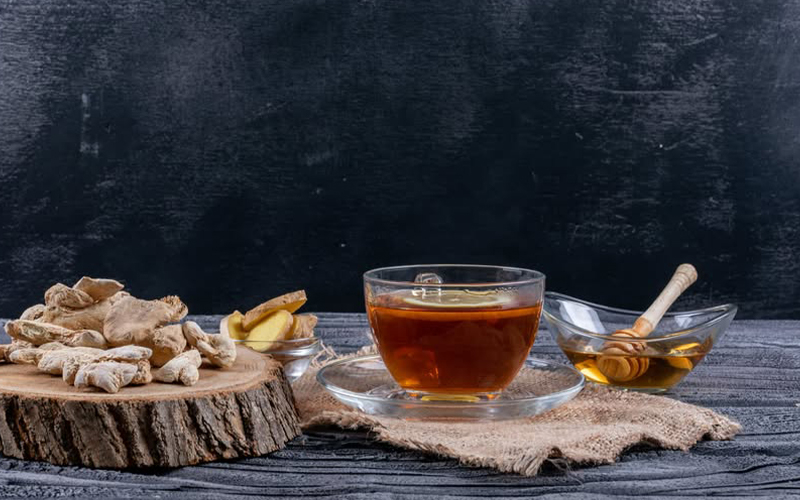
Dried ginger is full of antioxidants. Add it to tea with honey and lemon when you feel a cold coming.
4. A Gentle Aid for Coughs
When paired with warm water or even a bit of honey, dried ginger can soothe a scratchy throat.
5. May Help with Menstrual Discomfort
Many women find comfort in sipping ginger tea during their cycle. Its warming quality helps relax the body.
III. Creative Ways to Reuse Dried Ginger
Now that you know how to make dried ginger, don’t just stop at tea. Here are a few fun and useful ideas:
- Make ginger sugar: Toss in sugar and pulse in a blender for a sweet, spicy topping.
- Infuse oils or vinegar: Add dried ginger to olive oil or apple cider vinegar for salad dressings.
- Add to soups or broths: A few pieces of dried ginger can add depth and warmth.
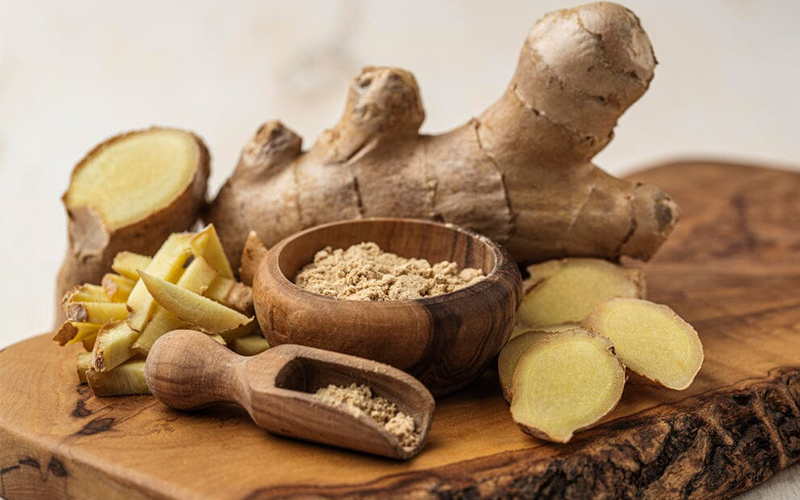
- Grind into powder: If you prefer, blend dried ginger into a fine powder for baking or spice blends.
IV. A Gentle Note on Ginger and Health
If you’re also a fan of tamarind or herbal remedies, try combining dried ginger with tamarind tea for a tangy, digestive tonic. Slice the ginger, boil, simmer, and cool down, then add tamarind and honey. This combination is not only soothing but also refreshing.
V. Final Thoughts
Learning how to make dried ginger is more than just a kitchen project. It’s a small act of care for yourself and those you love. Whether you use it for health, flavor, or creativity, dried ginger brings warmth and goodness into every cup and every bite.
With just a bit of slicing, slow drying, and storing, you’ve created something truly special. And the best part? You’ll always know what’s in it—just pure ginger, made with your own hands.
Bonus Tip: Keep a small jar of dried ginger in your bag or desk drawer. You never know when a cozy cup of homemade tea might make your day better.