




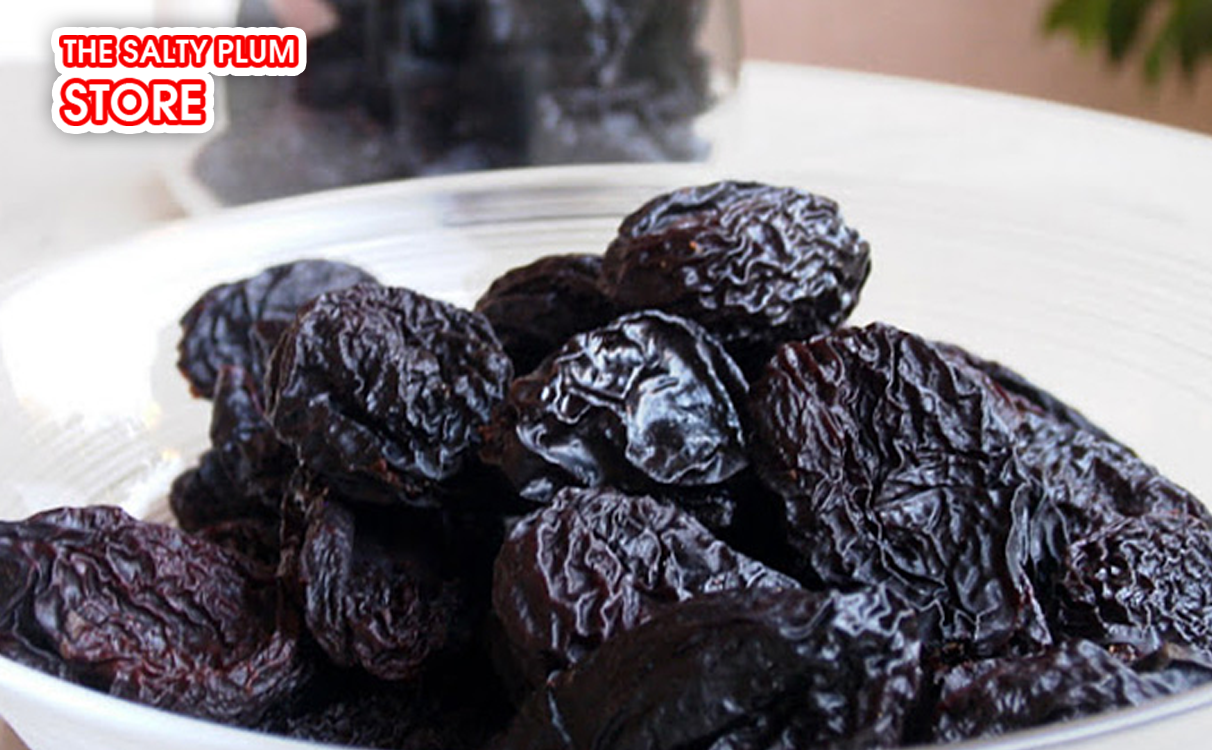
Dried prunes, or dried plums, are a popular healthy snack known for their chewy texture, natural sweetness, and rich nutrients. For centuries, they’ve been enjoyed not just as a treat but also as a natural aid for digestion and overall wellness.
Since prunes are high in natural sugars and carbohydrates, they’re more calorie-dense than fresh fruits. That’s why understanding dried prune calories is important for weight management and balanced nutrition. In this article, we’ll cover their calorie content, how they compare with other foods, and portion tips to enjoy them without overeating.
I. What Are Dried Prunes & Why Calories Matter?
At their core, dried prunes are simply plums that have undergone a dehydration process to remove most of their water content. This process gives prunes their chewy texture, concentrated sweetness, and extended shelf life, making them a convenient snack available year-round.
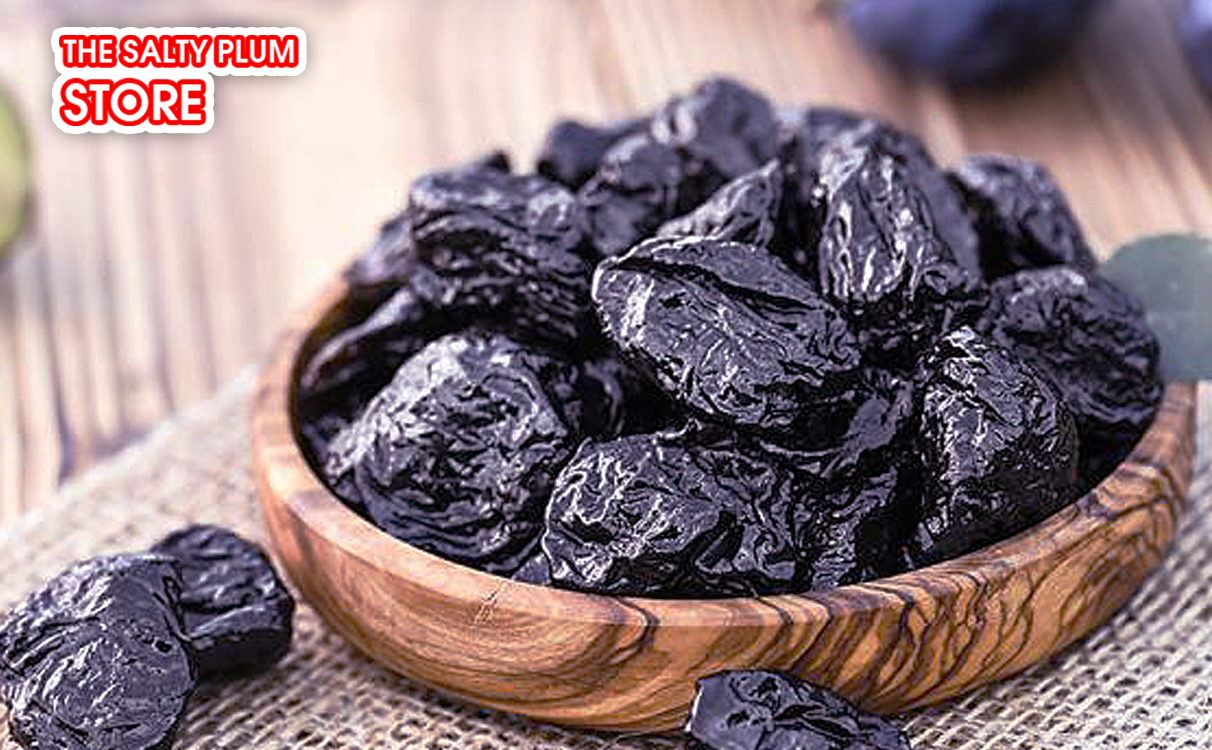
So why do calories matter when it comes to prunes? Like all dried fruits, prunes are nutrient-dense but also calorie-dense. The drying process removes water but leaves natural sugars and carbohydrates intact, meaning a small handful of prunes packs more calories than the same amount of fresh plums.
Why Calories Matter:
- Calorie Density: Drying removes water but retains natural sugars, making prunes higher in calories than fresh plums.
- Energy Source: Their concentrated energy can benefit athletes, busy professionals, or anyone needing a quick energy boost.
- Weight Control: Overeating is possible due to their sweetness and calorie concentration, so portion control is important.
II. How Many Dried Prune Calories Are in a Serving?
1. Calories per Serving
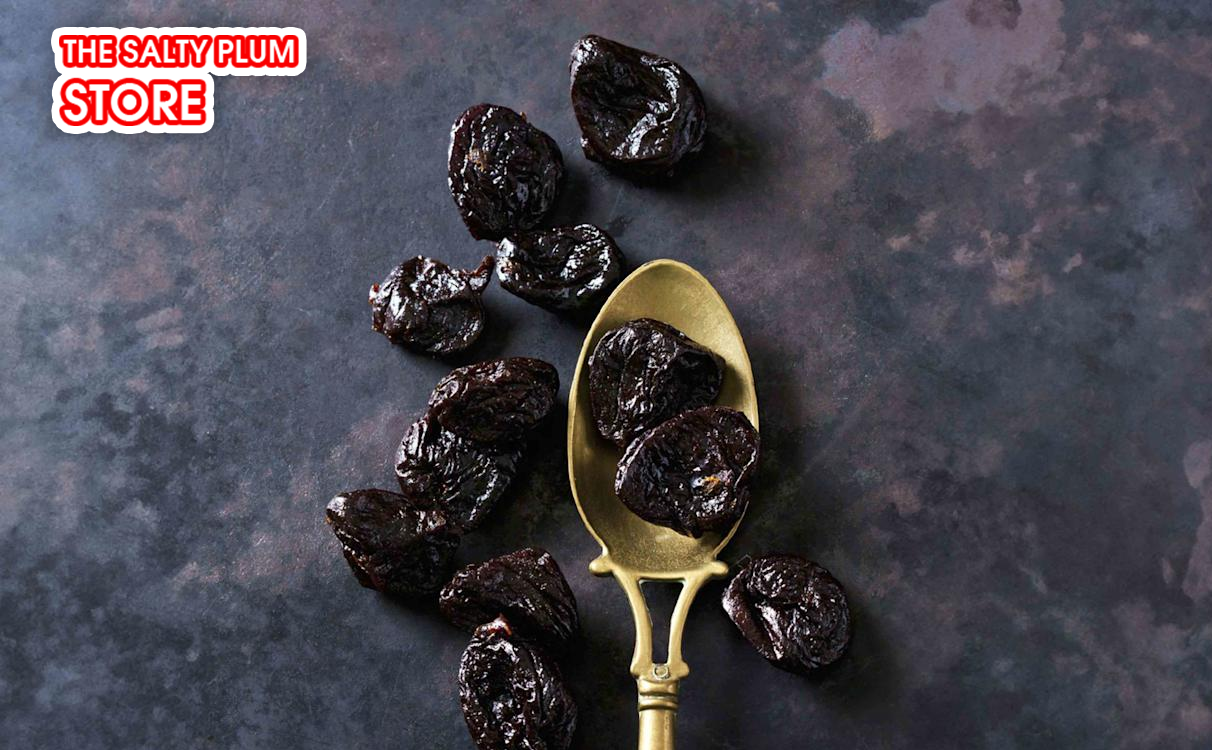
- 1 prune (about 9 - 10g): 2 - 24 calories
- 5 prunes (50 - 60g): around 115 calories
- 1 cup of prunes (~170g): over 400 calories
This clearly shows how quickly calories can add up when eating prunes.
2. Nutritional Breakdown
Most of the calories in dried prunes come from carbohydrates, made up of natural sugars and dietary fiber. While protein and fat are very low, prunes make up for it with an impressive range of micronutrients including vitamin K, vitamin B6, potassium, manganese, magnesium, and copper.
3. Glycemic Index (GI)
With a glycemic index of about 29, dried prunes are classified as a low-GI food, meaning they release sugar into the bloodstream slowly and steadily. This helps provide lasting energy without the sharp blood sugar spikes and crashes often caused by high-GI foods. Thanks to their natural fiber and sorbitol content, prunes also promote satiety and support better appetite control. That makes them not only a sweet and tasty snack but also a smarter choice for balanced nutrition and long-term energy.
4. Key Takeaway
Prunes may be small, but even a modest serving delivers fiber, antioxidants, and a variety of essential vitamins and minerals that support overall health. Their natural sweetness makes them a satisfying and nutritious alternative to processed snacks.
However, because they are calorie-dense, eating too many at once can quickly add up. Practicing portion control allows you to enjoy their benefits fully while maintaining balance in your diet. In short, prunes are most powerful when eaten mindfully and in moderation.
If you’re looking for naturally sweet and healthy dried prunes, check out The Salty Plum Store for premium quality options.
III. How Prunes Compare to Other Snacks, Fruits
1. Compared to Fresh Fruits
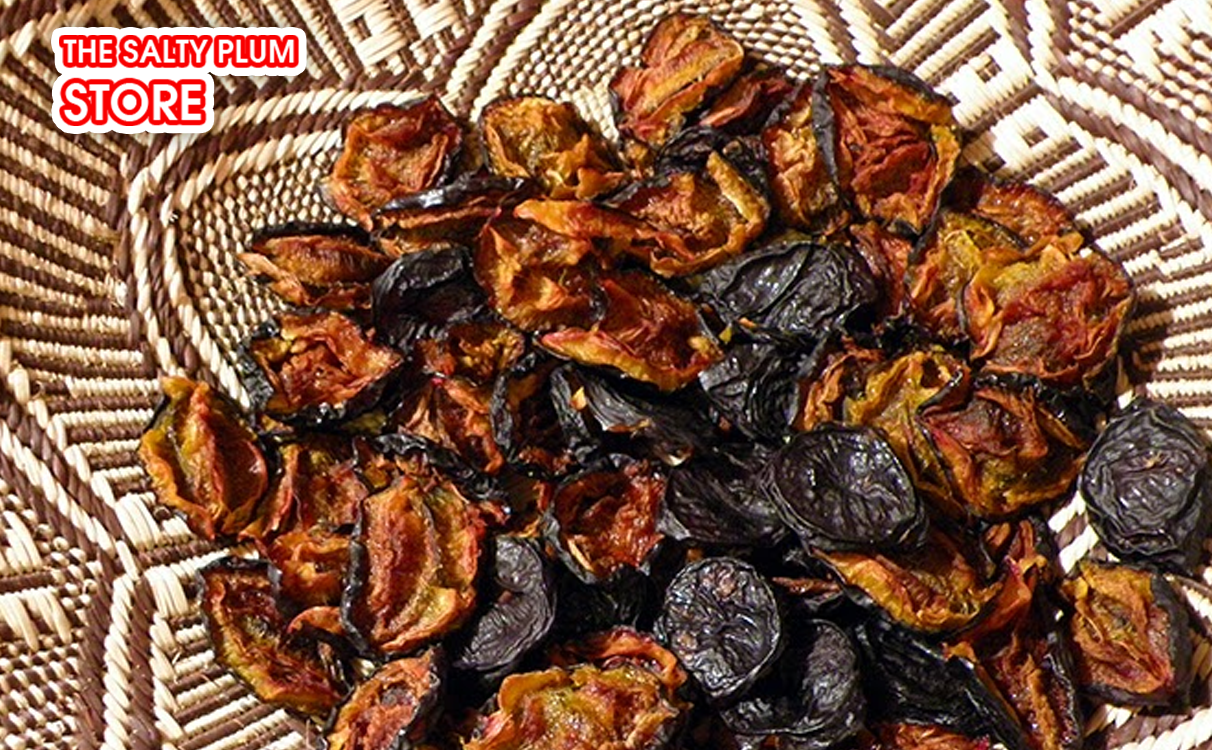
Dried prunes contain more calories per gram than most fresh fruits like apples, oranges, or grapes because the dehydration process concentrates both calories and sugar. However, they are also more nutrient-dense, offering extra fiber, antioxidants, and minerals that many fresh fruits don’t provide in the same amounts.
2. Compared to Other Dried Fruits
When compared with popular dried fruits such as raisins or dates, prunes stand out with a lower glycemic index (GI), which means they release energy more slowly. They also have a higher fiber content, making them particularly beneficial for digestion, appetite control, and satiety.
3. Compared to Processed Snacks
Prunes are a far healthier option than candy, cookies, or chips. Unlike processed snacks, prunes are:
- Naturally free of saturated fats and cholesterol
- Free from added sugar (if unsweetened)
- Packed with vitamins, minerals, and antioxidants
They provide long-lasting energy with natural sweetness, making them a smart alternative for anyone looking to snack healthier.
IV. How Many Prunes Should You Eat? Portion Control Tips
1. General Recommendations
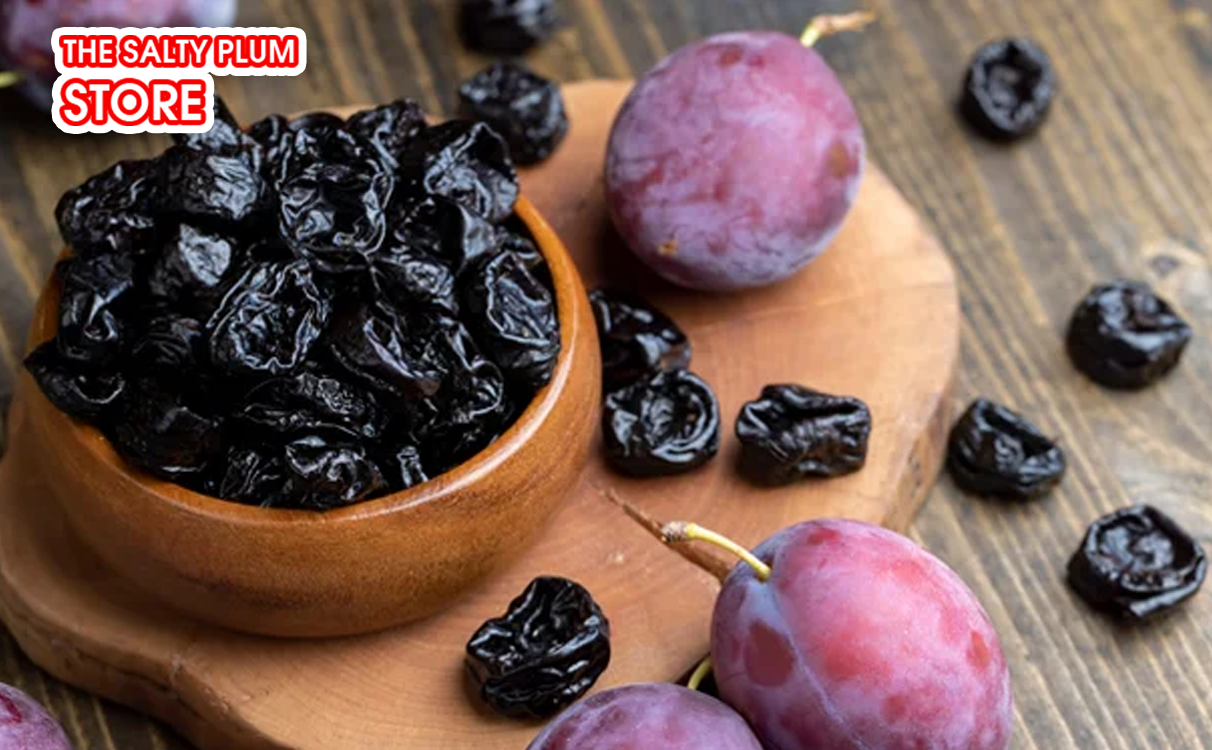
For most people, a moderate serving of 4-5 prunes per day (around 100 calories) provides a solid boost of fiber, potassium, and antioxidants. Some studies even suggest that eating 9-10 prunes daily (about 200-240 calories) can support digestive health and bone density thanks to their unique combination of nutrients.
2. When to Limit Intake
While prunes are highly nutritious, they are also calorie-dense. If your goal is weight loss or blood sugar management, it’s better to stick to 2–3 prunes at a time. Because of their high fiber and natural sorbitol content, eating too many too quickly can lead to bloating, gas, or mild digestive discomfort. The best approach is to increase intake gradually.
3. Practical Portion Tips
- Snack smart: Instead of reaching for processed or sugary foods, enjoy prunes as a wholesome mid-day snack. Their natural sweetness satisfies cravings while offering valuable nutrients.
- Balance nutrients: Pairing prunes with protein or healthy fats—such as yogurt, nuts, or cheese—creates a more balanced snack. This combination not only enhances flavor but also helps keep you full for longer and stabilizes energy levels.
- Control portions: Because prunes are calorie-dense, it’s easy to overeat when snacking directly from the bag. To avoid this, divide them into small containers or pre-portion servings ahead of time. This makes it simple to enjoy their benefits without the risk of consuming too many calories at once.
V. Conclusion
Dried prunes may be small, but they are loaded with fiber, antioxidants, and essential nutrients that support digestion, heart health, and bone strength. Their natural sweetness makes them a wholesome alternative to processed snacks and sweets.
The key is moderation - enjoying prunes in reasonable portions ensures you get their full nutritional value while avoiding excess. As part of a balanced diet, they can be both a satisfying treat and a long-lasting source of energy.