




Looking for a cake that feels indulgent yet still supports a healthy lifestyle? This dried prune cake strikes the perfect balance. With its natural sweetness, moist texture, and subtle richness, it’s a wholesome alternative to traditional desserts.
Packed with fiber, potassium, and antioxidants from dried prunes, this cake delights your taste buds while supporting your overall health. Light enough for breakfast, satisfying as an afternoon snack, and elegant enough for a tea-time centerpiece, it’s a versatile bake you’ll love making again and again.
In this recipe guide, you’ll discover why dried prunes are an excellent choice for baking, the essential ingredients you’ll need, step-by-step instructions, and expert tips to ensure your cake turns out perfectly every time.
I. Why Choose Dried Prunes for This Cake Recipe?
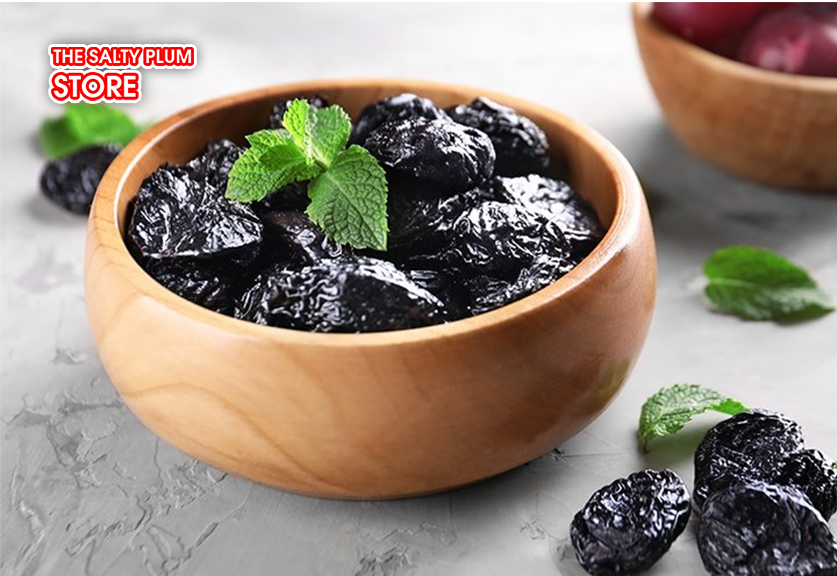
One of the main reasons dried prunes work so well in cakes is their flavor and texture. They bring a natural sweetness with subtle caramel-like undertones, creating a richer, more complex taste compared to regular sugar or other dried fruits. At the same time, their natural moisture helps the cake stay soft and tender, ensuring it doesn’t dry out even after a day or two. This makes dried prunes the perfect ingredient for achieving a moist and flavorful cake without relying on excess sugar or fat.
Beyond taste, dried prunes are also packed with nutrition. They’re an excellent source of dietary fiber, vitamin K, potassium, and magnesium - all of which play a role in supporting healthy digestion, heart health, and strong bones. Compared to many dried fruits, prunes are naturally lower in sugar and have a low glycemic index, making them a smarter choice for people who are mindful of their diet or managing blood sugar. With both health and flavor on their side, dried prunes are a standout ingredient for this cake recipe.
II. Key Ingredients & Healthy Swaps
Main Ingredients:
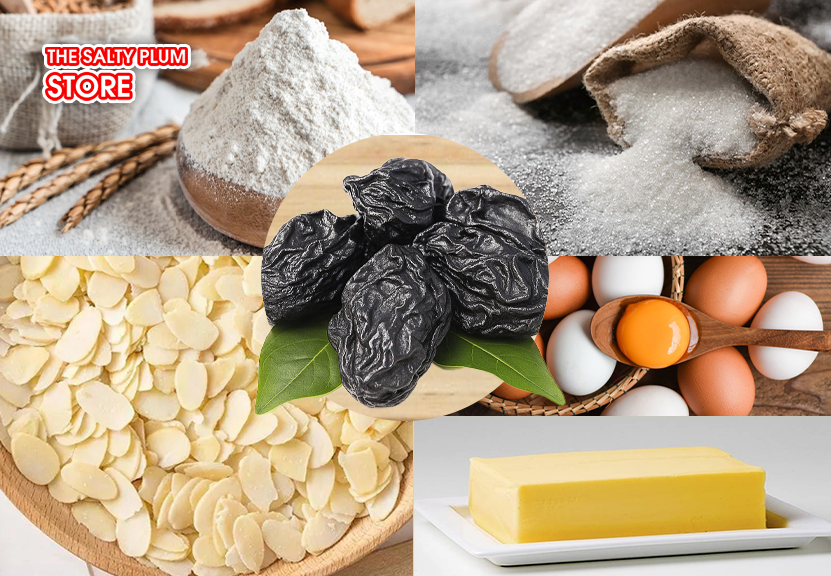
- Dried prunes (pitted): the star ingredient, providing natural sweetness and moisture.
- All-purpose flour: the main ingredient that provides structure and softness to the baked goods.
- Eggs: help hold the ingredients together and enhance the overall richness.
- Butter: for flavor and tenderness (can be swapped with mild olive oil).
- Sugar: balances flavors (can be reduced or replaced with honey or maple syrup).
- Almond flakes: add crunch and a nutty aroma.
Healthy Swaps:
- Replace part of the flour with whole wheat flour or ground oats for extra fiber.
- Use prune purée to substitute part of the fat or sugar.
- Swap cow’s milk with almond or walnut milk for a lighter, dairy-free version.
👉 If you’re looking to buy high-quality dried prunes for this recipe, check out The Salty Plum Store for the best selection.
III. Step-by-Step Recipe
Step 1: Make the pastry crust
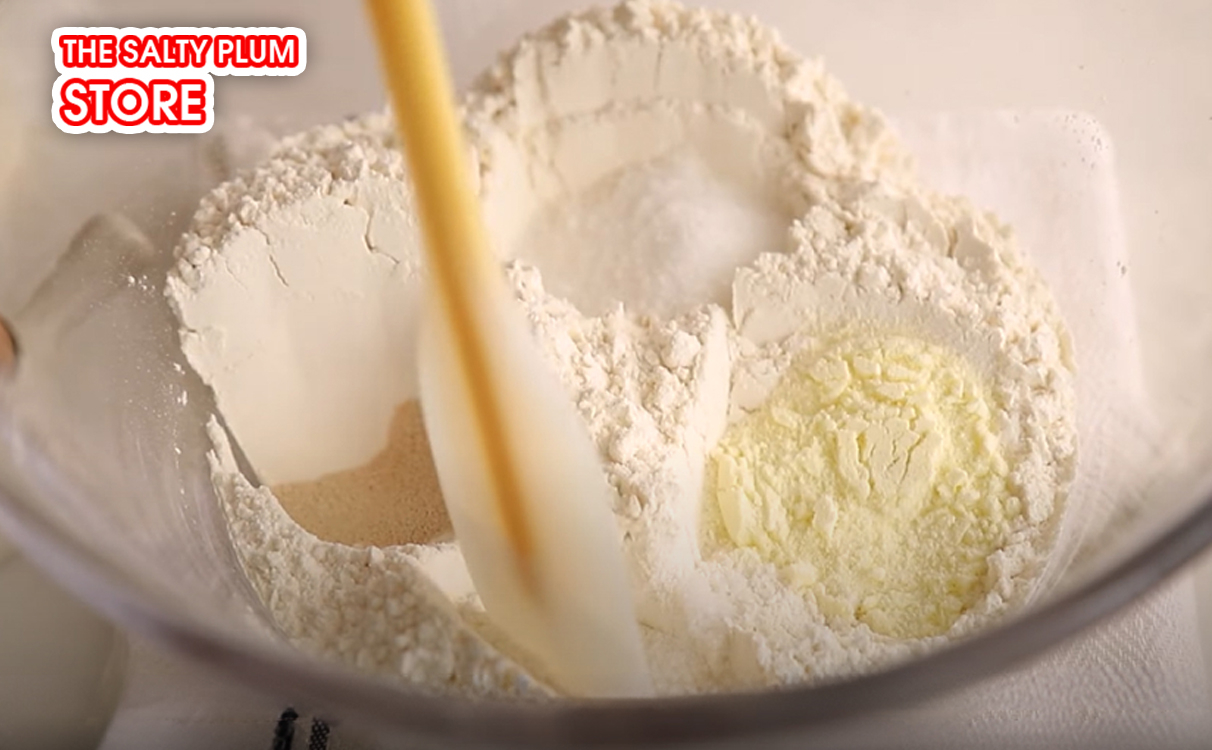
- In a large bowl, combine flour, a pinch of salt, and sugar.
- Add cold butter (cut into small cubes) and rub it into the flour mixture with your fingertips until crumbly.
- Add an egg and mix until the dough becomes smooth and cohesive.
- Cover the dough and chill it in the refrigerator for 30 minutes.
Step 2: Bake the crust
- Roll out the chilled dough and place it into a greased baking dish.
- Prick the base with a fork, line with baking paper, and fill with dried beans (or pie weights).
- Blind bake at 180°C (350°F) for about 30 minutes. Remove the paper and beans afterward.
Step 3: Add the filling base
- Scatter half of the almond flakes and the pitted dried prunes evenly over the baked crust.
Step 4: Make the custard mixture
- In a separate bowl, whisk together the eggs, sugar, and melted butter until smooth.
- Pour this custard mixture over the prunes and almonds in the crust.
Step 5: Bake again
- Sprinkle the remaining almond flakes on top.
- Bake for another 30 minutes at 180°C (350°F), until the custard is set and the top is golden.
Step 6: Finish & serve
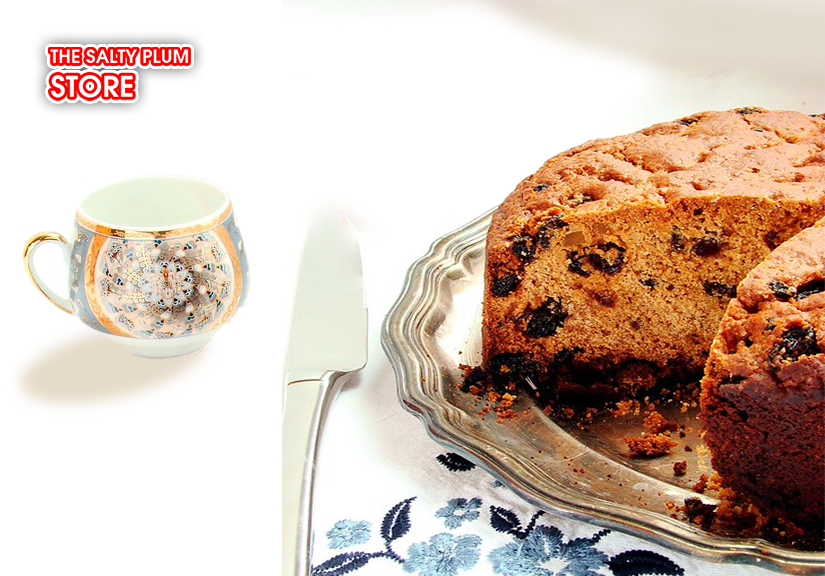
- Let the cake cool completely before cutting, as it may fall apart if sliced while warm.
- Dust with powdered sugar for an elegant finish.
IV. Tips for a Perfect Tea-Time Cake
- Soak the prunes first: Soak prunes in warm water, tea, or a splash of rum before baking. This makes them softer, juicier, and adds a richer aroma to your cake.
- Let the cake cool completely: Give the cake time to cool so the custard sets and slices stay neat. Cutting too soon may cause crumbling or a messy texture.
- Use parchment paper or a non-stick pan: Lining your pan with parchment or using a non-stick dish ensures the cake releases smoothly and keeps the crust from breaking.
- Adjust sweetness to your liking: Prunes are naturally sweet, so you can reduce added sugar or swap with honey or maple syrup while still keeping the cake delicious.
- Enhance flavor with extras: A touch of cinnamon, vanilla, or chopped nuts can bring warmth and crunch. Pair with yogurt, cream, or ice cream for extra indulgence.
- Store it properly: Keep leftovers in an airtight container for 2 days or refrigerate for longer. The flavor often deepens and improves the next day.
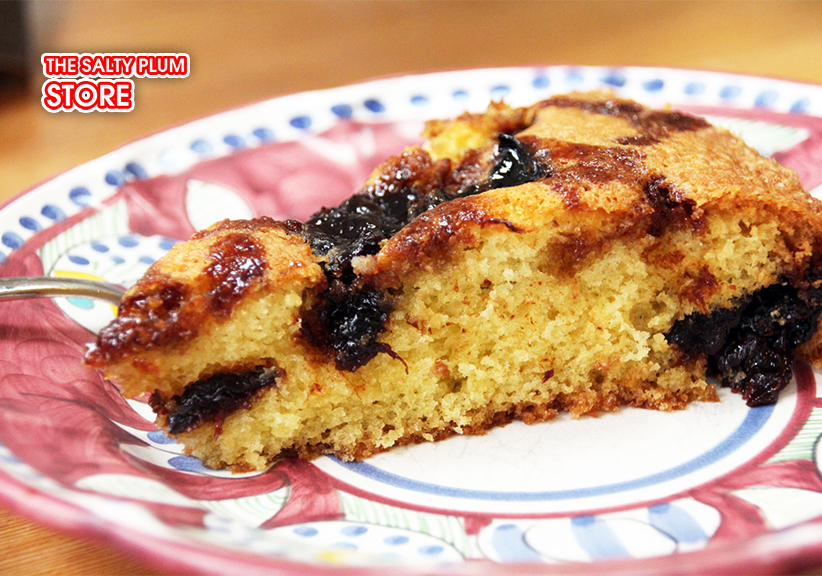
V. Variations You’ll Love
- Prune & Walnut Cake: Add toasted walnuts to the batter for a delightful crunch and nutty contrast to soft, sweet prunes. This balance creates a more satisfying bite. For extra depth, roast the walnuts with a touch of cinnamon before mixing them in.
- Prune Spiced Cake: Enhance your cake with spices like cinnamon, ginger, and nutmeg for a warm, festive aroma. Add a little orange zest for a fresh twist, perfect for autumn or winter tea-times.
- Gluten-Free Version: Swap all-purpose flour with almond flour, oat flour, or a gluten-free blend for a wholesome, tender cake. It’s perfect for gluten-sensitive eaters or those seeking lighter options. For extra nutrition, mix in a spoonful of flaxseed or chia seeds.
- Prune & Citrus Cake: Combine prunes with lemon or orange zest to brighten the flavor. The citrus adds a fresh, tangy note that balances the prune’s sweetness, making this variation especially refreshing for spring and summer tea-times.
- Prune & Yogurt Cake: Replace part of the butter with plain yogurt or Greek yogurt. This not only lightens the cake but also adds a subtle tanginess, making it extra moist while keeping the flavor wholesome and balanced.
- Prune Chocolate Cake: Mix cocoa powder or chocolate chips into the batter for a richer, more indulgent flavor. The deep notes of chocolate pair beautifully with the prune’s natural caramel sweetness. For an extra touch, drizzle melted dark chocolate on top before serving.
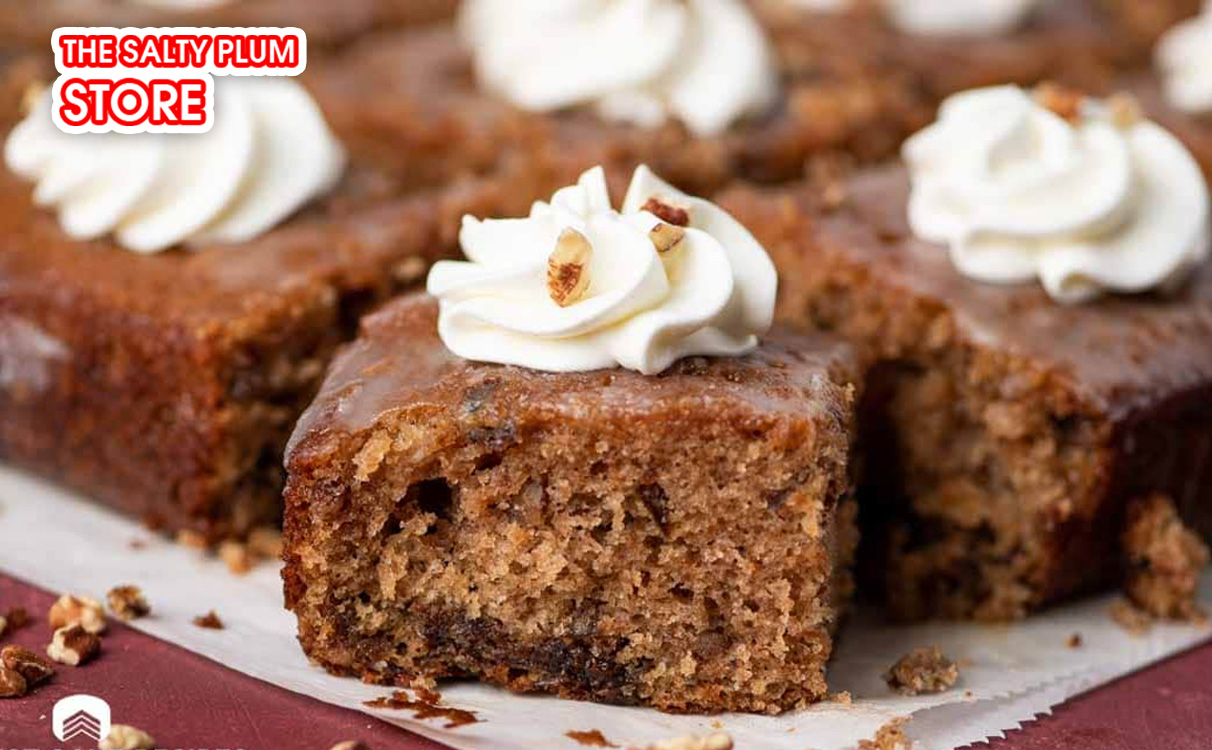
VI. Conclusion
In summary, a dried prune cake is not only delicious but also packed with nutrients and versatile enough to suit many tastes. With its natural sweetness, moist texture, and endless variations, it’s a dessert that feels both wholesome and indulgent.
Why not give it a try? This recipe makes a wonderful tea-time centerpiece, a light breakfast, or a healthy dessert option.