



Freeze dried olive is gaining attention among consumers looking for convenient, shelf stable olive products without compromising on flavour or nutritional value. Unlike fresh or traditionally dried olives, this method preserves the natural structure and taste through a low temperature dehydration process.
As interest grows in long lasting, easy to use ingredients for cooking and snacking, freeze dried olive has become a practical option for both home kitchens and food businesses. This article explains what freeze dried olive is, how it is made, how it compares to other olive forms, and what you can expect in terms of taste and usage.
I. What Is a Freeze Dried Olive?
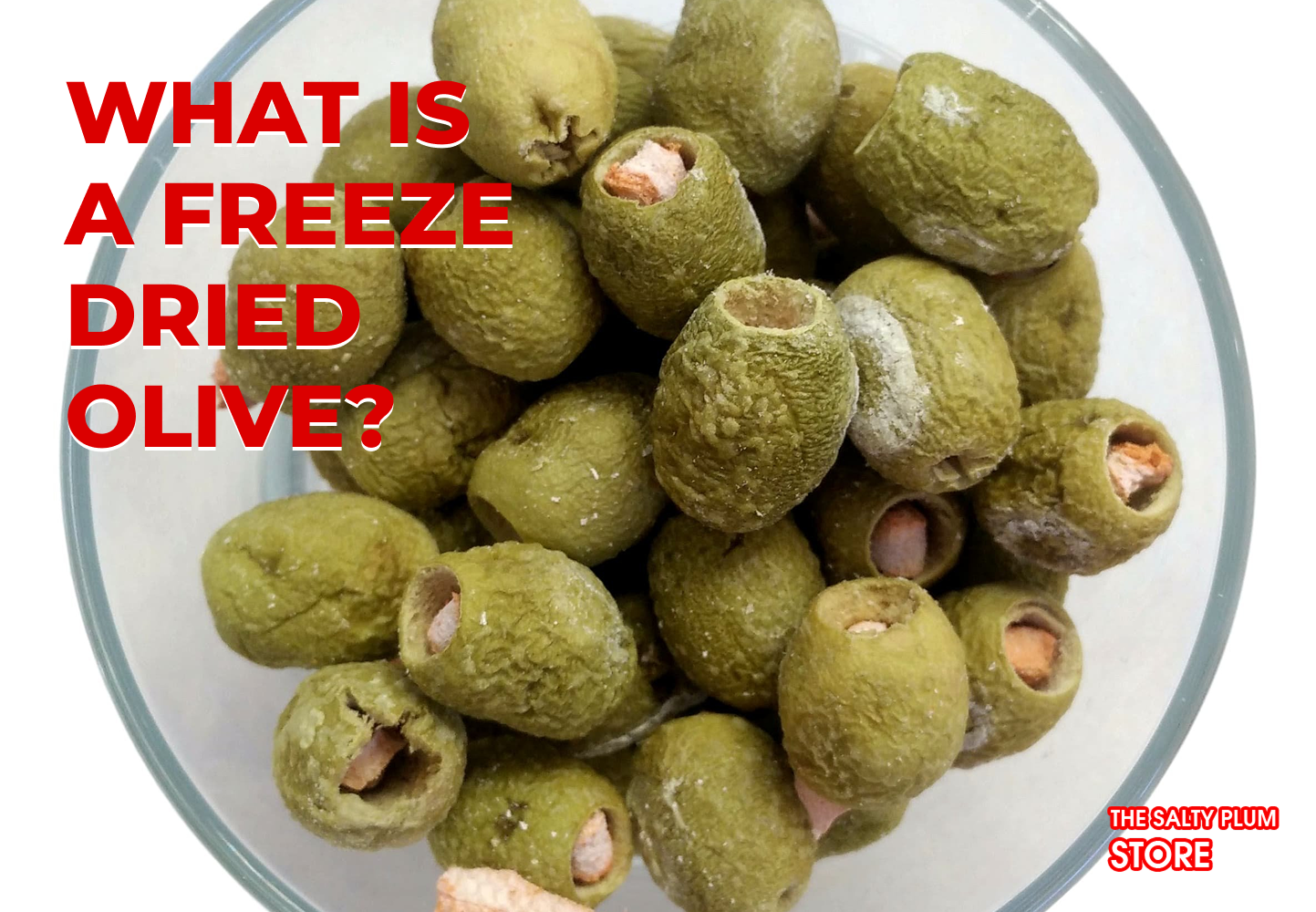
A freeze dried olive is an olive that has gone through a dehydration process at very low temperatures, where moisture is removed without using heat. This method helps the olive retain its original shape, flavour profile, and much of its natural nutrients. Unlike sun dried or air dried olives, freeze dried olive products are lightweight, shelf stable, and do not rely on preservatives to maintain quality.
Freeze dried olive is commonly used in situations where long storage life and easy handling are important. It can be eaten as is, rehydrated for cooking, or used as an ingredient in food processing. For consumers and businesses seeking consistency and convenience, freeze dried olive offers a practical alternative to fresh and traditionally dried olives.
II. How Freeze Dried Olives Are Made
The production of freeze dried olive products follows a carefully controlled process designed to preserve the natural qualities of the olive while extending its shelf life. The production method generally follows several key steps:
1. Selection and preparation
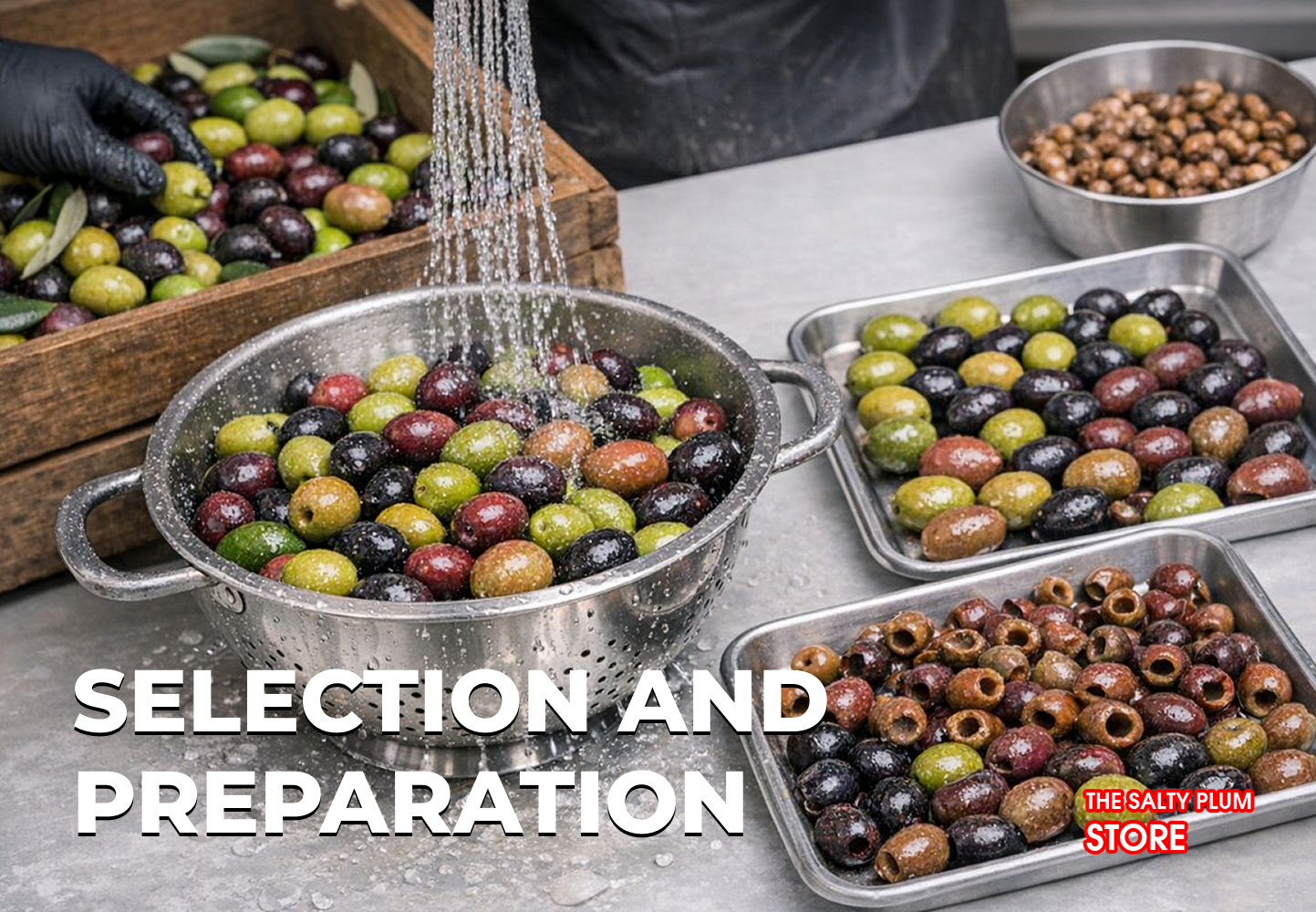
High quality olives are chosen at the appropriate level of ripeness. They are thoroughly washed to remove dirt, debris, and surface residues. Depending on the intended use, olives may be pitted or left whole before processing.
2. Rapid freezing
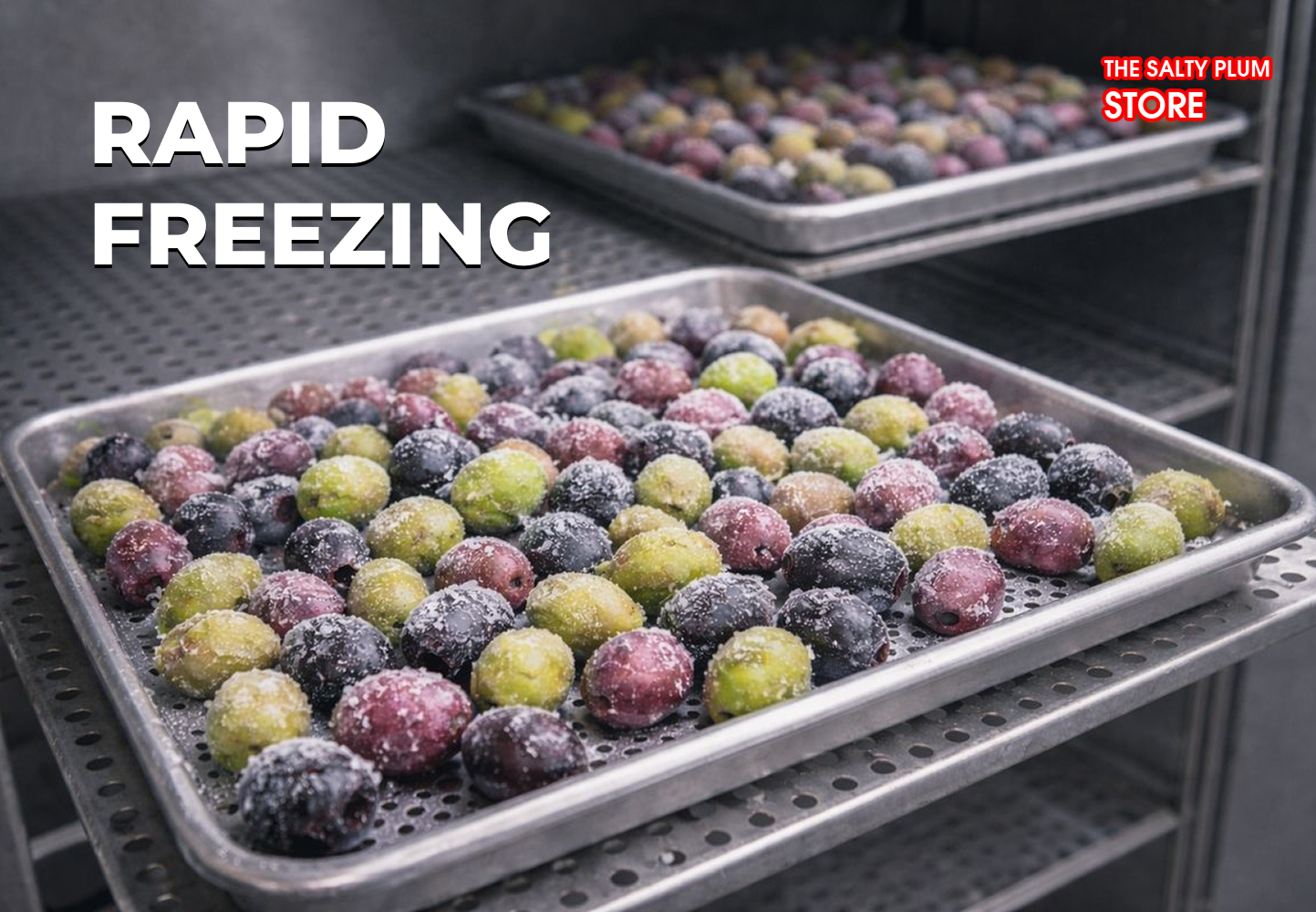
The prepared olives are frozen at extremely low temperatures. This step is critical because it locks the olive’s internal structure in place. By freezing the water content quickly, large ice crystals are avoided, which helps protect the cell walls of the olive.
3. Vacuum drying through sublimation
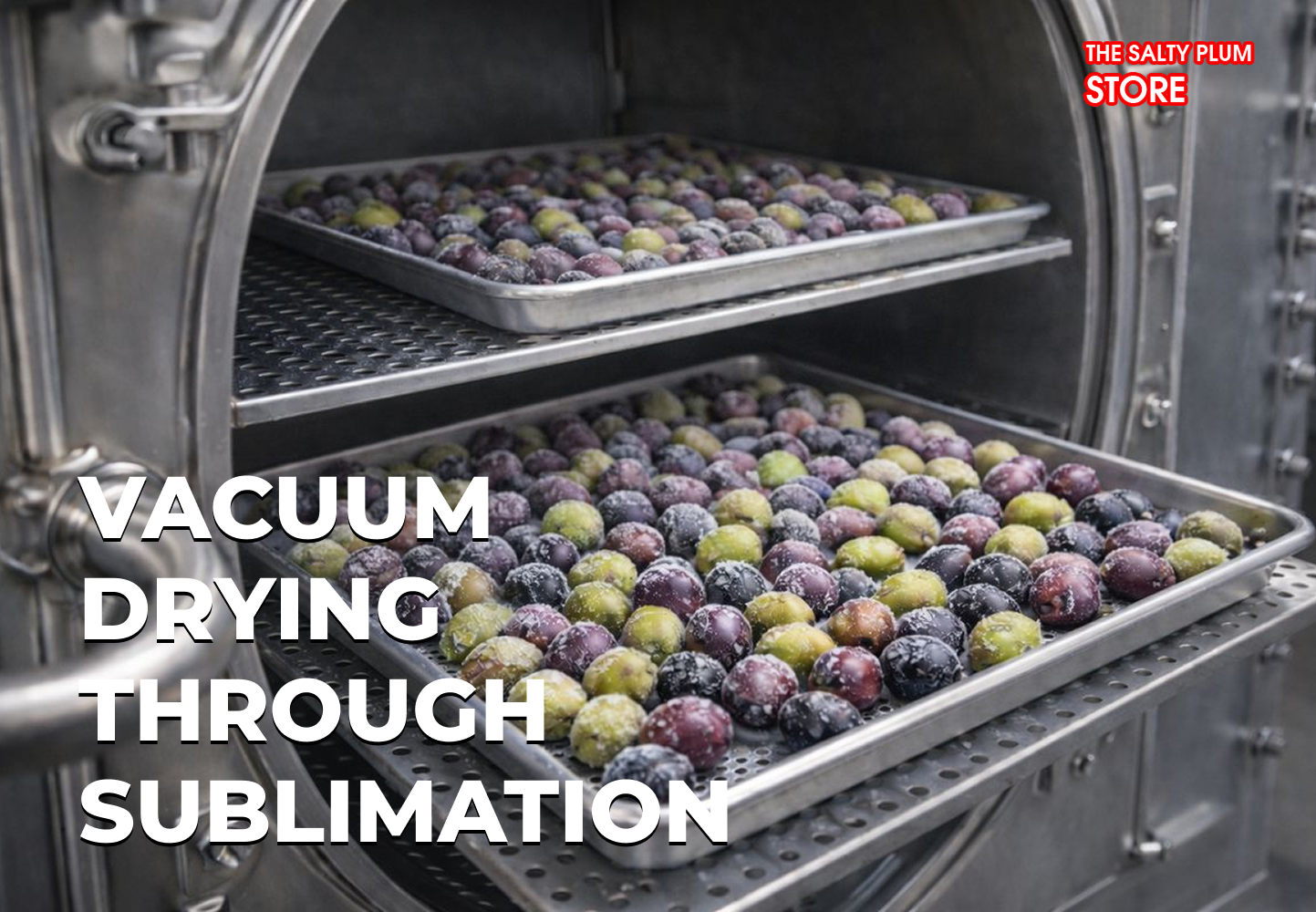
Once frozen, the olives are transferred to a vacuum chamber. Under low pressure, the frozen water inside the olives turns directly from ice into vapour without becoming liquid. This process, known as sublimation, removes moisture gently and evenly throughout the olive.
4. Final drying and stabilization
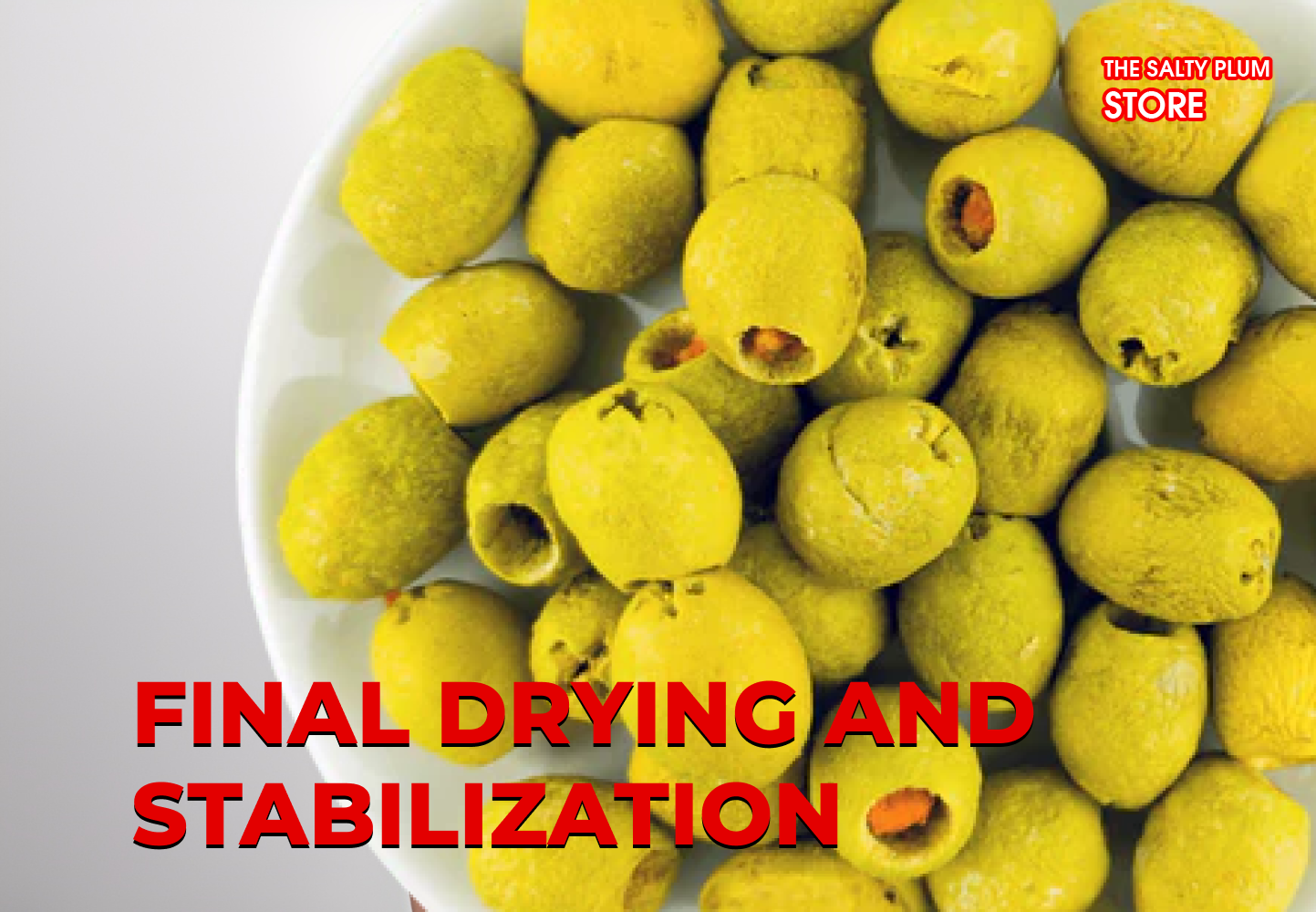
After most of the moisture is removed, a final drying phase ensures the freeze dried olive reaches a stable moisture level suitable for long term storage. The finished product is lightweight, shelf stable, and resistant to spoilage without the need for preservatives.
Because the process avoids high temperatures, freeze dried olives retain much of their original flavour, aroma, and nutritional profile. This makes freeze dried olive products suitable for applications where consistency, long storage life, and easy rehydration are important, such as food manufacturing, catering, and home use.
III. Freeze Dried Olive vs. Fresh Olive vs. Dried Olive
|
|
|
|
|
|
|
|
|
|
|
|
|
|
|
|
|
|
|
|
|
|
|
|
|
|
|
|
|
|
|
|
|
|
|
|
|
|
|
|
|
|
|
|
|
|
|
|
|
|
This comparison shows why freeze dried olive is often chosen for applications that require long storage, consistent quality, and ease of use, while fresh and traditionally dried olives remain suitable for specific culinary and local consumption needs.
IV. What Does Freeze Dried Olive Taste Like?
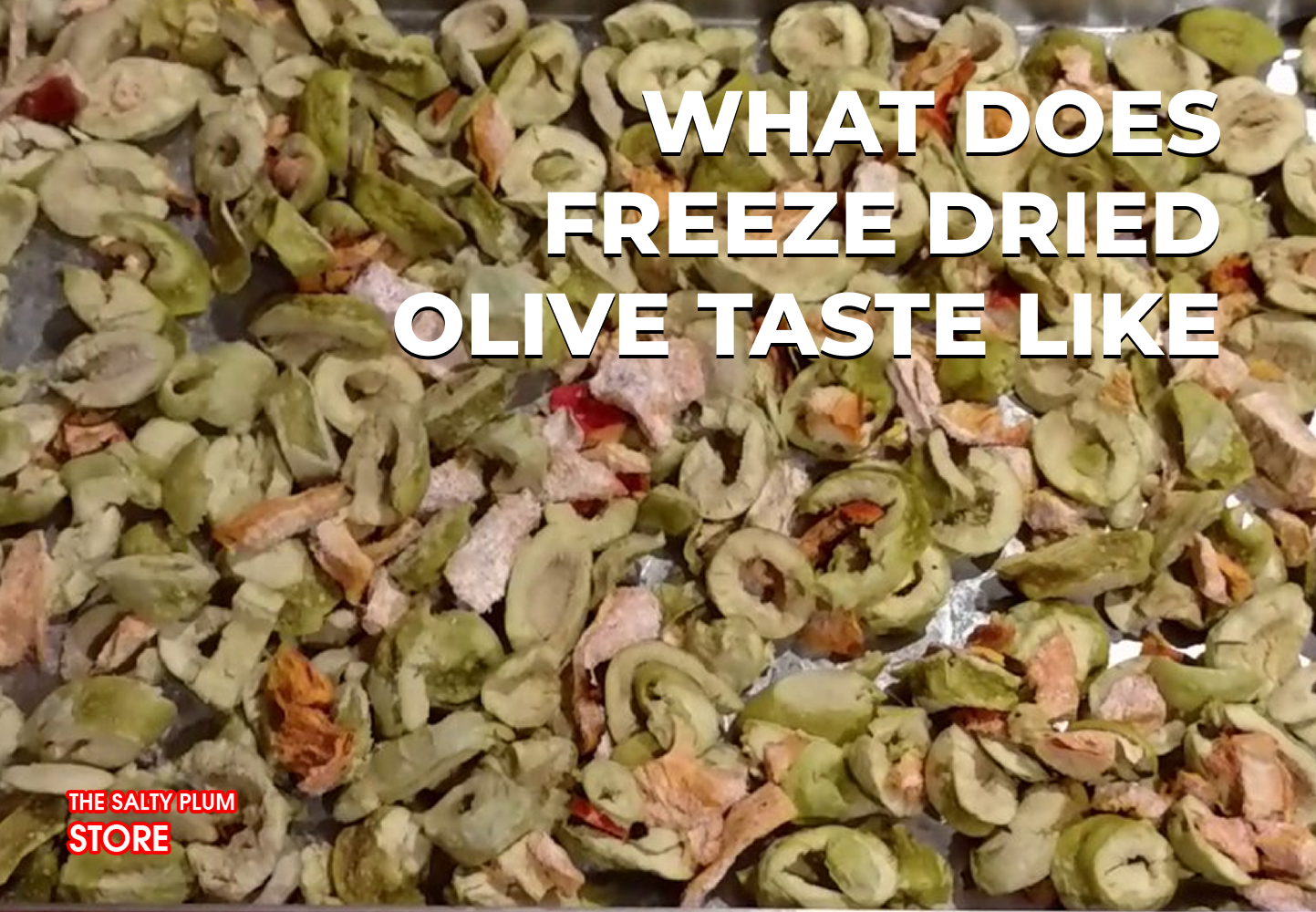
Freeze dried olive delivers a clean and concentrated olive flavour that is closer to fresh olives than to traditionally dried ones. Because the freeze drying process removes moisture without heat, the natural taste of the olive is preserved rather than cooked or overly intensified.
When eaten dry, freeze dried olive has a light, crisp texture with a mild crunch. The flavour is balanced, slightly salty, and subtly bitter, depending on the olive variety. It does not carry the heavy chewiness or sharp saltiness often found in air dried or sun dried olives.
Once rehydrated, freeze dried olive softens quickly and releases a flavour profile similar to fresh or cured olives. This makes it suitable for use in cooking, sauces, and garnishes where a natural olive taste is preferred without overpowering other ingredients. Overall, freeze dried olive is valued for its pure flavour, controlled intensity, and versatility across different food applications.
V. Conclusion
Freeze dried olive offers a practical solution for those who want the natural taste of olives with the convenience of long term storage and flexible use. Through a low temperature drying process, freeze dried olive retains its flavour, texture, and nutritional value better than many traditional drying methods. It can be enjoyed as a light snack, rehydrated for cooking, or used as an ingredient in both home kitchens and food production.
When compared with fresh and dried olives, freeze dried olive stands out for its shelf stability, ease of handling, and consistent quality. For consumers and businesses looking to source reliable olive products, various types of freeze dried olive, along with fresh and dried options, are available at The Salty Plum Store, making it easier to choose the right olive format for different needs.
Related Article: