




Tamarind is loved for its sweet-sour flavor, but did you know it comes in two main forms — fresh pods and dried pulp? Each has its own charm: fresh tamarind gives you that juicy tang right from the pod, while dried tamarind is convenient and easy to store for longer use. If you’re curious about the real difference between dried tamarind vs fresh, this article will walk you through their flavors, health perks, and the best ways to use them in everyday cooking.
I. What is Fresh Tamarind?

Fresh tamarind comes in brown, bean-shaped pods that grow on the tamarind tree. Inside each pod, you’ll find sticky, dark brown pulp wrapped around seeds. This pulp is what gives tamarind its famous tangy-sweet taste.
When you crack open a pod, the pulp can be eaten right away or used in cooking. Fresh tamarind is often enjoyed as a snack, blended into refreshing drinks, or added to soups and curries for a natural sourness. Since it’s less processed, fresh tamarind keeps its natural juiciness and bright flavor, making it a favorite in many Asian and Latin American kitchens.
II. What is Dried Tamarind?
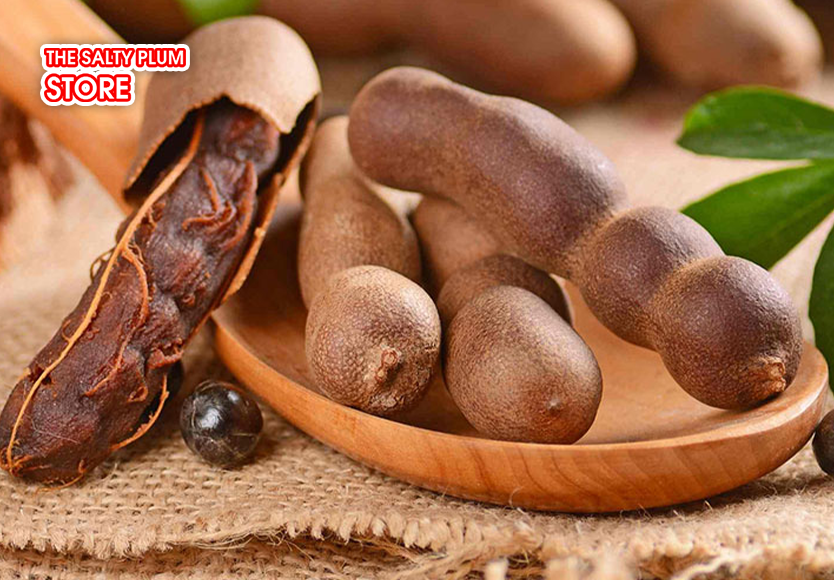
Dried tamarind is made by removing the shell and seeds from fresh pods, then pressing the pulp into blocks or small pieces for easy storage and use. Compared to fresh pods, dried tamarind is more convenient; it lasts longer, takes up less space, and can be used anytime without worrying about seasonality.
In the comparison of dried tamarind vs fresh, dried tamarind is often the go-to choice for cooking because it’s simple to prepare. You just need to soak it in warm water to create a paste or extract, which can then be added to sauces, curries, soups, or even marinades. Beyond its versatility in the kitchen, dried tamarind is also valued for its nutrients. You can learn more about dried tamarind's health and cooking in detail to see why it’s worth adding to your pantry.
III. Dried Tamarind vs Fresh Tamarind: Key Differences
When comparing dried tamarind vs fresh, the differences mainly show up in taste, storage, and how you use them in daily cooking. Fresh tamarind delivers a juicy tang right from the pod, while dried tamarind offers a richer, more concentrated flavor that’s easier to work with in recipes.
Here’s a quick comparison:
|
|
|
|
|
|
|
|
|
|
|
|
|
|
|
|
|
|
|
|
|
|
|
|
In short, both forms have their own charm. Fresh tamarind is best when you want natural juiciness, while dried tamarind is the more practical option for everyday cooking.
IV. Health Benefits Comparison
Both fresh and dried tamarind are packed with nutrients, but their health benefits can vary depending on how they’re consumed. When looking at dried tamarind vs fresh, you’ll notice differences in vitamin content, fiber, and overall convenience of adding them to your diet.
|
|
|
|
|
|
|
|
|
|
|
|
|
|
|
|
|
|
|
|
|
|
|
|
In short, fresh tamarind is fantastic for a vitamin boost and refreshing taste, while dried tamarind shines with concentrated antioxidants and fiber. Depending on your health goals, both forms bring unique benefits to the table.
V. How to Choose Between Dried and Fresh Tamarind?
Deciding between dried tamarind vs fresh can feel tricky if you’re not sure how each one fits into your kitchen and lifestyle. Both bring unique flavors and health benefits, so the choice often comes down to how you plan to use tamarind and what matters most to you: convenience, freshness, or nutrition.
1. Cooking Style and Recipes

- If you cook a lot of curries, soups, or marinades, dried tamarind is the easier option. It’s quick to prepare, just soak, strain, and add the paste to your dish.
- Fresh tamarind works best when you want that sharp, juicy tang in drinks, chutneys, or when snacking directly from the pod.
So when comparing dried tamarind vs fresh for cooking, think about whether you need practicality or bright flavor.
2. Nutritional Priorities

Fresh tamarind is rich in vitamin C, which helps boost your immune system. Dried tamarind, however, has concentrated antioxidants and fiber, making it excellent for digestion and overall wellness. If your focus is immunity, fresh may be better; if you’re looking for antioxidant support, dried tamarind shines.
3. Storage and Availability
Another key factor in the dried tamarind vs fresh debate is storage. Fresh pods are seasonal and spoil faster, so you need to refrigerate or freeze them if you want to keep them longer. Dried tamarind, in contrast, lasts for months in your pantry, making it the more practical choice if you use tamarind regularly.
4. Lifestyle and Convenience
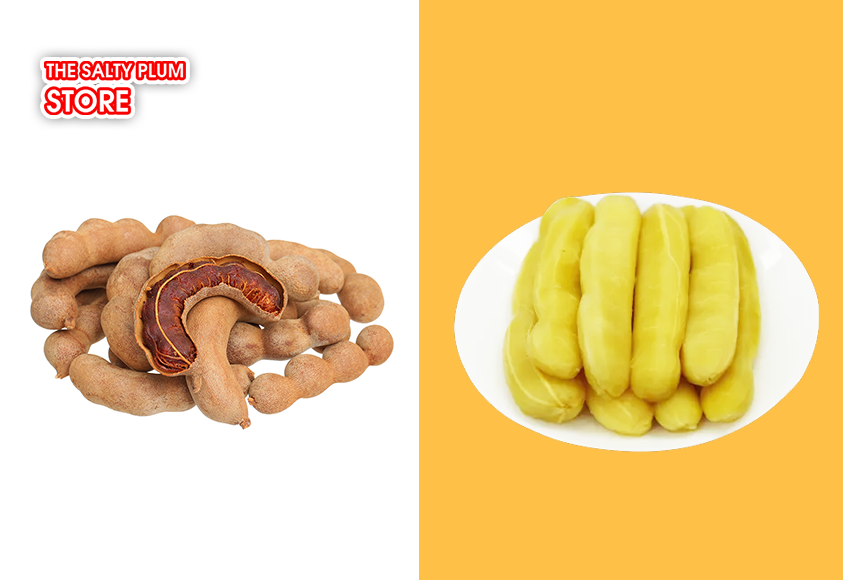
For busy cooks or those who want tamarind on hand year-round, dried tamarind is the smarter pick. But if you enjoy peeling pods and savoring the natural fruit, fresh tamarind gives a more authentic experience.
Ultimately, choosing between dried tamarind vs fresh depends on what you value most. If convenience, longer shelf life, and versatility are your priorities, dried tamarind will fit perfectly into your kitchen. If you prefer vibrant taste and maximum vitamin content, fresh tamarind is the way to go.
VI. Conclusion
Both forms of tamarind bring something special to the table. When it comes to dried tamarind vs fresh, fresh pods give you that juicy, tangy flavor packed with vitamin C, while dried tamarind offers convenience, longer shelf life, and concentrated antioxidants that make it a pantry essential. Instead of choosing just one, you might even enjoy having both on hand, fresh for snacking and drinks, dried for everyday cooking.
If you’re ready to add tamarind to your kitchen, check out The Salty Plum Store, where you can find high-quality dried tamarind and other unique treats. It’s the perfect place to stock up on authentic flavors that make your meals both healthier and tastier.