




Dried tamarind is a unique ingredient that has captivated kitchens around the world with its bold sweet-and-sour flavor. With a taste often described as a mix of lemon, dates, and caramel, this sticky, dark-brown pulp brings a refreshing tang that elevates both traditional and modern recipes. From Indian curries to Thai soups and Mexican candies, dried tamarind has long been treasured as a versatile culinary essential.
Beyond its role as a flavorful souring agent, dried tamarind is also gaining attention for its nutritional value and potential health benefits. Packed with natural sugars, fiber, vitamins, and minerals, it offers both taste and wellness in every bite. Whether you’re a food lover exploring new flavors or someone looking for nutritious additions to your diet, dried tamarind is a natural choice worth discovering.
I. What Is Dried Tamarind?
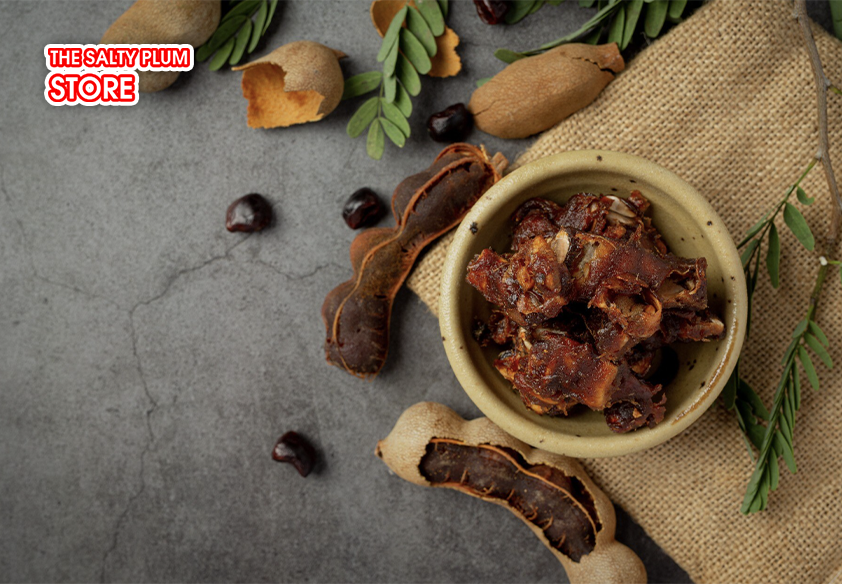
Dried tamarind comes from the pod of the tamarind tree, which produces long, bean-like fruit with a brittle outer shell. When dried, the pod reveals a sticky, dark brown pulp that clings to the seeds inside. This pulp is the edible part, rich in flavor and widely used across global cuisines.
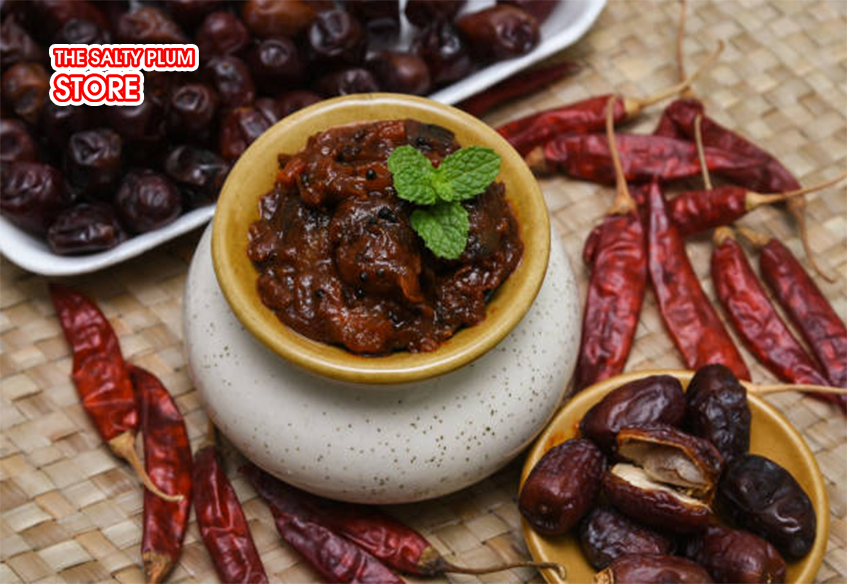
The taste of dried tamarind is both complex and distinctive, tangy, sour, and slightly sweet, with hints of caramel and dried fruit. This unique balance makes it a natural ingredient for enhancing savory dishes, beverages, and even desserts.
II. Dried Tamarind Nutrition Facts
Dried tamarind is more than just a flavorful ingredient—it also provides a valuable range of nutrients. A typical serving (about 100 grams of pulp) contains approximately:
- Calories: 239 kcal
- Carbohydrates: 57.5 g
- Sugars: 57.4 g
- Protein: 2.8 g
- Fiber: significant content that supports digestion
- Fat: less than 1 g, with very little unhealthy fat
In addition to macronutrients, dried tamarind offers important vitamins and minerals. It is a good source of vitamin C, known for boosting immunity, and contains several B vitamins that support energy metabolism. Minerals like potassium and magnesium help regulate blood pressure, nerve function, and muscle health.
The naturally high sugar and carbohydrate levels make dried tamarind a quick energy booster, while its fiber content promotes healthy digestion and bowel regularity. Combined with antioxidants and essential micronutrients, dried tamarind stands out as both a culinary enhancer and a nutritious addition to the diet.
III. Health Benefits of Dried Tamarind
Dried tamarind is not only valued for its distinctive flavor but also for the wide range of health benefits it can provide. When consumed in moderation, it contributes positively to overall wellness in several ways:
1. Rich in Antioxidants
- The pulp contains powerful natural compounds that help fight free radicals and protect cells from damage.
- This antioxidant action supports skin health and reduces the risk of chronic diseases.
- Adding tamarind to your diet can help your body combat daily oxidative stress.
2. Supports Digestive Health
- With its high fiber content, dried tamarind aids digestion and helps prevent constipation.
- Its natural acids gently stimulate the digestive system.
- Regular use promotes smoother and more comfortable bowel movements.
3. Heart Health
- Rich in potassium and magnesium, tamarind supports normal blood pressure levels.
- These minerals also aid in maintaining steady heart rhythms.
- Over time, it contributes to better cardiovascular wellness.

4. Boosts Immunity
- Tamarind is a great source of vitamin C, a key nutrient for immune defense.
- It helps your body fight infections and recover faster from illnesses.
- Including it in meals can naturally strengthen your overall resistance.
5. Detox and Gentle Laxative Effect
- Tartaric acid in dried tamarind has a mild, natural cleansing effect.
- It helps the body eliminate waste and toxins effectively.
- This gentle detox property supports a healthier, more balanced system.
IV. How to Use Dried Tamarind in Cooking
Dried tamarind is a versatile ingredient that can be incorporated into countless dishes, from savory curries to refreshing drinks. Here are some of the most common and delicious ways to use it:
- Make Tamarind Paste: Soak dried tamarind pulp in warm water, then strain to extract a concentrated paste. This paste serves as the foundation for many sauces, marinades, and stews.
- Chutneys & Sauces: Its sweet-and-sour flavor is ideal for chutneys, dips, and dipping sauces, especially in Indian and Southeast Asian cuisine. Tamarind balances savory spices and adds depth to condiments.
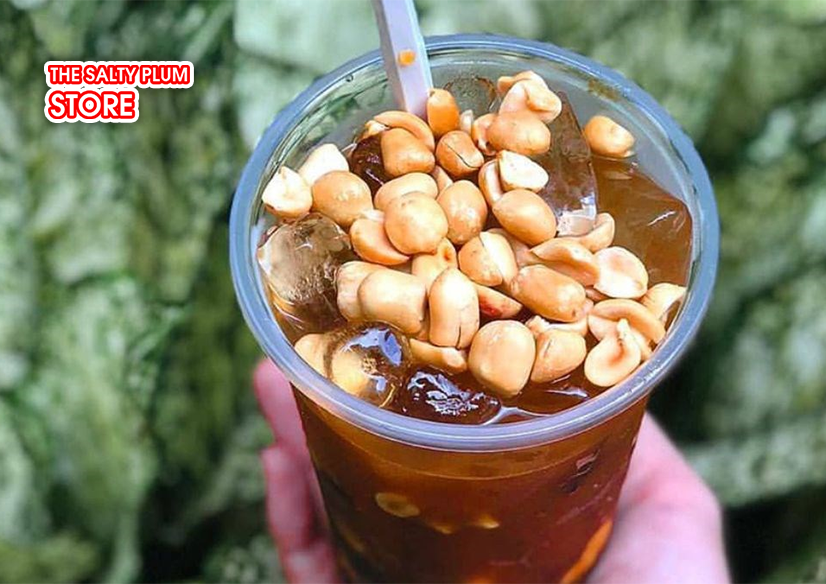
- Beverages: Rehydrate the pulp and mix it with water, sugar, and spices to create tamarind juice or chilled drinks. In many tropical regions, tamarind beverages are prized for their refreshing, sweet-tangy taste.
- Stews & Curries: Add tamarind pulp while cooking stews or curries to infuse the dish with a subtle tanginess that enhances rich flavors without overpowering them.
- Marinades for Meats & Seafood: Tamarind works as both a tenderizer and a flavor enhancer. Its natural acids break down proteins while imparting a fruity sourness that pairs beautifully with grilled or roasted dishes.
- Soups: Tamarind makes an excellent souring agent in soups, either replacing or complementing lemon or vinegar. It adds brightness and a layered tanginess to broths and soups like the popular Southeast Asian “canh chua.”
By experimenting with dried tamarind in different recipes, you can bring authentic global flavors into your kitchen while enjoying its unique balance of sweet and sour.
V. Storage & Buying Tips
To get the best quality and flavor from dried tamarind, it’s important to know how to choose and store it properly:
1. How to Choose
Look for tamarind that has a deep brown color, a sticky but firm texture, and no signs of mold or excessive dryness. Avoid products with added preservatives or artificial coloring if possible.
2. Storage Tips
- Whole pods or compressed blocks: Store them in a cool, dry, and well-ventilated place, away from direct sunlight. Properly stored, they can last for several months.
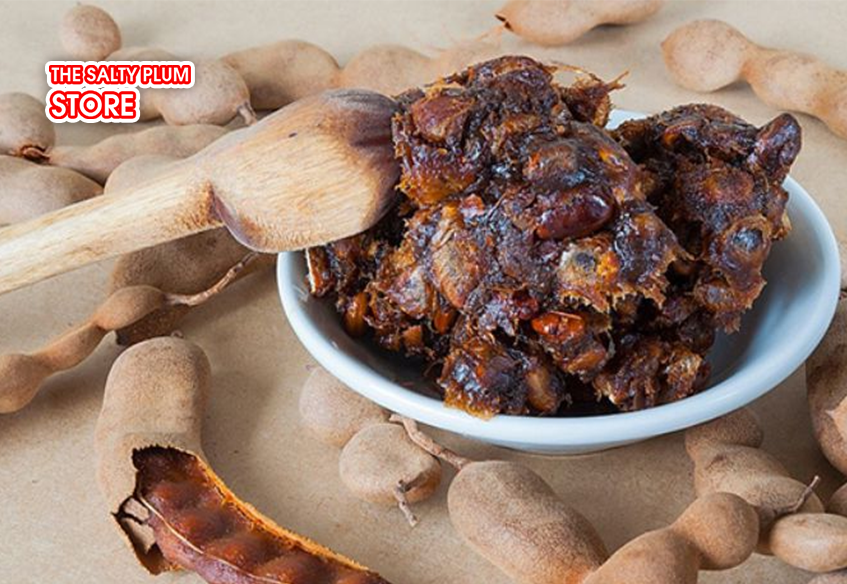
- Tamarind paste: Keep it in an airtight container in the refrigerator, where it will stay fresh for a few weeks. For longer storage, you can freeze small portions and thaw as needed.
3. Where to Buy
Dried tamarind is widely available at Asian grocery stores, international supermarkets, and online marketplaces. Specialty shops such as The Salty Plum Store also carry high-quality tamarind products that are perfect for both everyday cooking and gourmet recipes.
By selecting the right product and storing it properly, you can ensure that dried tamarind remains flavorful and ready to enhance your favorite dishes anytime.
VI. Conclusion
Dried tamarind is more than just a kitchen staple, it is a flavorful ingredient with meaningful nutritional and health benefits. Its sweet-and-sour profile makes it indispensable in many global cuisines, while its fiber, vitamins, and minerals support digestion, immunity, and overall wellness.
Incorporating dried tamarind into your meals is an easy way to enrich your diet with both taste and nourishment. From soups and curries to refreshing drinks and marinades, it adds a unique tang that few other ingredients can replicate.