




Plums and prunes come from the same fruit, but the difference lies in how they’re prepared. Fresh plums are juicy and refreshing, while dried prunes are rich, sweet, and packed with fiber and nutrients. The drying process changes not only their taste and texture but also their nutritional profile and shelf life.
If you’re wondering which option fits your diet and lifestyle better a light, low-calorie fruit or a convenient, nutrient-dense snack this article will help you compare their nutrition, health benefits, and best ways to enjoy each.
I. What Are Fresh Prunes vs Dried Prunes?
Although fresh prunes and dried prunes come from the same fruit, they differ greatly in water content, flavor, nutrition, and storage life.
1. Fresh Prunes
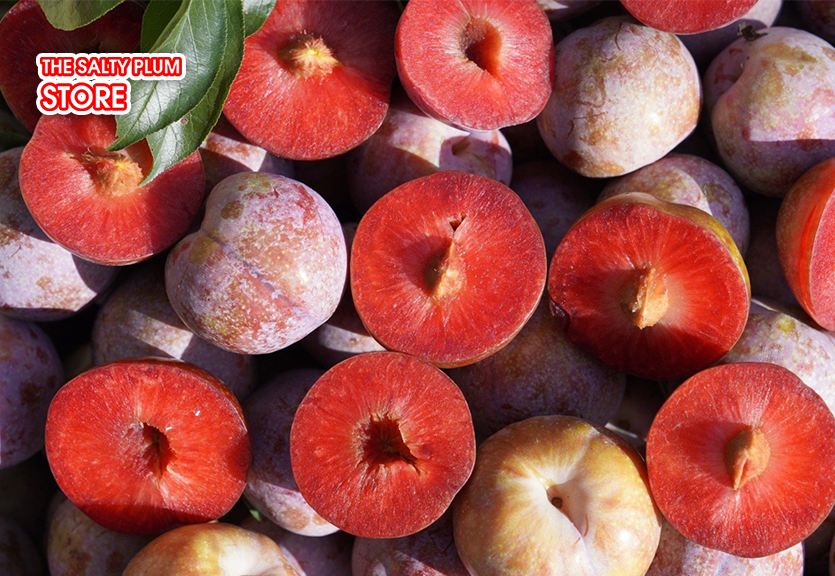
Fresh prunes, often referred to as fresh plums, contain a very high water content of about 85-90%. This makes them juicy, refreshing, and naturally hydrating. Their flavor is typically sweet with a slight tartness, depending on ripeness, and they are particularly rich in vitamin C, which supports immune health and skin vitality. However, because of this high water content, fresh prunes are highly perishable.
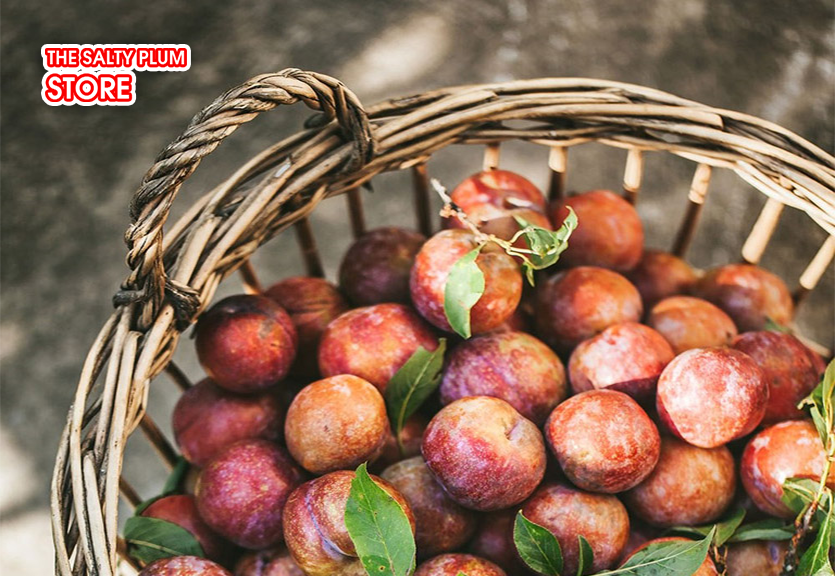
They usually last only 7-10 days in the refrigerator before beginning to soften, lose flavor, and eventually spoil. This short shelf life makes them best suited for immediate consumption after purchase or harvest.
2. Dried Prunes
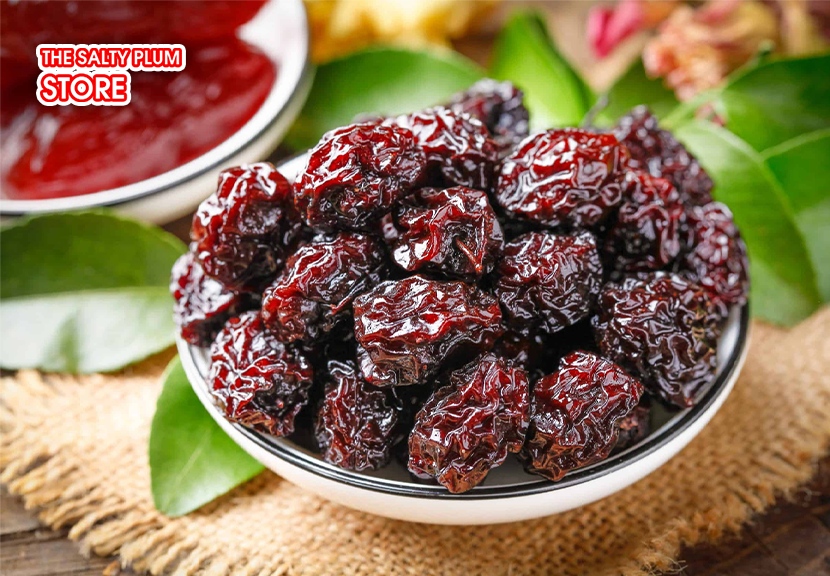
Dried prunes are made by removing approximately 80-90% of the water content from fresh prunes, usually through sun-drying, oven-drying, or advanced freeze-drying methods. This process concentrates not only their flavor, making them much sweeter and denser, but also their nutrients.
Dried prunes are especially rich in dietary fiber, sorbitol (a natural sugar alcohol that acts as a mild laxative), and a range of concentrated vitamins and minerals such as vitamin K, potassium, and antioxidants. Unlike fresh prunes, dried prunes have a significantly longer shelf life.
When properly packaged, they can be stored for 6–12 months at room temperature, or even longer if refrigerated. This makes them a convenient, year-round option for snacking and cooking.
3. Quick Comparison
- Origin: Both come from the same fruit.
- Structure: Fresh = high water, light; Dried = dense, chewy.
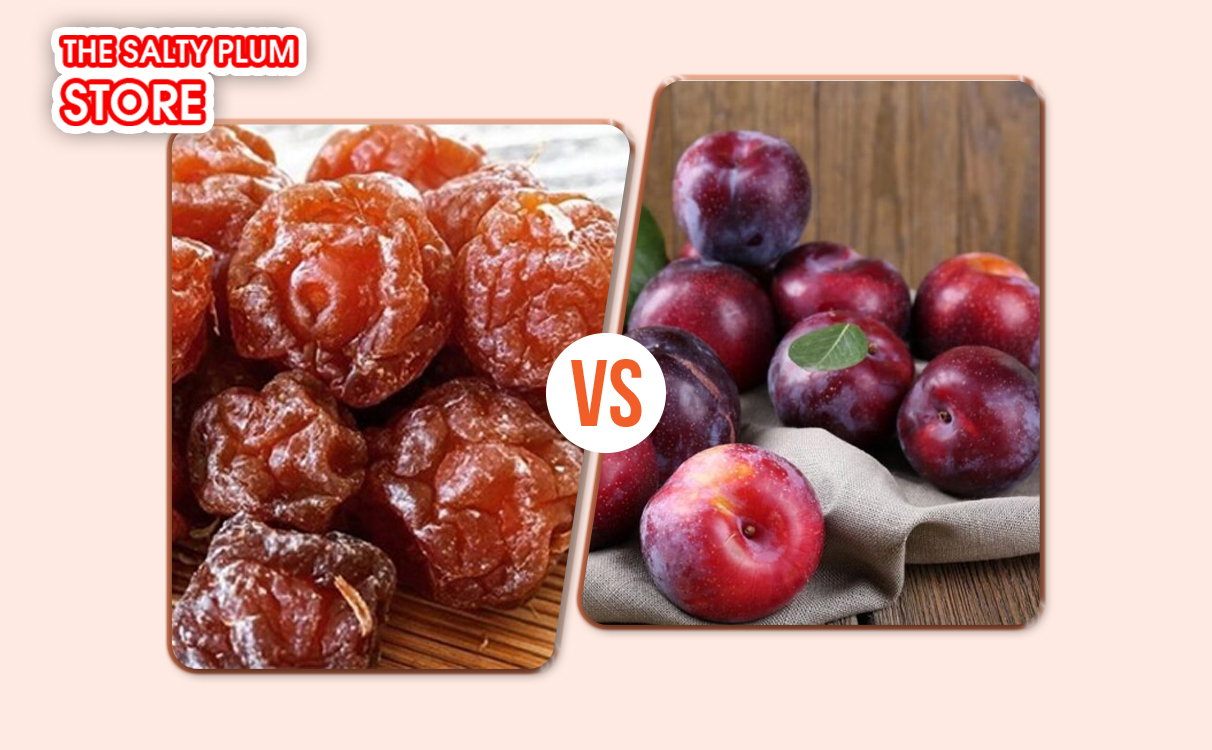
- Nutrition: Fresh = lower calories, high vitamin C; Dried = high fiber, sorbitol, and concentrated nutrients.
- Storage: Fresh = short-term; Dried = long-term and convenient.
II. Nutritional Comparison: Dried Prune vs Fresh Prune
When comparing dried prune vs fresh prune, the nutritional differences are quite striking. The drying process concentrates certain nutrients while reducing others, resulting in two very different profiles.
1. Calories & Energy
- Dried prunes: About 240–260 kcal per 100 g. Because water is removed, the energy density increases, making them a quick and efficient source of calories.
- Fresh prunes: Around 46 kcal per 100 g. Their high water content makes them light and low in calories.
- Key takeaway: Dried prunes are excellent for an energy boost, while fresh prunes are better suited as a low-calorie snack.
2. Fiber
- Dried prunes: Provide 7–8 g of fiber per 100 g, both soluble and insoluble.
- Fresh prunes: Contain only 1.4–2 g of fiber per 100 g.
- Key takeaway: The higher fiber in dried prunes promotes healthy digestion, prevents constipation, and helps regulate blood sugar levels.
3. Sugar
- Dried prunes: Approximately 38–40 g of natural sugars per 100 g (mainly fructose, glucose, and sorbitol).
- Fresh prunes: About 9–10 g of sugar per 100 g.
- Key takeaway: While dried prunes are naturally sweeter and higher in sugar, their fiber slows absorption. Fresh prunes may be a safer everyday option for those with diabetes, though dried prunes can still be enjoyed in moderation.
4. Vitamins & Minerals
- Dried prunes: Rich in vitamin A, vitamin K, B vitamins, potassium, magnesium, and polyphenols. These compounds are more concentrated due to water loss.
- Fresh prunes: Provide a higher amount of vitamin C, though it degrades quickly after harvest.
- Key takeaway: Dried prunes deliver concentrated nutrients and antioxidants, while fresh prunes shine in vitamin C content.
👉 Grab your nutrient-packed Dried Prunes now at The Salty Plum Store, healthy snacking made delicious!
III. Health Benefits & Risks for Each
1. Dried Prunes
Benefits:
- Promote bowel regularity and help relieve constipation thanks to their high fiber and sorbitol content.
- May help lower cholesterol and improve heart health.
- Rich in antioxidants that protect against oxidative stress and support overall immunity.
- Provide a feeling of fullness, which can assist with appetite control.
Risks:
- Contain a high amount of natural sugars, which can lead to weight gain or spikes in blood sugar if consumed excessively.
- Overeating may also cause digestive discomfort such as bloating or gas.
2. Fresh Prunes
Benefits:
- Low in calories, making them an excellent choice for weight management.
- Hydrating and refreshing due to their high water content.
- High in vitamin C, which supports immunity, collagen production, and skin health.
Risks:
- Short shelf life, making them less convenient for long-term storage or travel.
- May cause digestive upset (such as diarrhea) in some people if eaten in large amounts, due to their natural fructose.
IV. Flavor, Texture, Culinary Uses
When it comes to dried prune vs fresh prune, taste, texture, and versatility in the kitchen also set them apart.
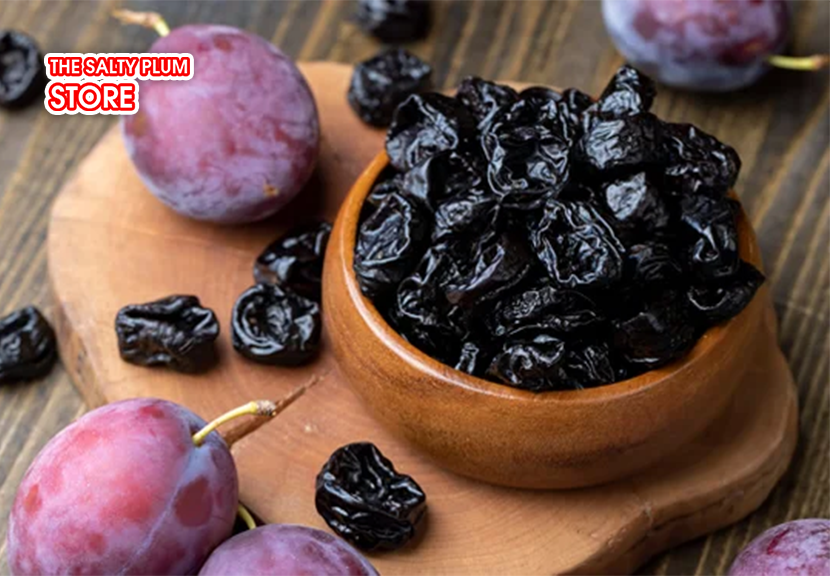
1. Flavor & Texture
- Fresh prunes: Juicy, mildly sweet, and slightly tart. Their refreshing taste makes them perfect for hot weather or as a light snack.
- Dried prunes: Intensely sweet, chewy, and a little sticky. The concentrated flavor is richer and more dessert-like compared to their fresh counterpart.
2. Culinary Uses
- Fresh prunes: Best enjoyed fresh on their own, but also versatile in simple recipes. They can be sliced into salads, blended into juices or smoothies, or cooked down into compote and jams.
- Dried prunes: Highly adaptable and convenient for cooking and baking. They work well as a quick snack, mixed with nuts or granola, added to oatmeal or yogurt, baked into breads and cakes, blended into smoothies, or even simmered in savory stews and sauces for a touch of natural sweetness.
3. Convenience & Storage
- Dried prunes: Compact, portable, and easy to store for long periods. They don’t require refrigeration and are perfect for traveling, hiking, or busy lifestyles.
- Fresh prunes: Taste best when eaten shortly after harvest. Their delicate texture and short shelf life make them less convenient for storage or transport.
V. Conclusion
The comparison between dried prune vs fresh prune shows that each variety offers its own distinct advantages. Dried prunes provide concentrated energy, abundant fiber, and valuable nutrients, making them a convenient and long-lasting option that particularly supports digestive health. Fresh prunes, on the other hand, are light, low in calories, and rich in vitamin C, offering a refreshing choice that works perfectly as a healthy snack during warm weather.
Ultimately, the better option depends on your personal needs: dried prunes suit those seeking extra fiber, portability, and sustained energy, while fresh prunes are ideal for anyone wanting a juicy, hydrating fruit. To maximize the benefits, consider enjoying both as part of a balanced diet, combining the freshness of one with the nutritional density of the other.