




When it comes to dried fruits, few debates spark as much curiosity as dried prune vs dried plum. Are they simply two names for the same fruit, or do they carry unique differences worth noting? This question often confuses shoppers scanning the snack aisle and health-conscious cooks searching for nutrient-packed ingredients. In this article, we’ll break down what makes a dried prune distinct from a dried plum, explore their nutritional profiles, and share practical ways to use both in your kitchen.
I. What Is a Dried Prune?
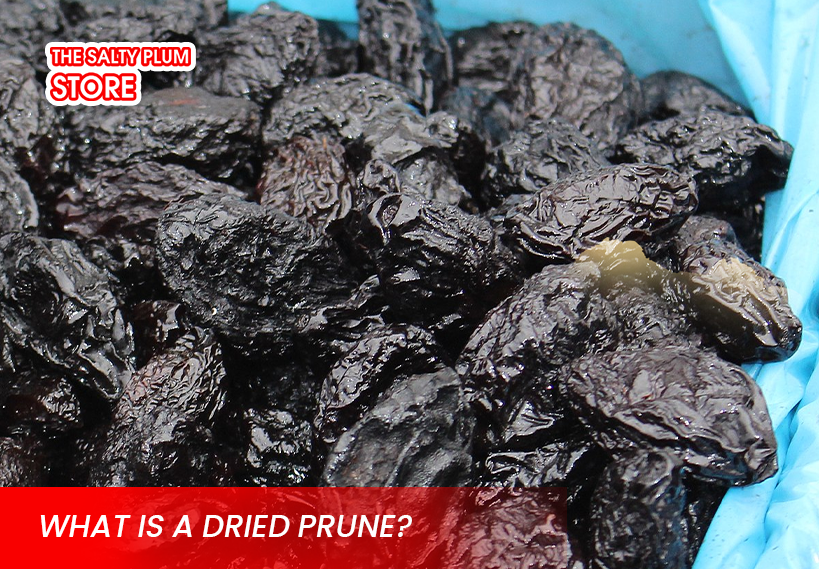
In discussions around dried prune vs dried plum, a dried prune is best understood as a specific type of dried plum made from plum varieties that are suitable for drying. These plums are harvested at full ripeness and then dehydrated to reduce moisture while preserving natural sweetness. The drying process concentrates the fruit’s flavor and gives dried prunes their soft texture and deep, dark color.
From a commercial and nutritional standpoint, the term “dried prune” is commonly used in the food and health industries, especially when referring to digestive benefits and fiber content. While all dried prunes come from plums, not all dried plums meet the standards required to be labeled as prunes. This distinction is one of the key points that often causes confusion when comparing dried prune vs dried plum.
II. What Is a Dried Plum?
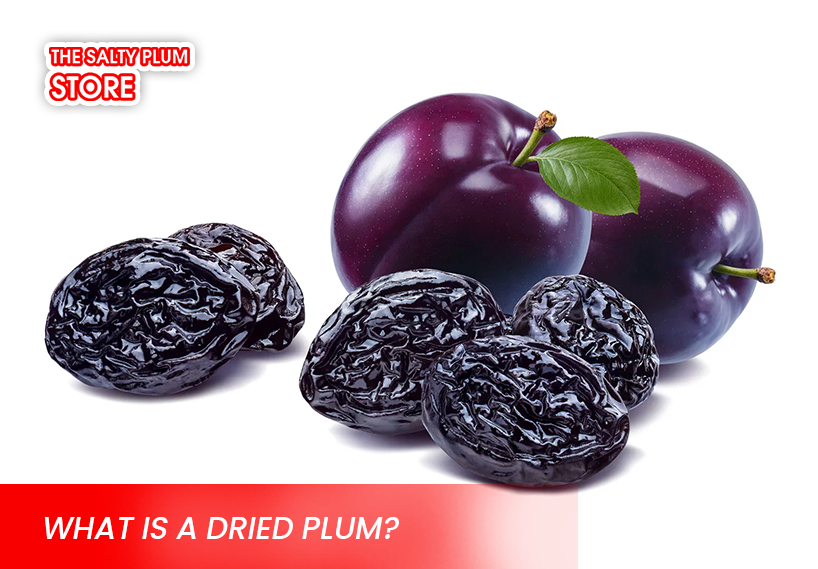
When comparing dried prune vs dried plum, a dried plum is the broader, more general term used to describe any plum that has been dried. It can refer to multiple plum varieties that undergo dehydration, either naturally or through controlled drying methods, to extend shelf life and intensify flavor. Dried plums may vary in size, color, sweetness, and texture depending on the type of plum used and the drying process applied.
In many markets, “dried plum” is often preferred as a consumer friendly label, especially for everyday snacking and cooking. From a practical perspective, dried plums and dried prunes can be the same product, but the naming emphasizes versatility rather than health related positioning. Understanding this usage helps clarify the real difference in dried prune vs dried plum discussions, particularly when reading labels or choosing ingredients for recipes.
III. Dried Prune vs Dried Plum: The Key Differences Explained
The debate around dried prune vs dried plum often comes down to terminology, variety, and consumer perception. While both are forms of dehydrated plums, there are subtle distinctions that set them apart. The table below highlights the key differences:
|
|
|
|
|
|
|
|
|
|
|
|
|
|
|
|
|
|
|
|
|
|
|
|
This comparison makes it clear that while prunes and dried plums share the same origin, their differences in variety, flavor, and marketing create distinct identities in the world of dried fruits.
IV. Nutritional Value: Prune vs Plum in Dried Form
When comparing dried prune vs dried plum, nutrition is one of the most important aspects to consider. Both provide concentrated vitamins, minerals, and antioxidants, yet their profiles differ slightly depending on the variety and drying process. The table below outlines the key nutritional values per 100 grams:
|
|
|
|
|
|
|
|
|
|
|
|
|
|
|
|
|
|
|
|
|
|
|
|
|
|
|
|
|
|
|
|
|
|
|
|
Key Takeaways:
- Dried prunes generally contain more fiber and potassium, making them especially beneficial for digestive health and heart function.
- Dried plums offer similar nutrients but with slightly fewer calories and sugars, depending on the type of plum used.
- Both are excellent sources of antioxidants that help combat oxidative stress and support overall wellness.
V. How to Use Dried Prunes and Dried Plums in Cooking
When it comes to everyday cooking, understanding how to use dried prunes and dried plums helps clarify the practical side of the dried prune vs dried plum discussion. Both ingredients are versatile, naturally sweet, and easy to incorporate into a wide range of dishes.
1. Using Dried Prunes in Cooking
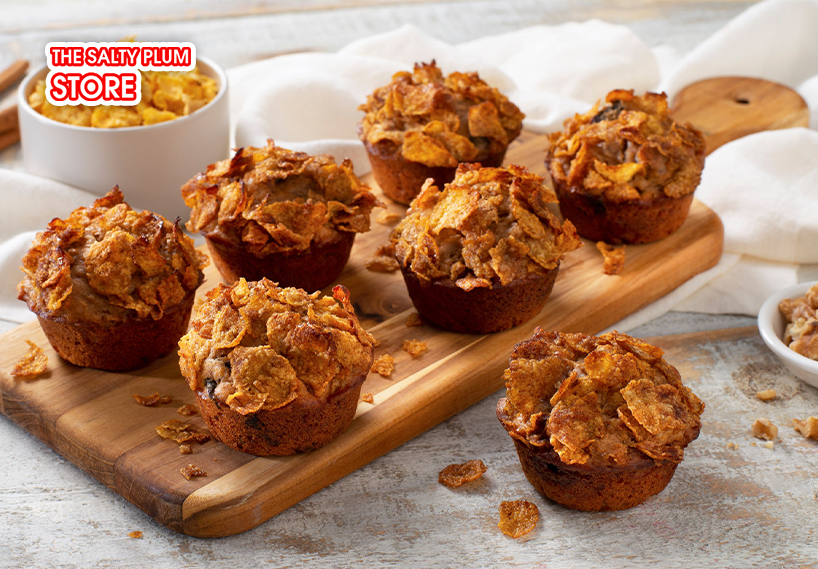
Dried prunes are commonly used in recipes where a soft texture and rich sweetness are desired. They work well in both sweet and savory dishes, especially slow-cooked meals. In baking, dried prunes can be chopped and added to cakes, muffins, and breads to enhance moisture and natural sweetness. In savory cooking, they are often paired with meats such as chicken, beef, or lamb to balance salty and savory flavors.
Dried prunes are also popular in beverages and sauces. They can be simmered into teas, blended into smoothies, or pureed to create natural sweeteners for sauces and dressings.
2. Using Dried Plums in Cooking
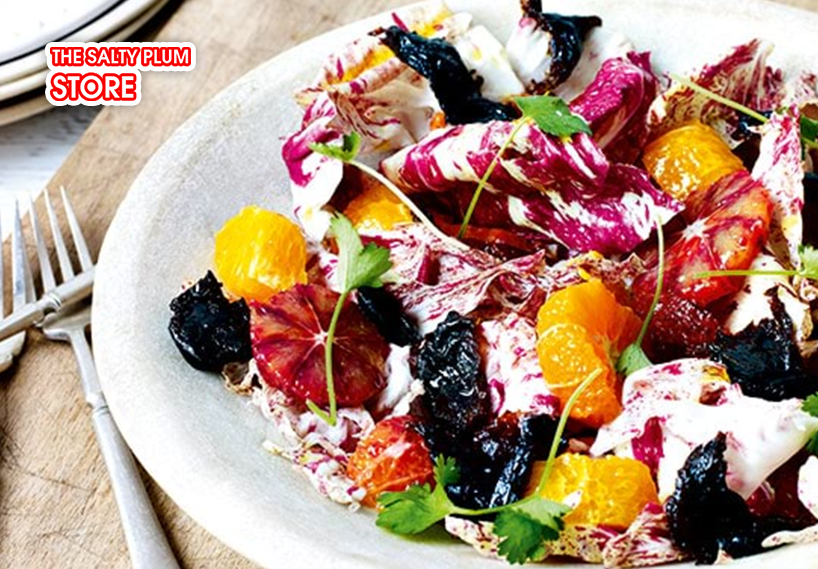
Dried plums are often chosen for their flexibility in texture and flavor. Depending on the variety, they may be slightly firmer or more tangy than dried prunes. This makes them suitable for snacks, salads, and grain-based dishes. Chopped dried plums add depth to rice, couscous, and quinoa, while sliced dried plums can be used as toppings for yogurt or oatmeal.
In many kitchens, dried plums are also used in sauces, chutneys, and desserts where a balanced sweet and sour profile is preferred. Their adaptable nature makes them a common choice for both Western and Asian inspired recipes.
3. Choosing Between Dried Prunes and Dried Plums for Recipes
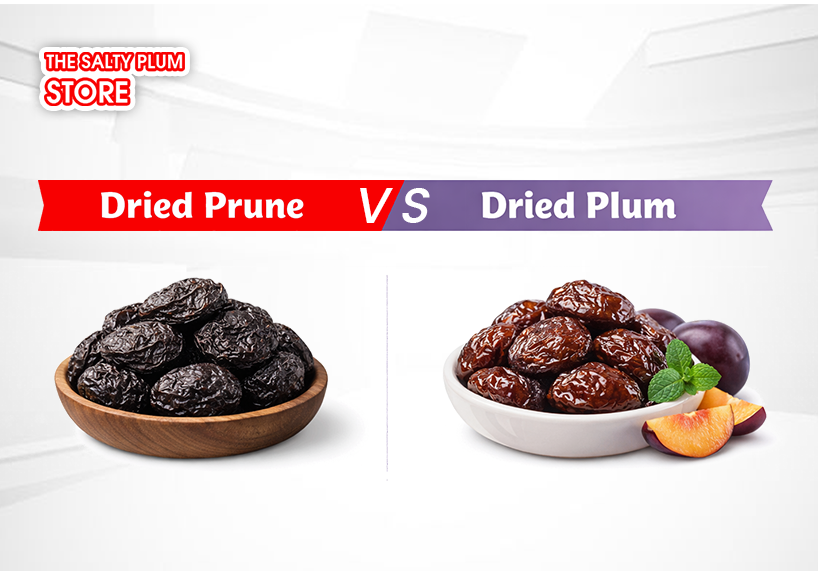
In most recipes, dried prunes and dried plums can be used interchangeably. The decision usually comes down to texture preference and labeling rather than a strict rule in cooking. From a culinary perspective, the dried prune vs dried plum difference matters less than how the ingredient complements the overall flavor and structure of the dish.
VI. Conclusion
In summary, the comparison of dried prune vs dried plum shows that they are closely related and often refer to the same fruit in dried form, with differences mainly in naming, standards, and usage context. Dried prunes are typically positioned around consistent quality and digestive benefits, while dried plums are marketed as a more general, versatile ingredient for everyday cooking and snacking.
Understanding this distinction helps you read labels more confidently and choose the right product for your dietary needs or recipes. Whether you prefer the health-focused appeal of dried prunes or the culinary flexibility of dried plums, both offer natural sweetness and valuable nutrients. If you are looking for high-quality options, you can find both dried prune and dried plum products available at The Salty Plum Store, making it easy to select the right choice for your kitchen and lifestyle.
Related Article: