




Dried olive paste is a simple but deeply flavorful ingredient that can elevate many home-cooked dishes. Made from dried olives blended with basic pantry staples, this paste delivers a rich, concentrated olive taste that works well in both everyday meals and special recipes. In this guide, you will learn how to prepare dried olive paste at home, what ingredients you need, and how to use it effectively in your cooking. Whether you are looking for a new spread, a cooking base, or a way to add depth to sauces and marinades, dried olive paste is a practical and versatile option worth mastering.
I. Ingredients for Dried Olive Paste
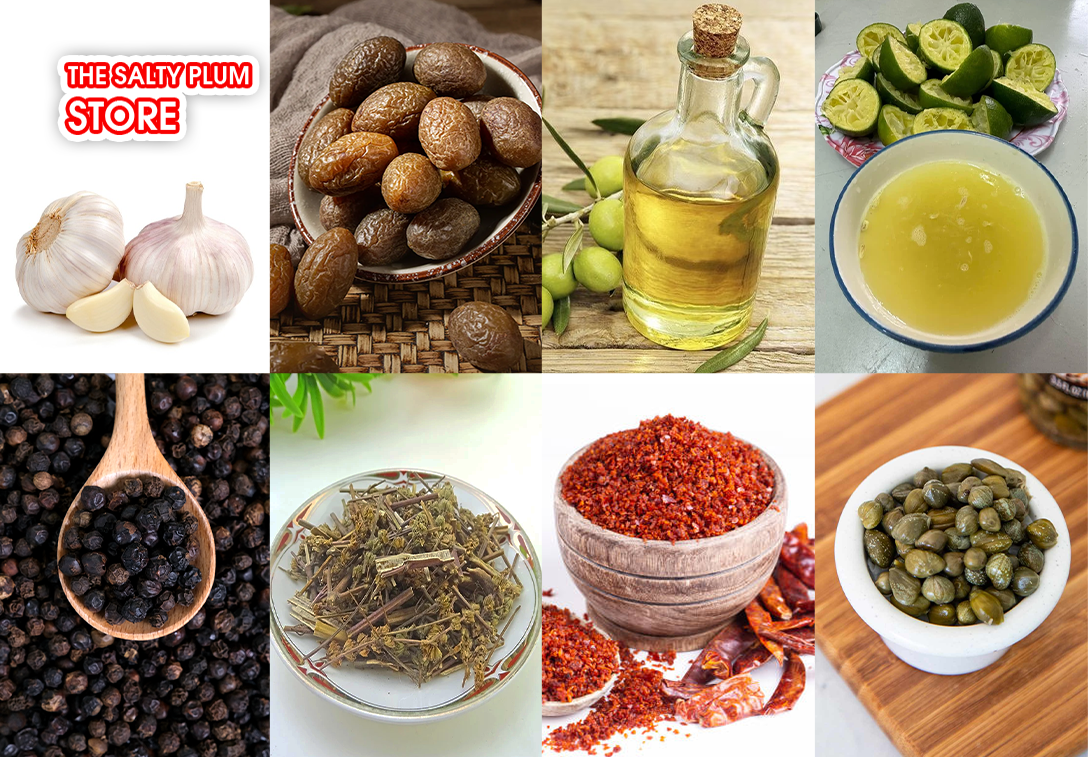
Use the measurements below to achieve a well-balanced dried olive paste with a smooth texture and concentrated flavor.
- 150 g dried olives, pitted
This is the base of the dried olive paste. Make sure the olives are fully dried and free from excess moisture. - About 4 to 5 tablespoons of high quality extra virgin olive oil
Adjust slightly depending on how thick or smooth you want the paste to be. - 2 cloves garlic, peeled
Provides depth without overpowering the olive flavor. - 1 tablespoon lemon juice or red wine vinegar
Adds acidity to balance the saltiness of the dried olives. - 1/4 teaspoon ground black pepper
Enhances flavor gently. - 1/2 teaspoon of dried oregano or thyme, depending on preference
Brings an earthy note that pairs well with dried olive paste. - Optional additions
- A pinch of chili flakes to add gentle heat
- 1 teaspoon chopped capers for extra savory depth
These quantities are suitable for a small batch of homemade dried olive paste and can be adjusted easily to match your taste preferences.
II. How to Make Dried Olive Paste Step by Step
Follow these simple steps to prepare dried olive paste at home. The process is straightforward and does not require advanced cooking skills.
Step 1: Soften the dried olives
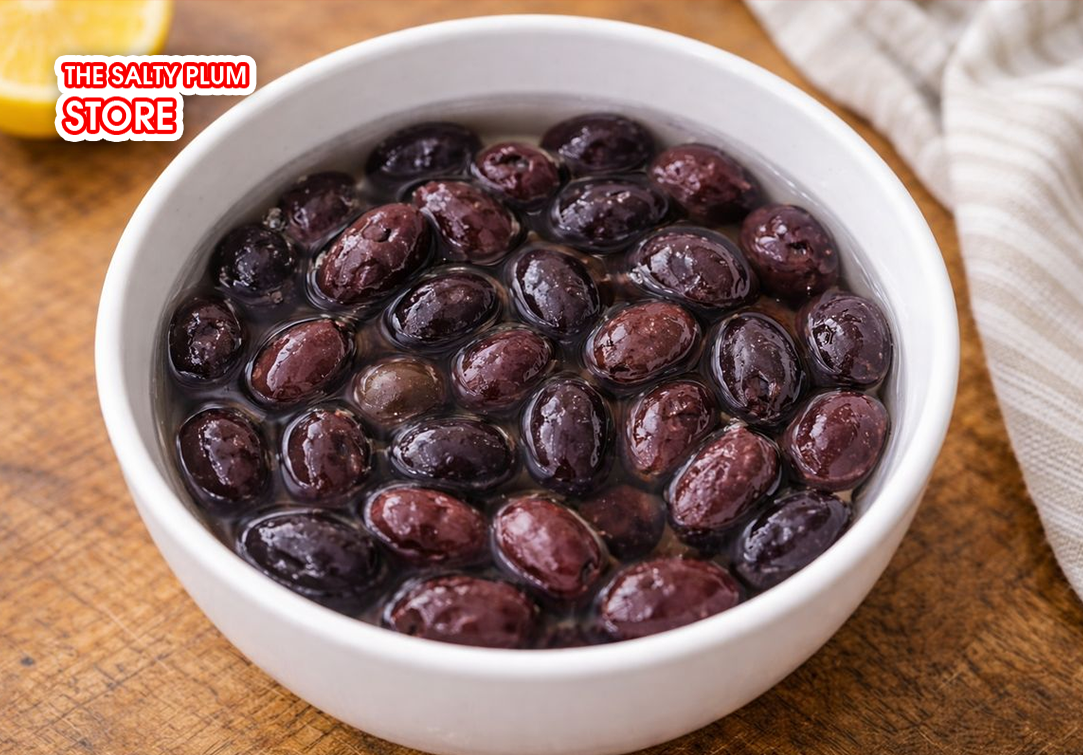
Place the dried olives in a bowl and cover them with warm water. Let them soak for 15 to 20 minutes until slightly softened. Drain the olives thoroughly, then blot them with paper towels until dry.
Step 2: Get all ingredients ready before blending
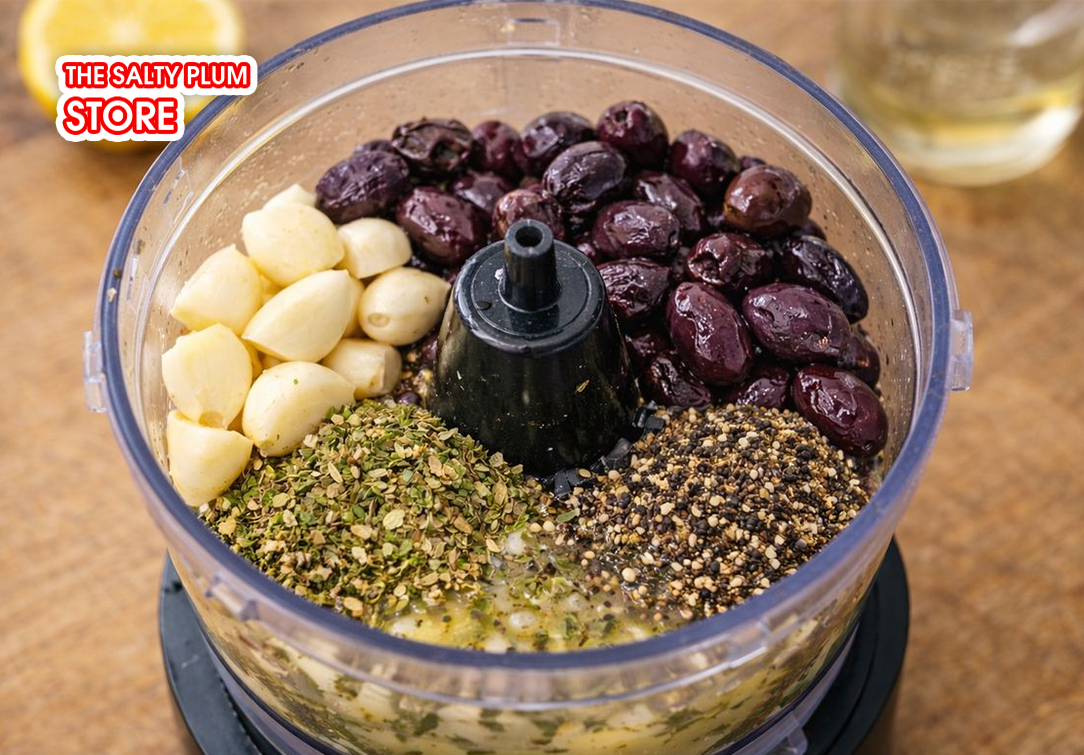
Peel the garlic cloves and measure all remaining ingredients. Having everything ready helps ensure a smooth blending process.
Step 3: Blend the olives
Add the dried olives to a food processor. Pulse a few times until the olives are finely chopped but not yet smooth.
Step 4: Add seasonings and oil
Add the garlic, dried herbs, black pepper, and lemon juice or vinegar to the processor. Drizzle in the olive oil gradually while blending, allowing the mixture to come together into a thick paste.
Step 5: Fine-tune the consistency and flavor
Pause the processor and clean the sides to ensure even blending. If the paste is too thick, add a small amount of olive oil, one teaspoon at a time. Sample the paste and adjust seasoning as necessary.
Step 6: Finish the paste
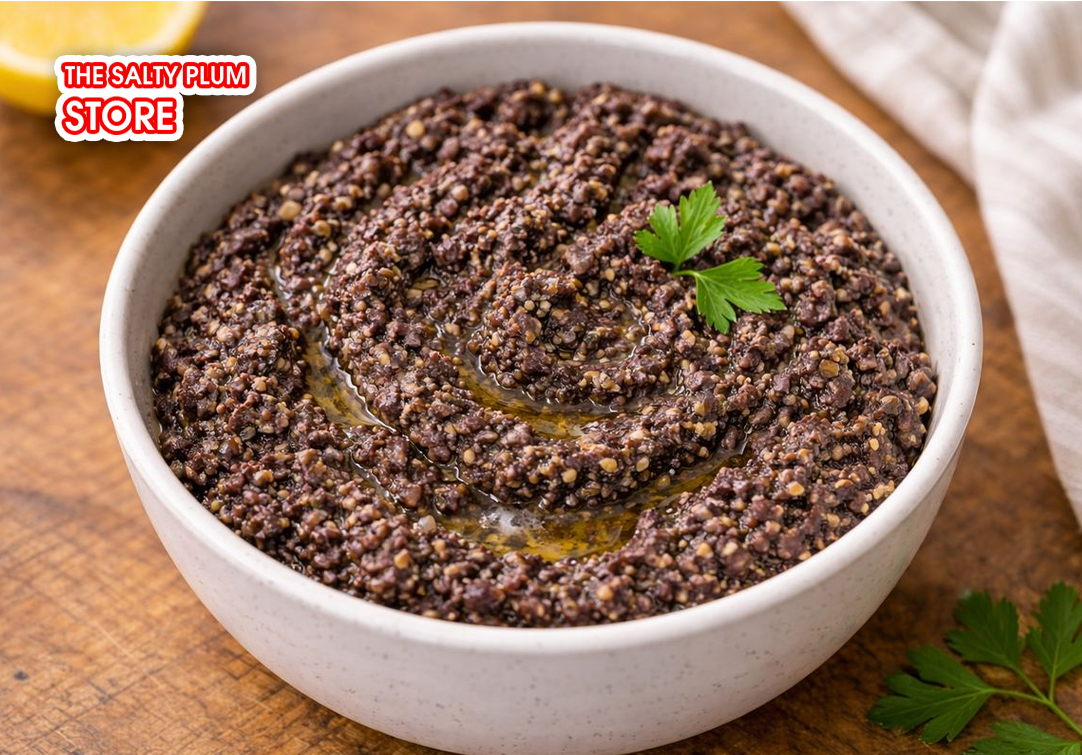
Blend once more until the dried olive paste is smooth but still has a bit of texture. Transfer to a clean bowl and use immediately or store for later use.
III. Tips for the Best Dried Olive Paste
Making a great dried olive paste is not only about following the recipe but also paying attention to small details. The tips below will help you achieve better flavor, texture, and consistency every time.
1. Choose high-quality dried olives
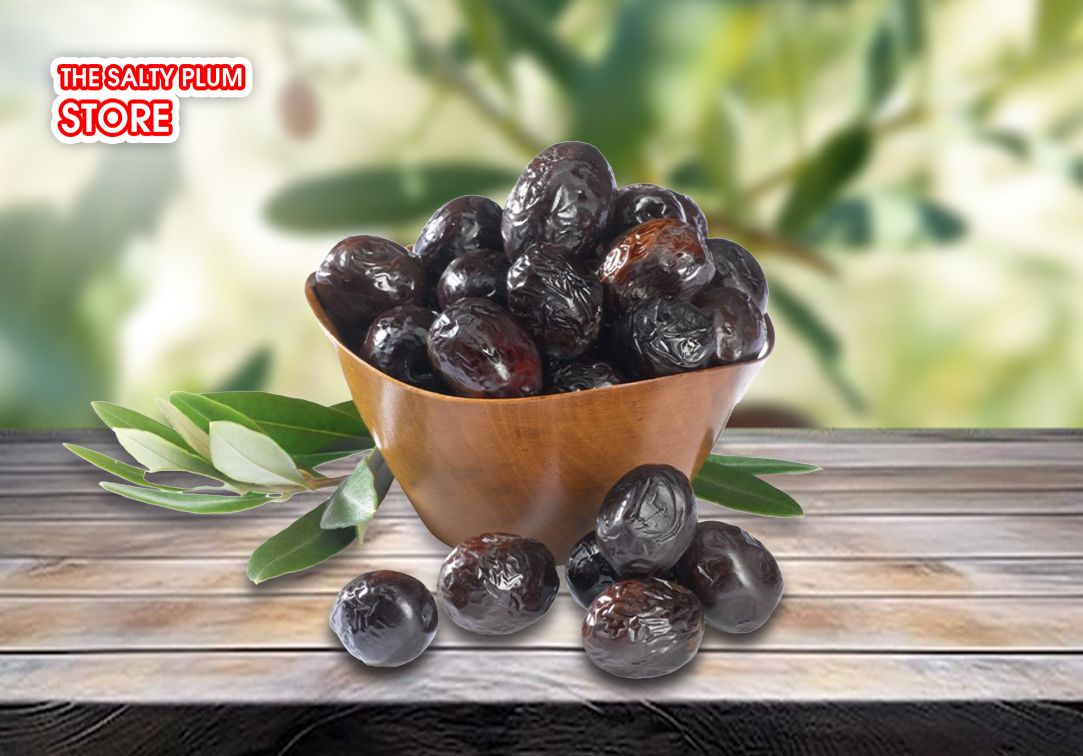
The final taste of dried olive paste depends heavily on the olives you use. Look for dried olives with a deep, natural color and a clean aroma. Avoid olives that smell musty or look overly shriveled, as they can make the paste bitter or flat in flavor.
2. Pay close attention to how long the olives are soaked
Soaking dried olives helps soften them, but soaking too long can dilute their flavor. Aim for just enough time to make them easier to blend while keeping their concentrated taste intact. Always drain thoroughly and dry them well before blending.
3. Balance saltiness and acidity
Dried olives are naturally salty. Taste the paste before adding extra salt, as it may not be needed at all. A small amount of lemon juice or vinegar can brighten the flavor and reduce the heavy saltiness without overpowering the olives.
IV. How to Use Dried Olive Paste in Recipes
Dried olive paste is a versatile ingredient that can be used in many everyday dishes. Its concentrated flavor means a small amount can make a big difference, especially when you want to add depth and a savory note to simple recipes.
1. Use as a spread or topping
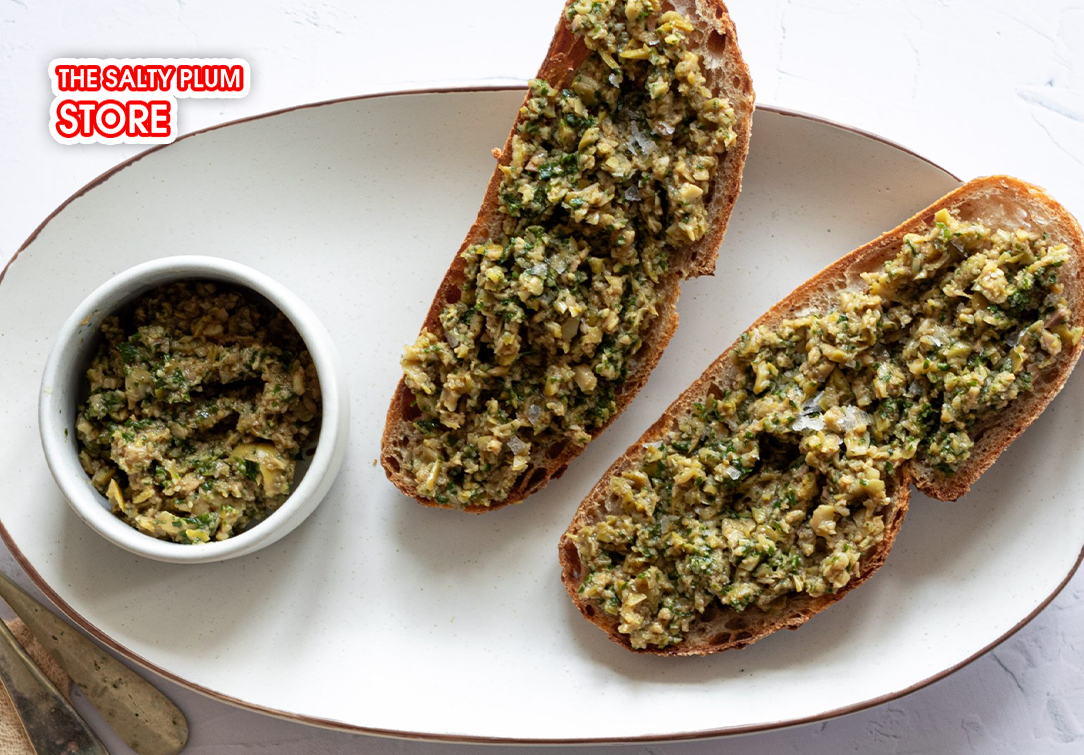
Dried olive paste works well as a spread on toasted bread, crackers, or flatbread. You can serve it on its own or mix it with a little olive oil for a smoother texture. It also pairs nicely with cheese boards, grilled vegetables, or roasted meats.
2. Stir into pasta and grains
Add dried olive paste to cooked pasta, risotto, or grain bowls such as couscous and quinoa. Stir it in at the final stage of cooking so the flavor stays bold and aromatic. This is an easy way to create a rich, olive-based sauce without extra ingredients.
3. Enhance sauces and dressings
Dried olive paste can be blended into tomato sauces, cream-based sauces, or vinaigrettes. It adds natural saltiness and umami, reducing the need for extra seasoning. Add a small amount first, then increase gradually based on taste.
4. Use in marinades
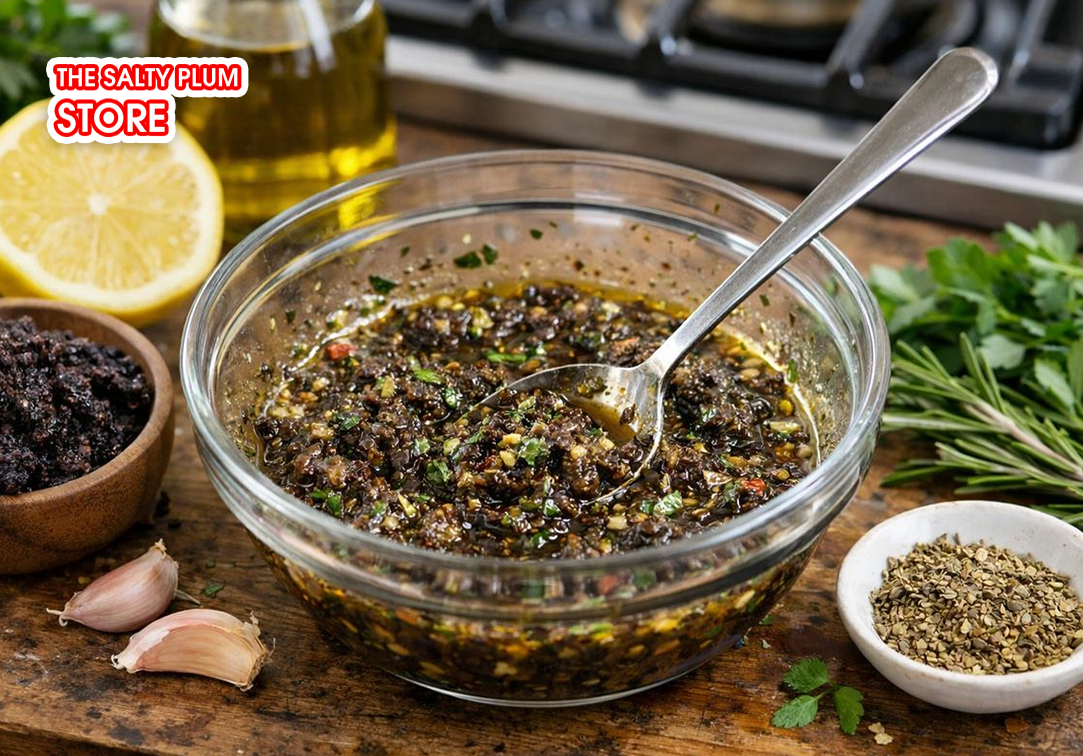
Mix dried olive paste with olive oil, lemon juice, and herbs to create a flavorful marinade for chicken, fish, or vegetables. The paste helps coat ingredients evenly and adds depth during cooking.
5. Add to baked dishes
Incorporate dried olive paste into savory baking recipes such as cake, savory muffins, or bread dough. It can also be spread thinly inside sandwiches or wraps for an extra layer of flavor.
Using dried olive paste in these ways allows you to experiment with different textures and dishes while keeping your cooking efficient and full of character.
V. Conclusion
Dried olive paste is a simple yet powerful ingredient that brings rich flavor and versatility to home cooking. With just a few basic ingredients and a clear step-by-step process, you can easily make dried olive paste that suits your taste and cooking style. From spreads and sauces to marinades and baked dishes, this paste offers many practical ways to enhance everyday recipes.
By choosing quality dried olives, paying attention to texture, and storing the paste properly, you can enjoy homemade dried olive paste whenever you need a quick boost of savory depth. Once you try making it at home, dried olive paste is likely to become a staple in your kitchen for both simple meals and more creative cooking.
Related article: