




Dried mango is often seen as a guilt-free treat, sweet, chewy, and bursting with tropical flavor. But have you ever paused to wonder what’s really inside those golden slices? Beyond the vibrant taste lies a mix of natural fruit, added sugars, preservatives, and nutrients that vary widely depending on how the mango is processed. In this blog, we’ll peel back the layers of dried mango ingredients to uncover what makes this snack nutritious. From core components to hidden additives, we’ll guide you through the nutritional facts, the impact of processing, and how to choose clean, wholesome dried mango products that align with your health goals.
I. Core Ingredients of Dried Mango
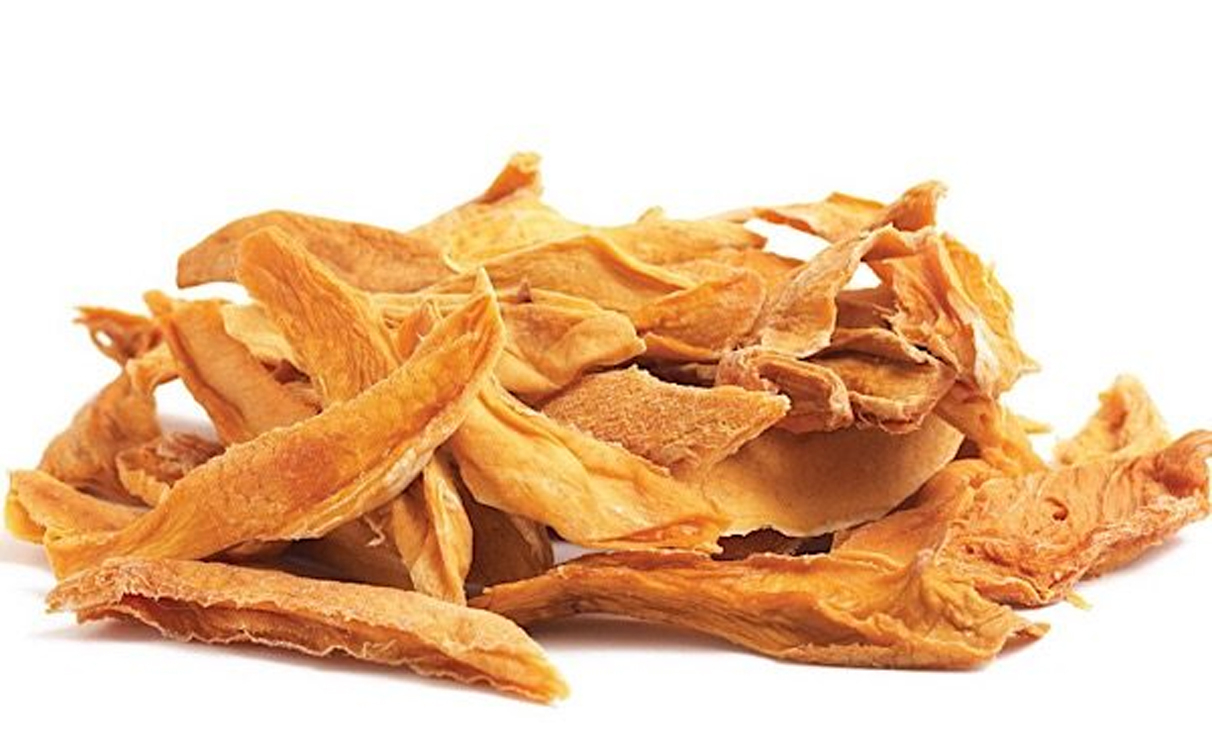
At its heart, dried mango should be simple: just mango. But depending on the brand and processing method, the list of dried mango ingredients can vary more than you might expect.
Here are the most common components found in dried mango products:
- Mango Fruit: The primary and most essential ingredient. High-quality dried mango is made from ripe, fresh mangoes that are sliced and dehydrated without additives.
- Sugar: Many commercial brands add sugar to enhance sweetness and extend shelf life. While it boosts flavor, it also increases calorie and carbohydrate content.
- Preservatives: Sulfur dioxide is often used to preserve color and prevent spoilage. However, some people may be sensitive to this additive.
- Citric Acid: Occasionally added to balance flavor and act as a preservative. It gives a slight tang and helps maintain freshness.
- Natural Flavorings or Colorings: Less common, but some products include these to intensify taste or appearance—especially in lower-grade varieties.
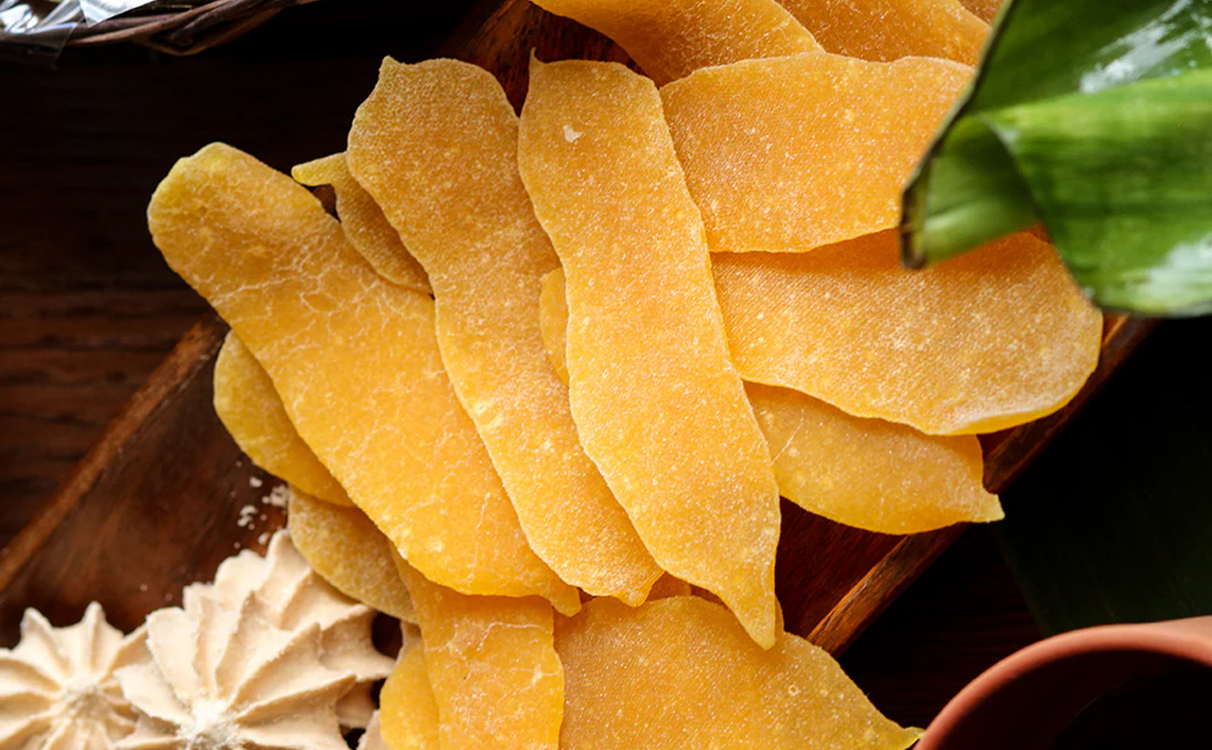
If you're aiming for a clean and healthy snack, always check the label. The best dried mango ingredients list should be short and recognizable, ideally just mango, with no added sugar or preservatives.
II. Nutritional Breakdown of Dried Mango
Understanding the nutritional value of dried mango starts with examining its core components. While the dried mango ingredients may seem straightforward, the drying process concentrates both nutrients and sugars, making it a snack that’s both energizing and calorie-dense.
Here’s a closer look at what you’re consuming in every bite:
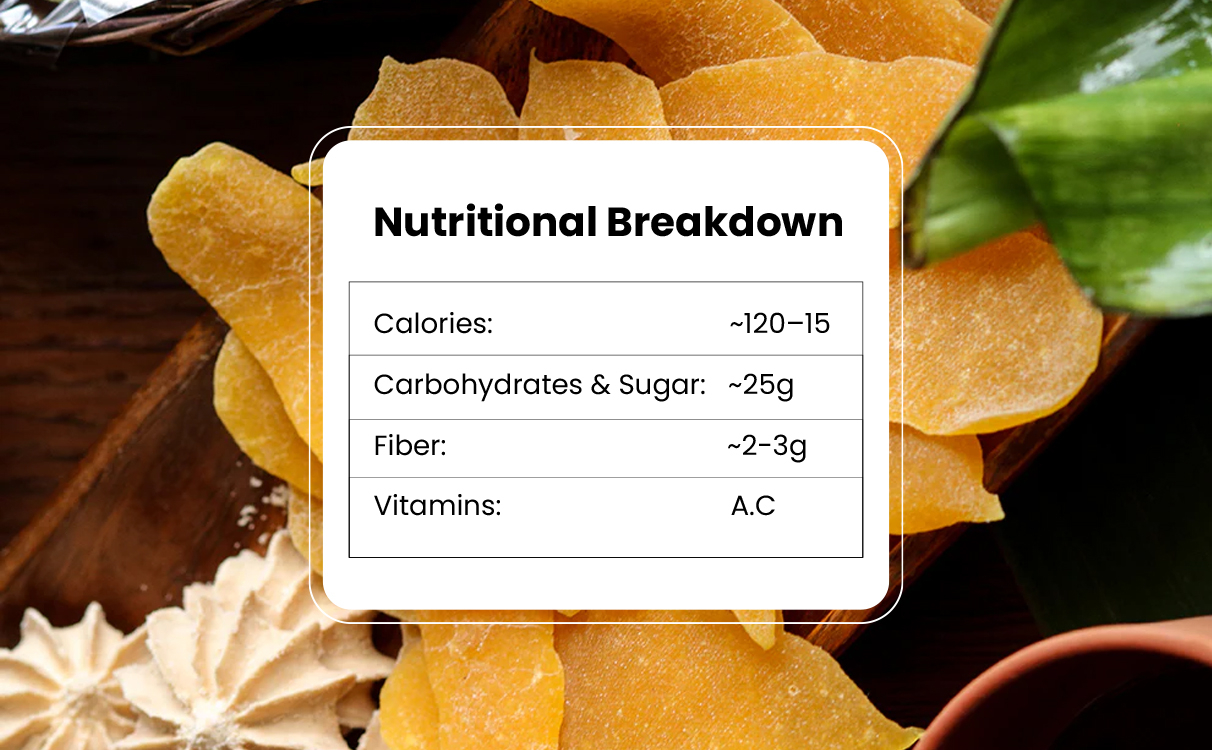
- Calories: Dried mango is relatively high in calories due to its concentrated sugars. A typical serving (about 40g) can contain 120–150 calories.
- Carbohydrates & Sugar: Naturally occurring fruit sugars are intensified during dehydration. If sugar is added during processing, the total sugar content can exceed 25g per serving.
- Fiber: Despite the sweetness, dried mango offers a decent amount of dietary fiber, around 2–3g per serving, which supports digestion and satiety.
- Vitamins: Dried mango retains some vitamin A and small amounts of vitamin C, though heat processing may reduce levels. Vitamin A supports eye health and immunity.
- Minerals: You’ll find trace amounts of potassium, calcium, and iron, depending on the mango variety and processing method.
- Fat & Protein: Dried mango is naturally low in fat and protein, making it a carb-heavy snack.
When evaluating dried mango ingredients, always check the nutrition label. Products with added sugar or preservatives may alter the health profile significantly. For a cleaner option, look for dried mango with no added sugar and minimal processing to preserve its natural nutrients.
III. How Processing Affects Ingredients
The journey from fresh mango to dried mango is more than just removing moisture; it’s a transformation that can significantly alter the nutritional profile and ingredient list. The way dried mango is processed plays a major role in determining which dried mango ingredients end up in your snack.
Here’s how different processing methods impact the final product:
- Dehydration Method: Traditional sun-drying or low-temperature dehydration tends to preserve more of the mango’s natural nutrients and flavor. However, commercial methods using high heat may degrade sensitive vitamins like vitamin C.
- Added Sugars: To enhance taste and shelf appeal, many manufacturers add cane sugar or glucose syrup during processing. This boosts sweetness but also increases calorie and carbohydrate content.
- Texture Enhancers: Some brands use additives like glycerin or citric acid to improve chewiness and flavor balance. These are not harmful in small amounts, but do make the ingredient list longer.
- Organic vs. Conventional Processing: Organic dried mango typically contains fewer additives and no synthetic preservatives, offering a cleaner ingredient profile.

In short, the more processed the mango, the more likely it is to contain extra ingredients beyond just fruit. If you're aiming for purity, look for dried mango ingredients that list only mango with no added sugar, no preservatives, and minimal interference from processing.
IV. How to Choose Clean Dried Mango Products
Not all dried mango is created equal. If you're aiming for a healthier snack, knowing how to identify clean dried mango products is key. The dried mango ingredients listed on the packaging can tell you everything you need to know if you know what to look for.
Here are some smart tips to help you choose wisely:
- Check the Ingredient List: The cleanest dried mango products will have just one ingredient: mango. Avoid products with added sugar, sulfur dioxide, or artificial flavorings.
- Look for “No Added Sugar” Labels: Many brands sweeten their dried mango to boost flavor, but this can spike your sugar intake. Choose options labeled “unsweetened” or “no added sugar” to keep it natural.
- Go Organic When Possible: Organic dried mango is typically processed with minimal intervention and fewer synthetic additives, resulting in cleaner dried mango ingredients.
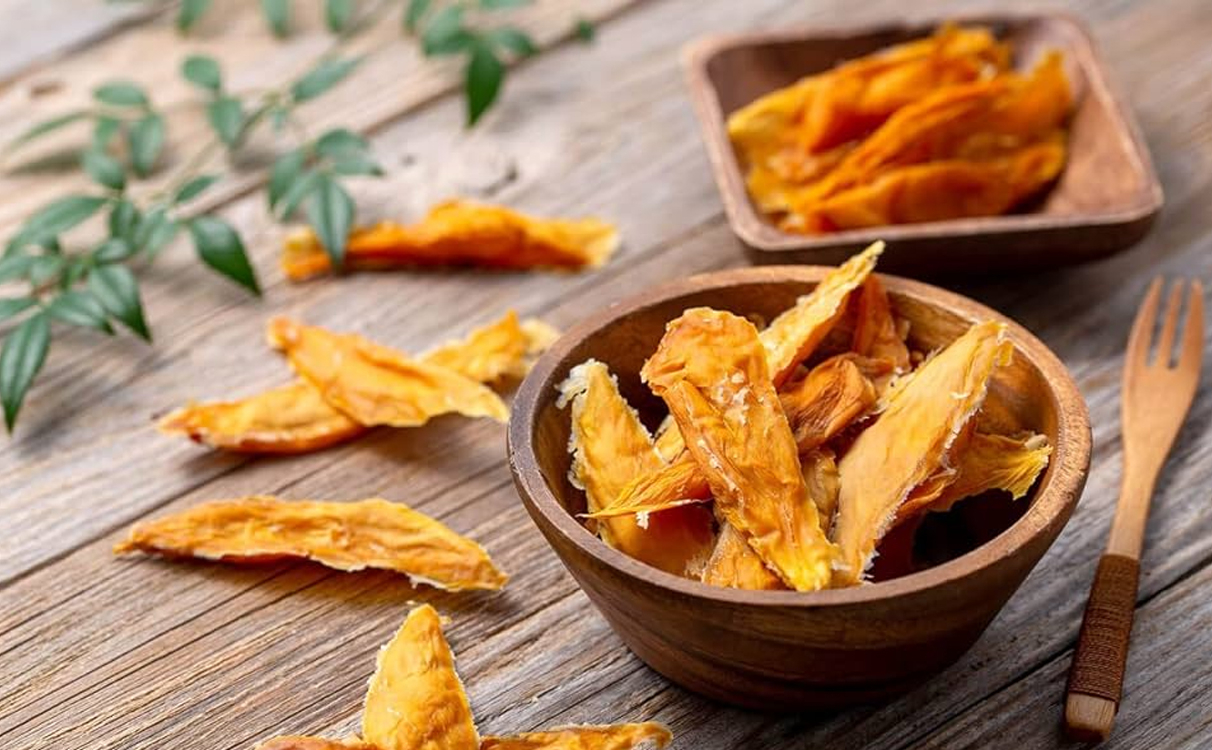
By paying close attention to the dried mango ingredients, you can enjoy a snack that’s not only delicious but also aligned with your health goals. Clean, simple, and naturally sweet—that’s the kind of dried mango worth savoring.
V. Conclusion
Dried mango is more than just a sweet snack; it’s a product shaped by its ingredients and processing. By understanding the dried mango ingredients, you can make smarter choices that align with your health goals and taste preferences. Whether you're watching your sugar intake, avoiding preservatives, or simply seeking the pure flavor of mango, the key is in the label.
If you're ready to upgrade your snacking game with clean, high-quality dried mango, head over to The Salty Plum Store. Their selection is curated with transparency and wellness in mind, so you know exactly what you're getting in every bite. Taste the difference that real ingredients make.