




Sweet, chewy, and irresistibly tropical, dried mango is a snack that feels like a treat and tastes like sunshine. But before you dive into the bag, it’s worth asking: how many calories are hiding in those golden slices? Whether you're counting macros, managing your sugar intake, or simply curious about your favorite dried fruit, understanding dried mango calories is key to making smarter snacking choices. In this guide, we’ll break down serving sizes, nutritional facts, health benefits, and tips for enjoying dried mango without overdoing it.
I. Dried Mango Calories: What’s Really Inside Your Snack
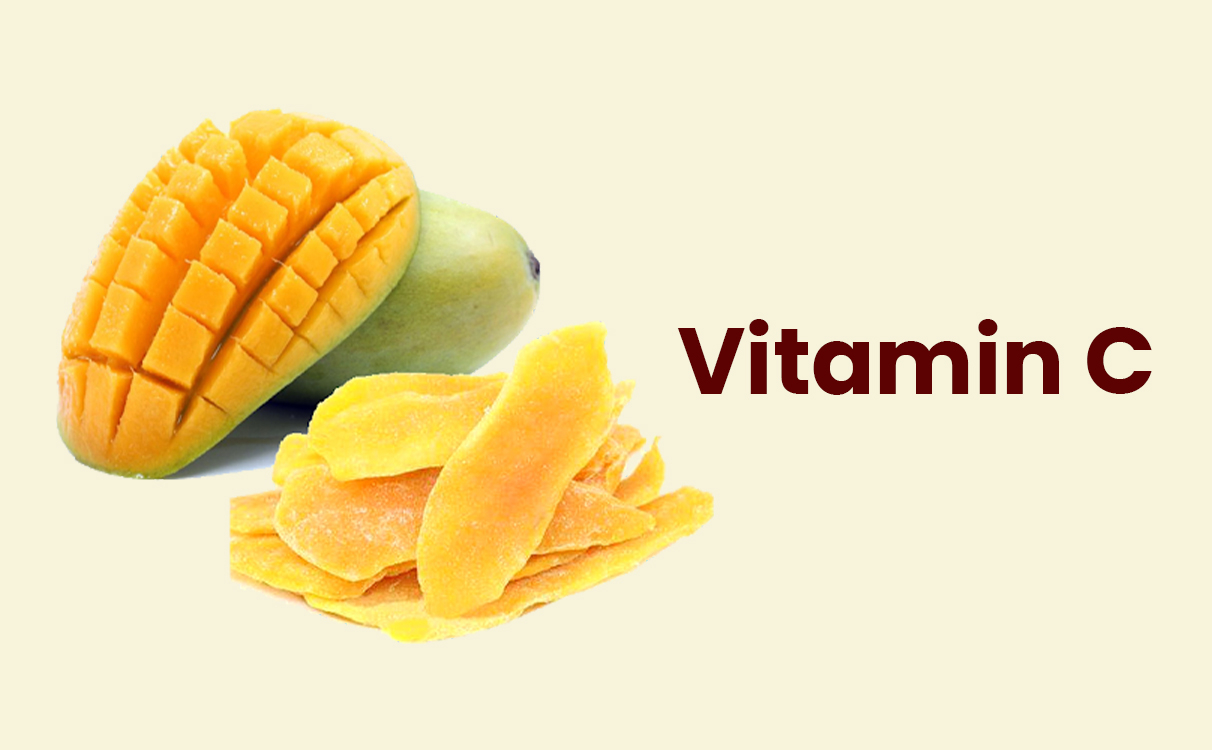
Like most dried fruits, dried mango is highly nutritious, but it’s also calorie-dense. When mango is dehydrated, its natural sugars and nutrients become more concentrated, making it a flavorful yet energy-packed snack.
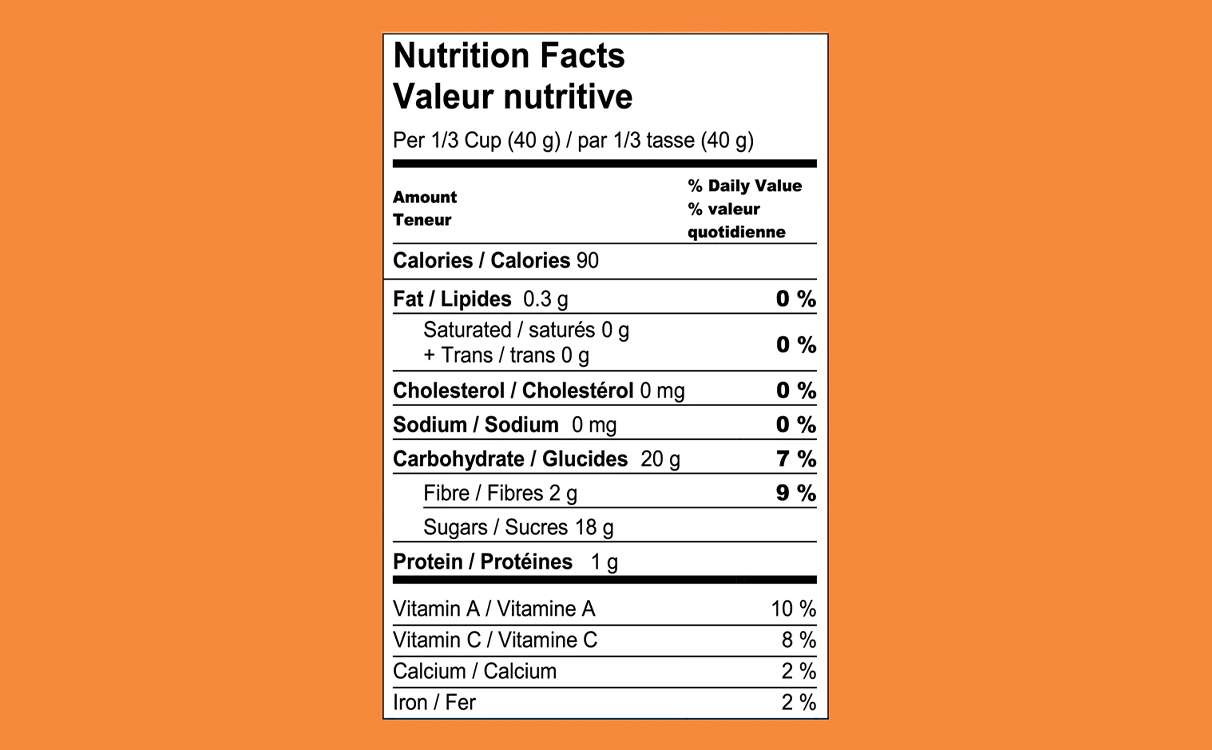
A typical serving size of dried mango, about 1/4 cup (40 grams or roughly 9 pieces), contains:
|
|
|
|
|
|
|
|
|
|
|
|
|
|
|
|
|
|
|
|
|
|
|
|
|
|
|
While 128 calories may seem modest, the 27 grams of sugar, mostly natural fructose, can add up quickly if you’re not careful with portions. That said, dried mango still offers valuable nutrients like vitamin C, folate, and a touch of vitamin A, making it more than just empty calories.
Understanding dried mango calories is the first step toward enjoying this tropical treat in a balanced way. Up next, we’ll explore how its nutritional profile contributes to your health, despite the sugar and calorie content.
II. Health Benefits Despite the Calories
While dried mango calories may seem high at first glance, this tropical snack offers a surprising number of health benefits that make it worth considering, especially when consumed mindfully.
1. Rich in Antioxidants
Despite the dried mango calories, this fruit retains a solid amount of vitamin C, which helps fight oxidative stress, supports immune function, and promotes healthy skin. Antioxidants in mangoes may also help reduce inflammation and protect against chronic diseases.

2. Natural Energy Boost
Thanks to its high carbohydrate content, dried mango provides a quick source of energy, perfect for pre-workout fuel or a mid-afternoon pick-me-up. The calories in dried mango come primarily from natural sugars, which are more easily digested than processed alternatives.
3. Supports Digestive Health
Although fiber content is lower than in fresh mango, dried mango still contributes to digestive health. Combined with its natural enzymes, it can help support gut function, especially when paired with other fiber-rich foods.

4. Convenient Source of Nutrients
One of the biggest advantages of dried mango calories is that they come bundled with essential nutrients like folate, vitamin A, and trace minerals. These support cell growth, vision, and immune health, making dried mango a smart choice when fresh fruit isn’t accessible.
5. Better Than Refined Snacks
When compared to processed snacks like candy or chips, dried mango calories are far more nutrient-dense. Choosing dried mango over ultra-processed options means you're getting real fruit with real benefits, even if the calorie count is similar.
In short, dried mango calories shouldn't scare you away. With the right portion size and a balanced diet, dried mango can be a flavorful way to nourish your body while satisfying your sweet tooth.
III. Tips for Smart Consumption
Dried mango can absolutely be part of a healthy diet, as long as you’re strategic about how you enjoy it. Here are some smart, practical tips to help you make the most of its flavor and nutrients without letting dried mango calories sneak up on you.
1. Watch Your Portion Size
Dried mango is easy to overeat because it’s compact, chewy, and naturally sweet. A standard serving size is about 1/4 cup (40 grams), which contains roughly 128 dried mango calories. To avoid overconsumption, try pre-portioning your snack into small containers or bags. Eating straight from a large package often leads to mindless snacking and unintended calorie overload.

2. Choose Unsweetened Varieties
Not all dried mango is created equal. Many commercial brands add refined sugar during the drying process to enhance sweetness and shelf life. This can significantly increase the dried mango calories per serving, sometimes by 50% or more. To keep your snack as clean and natural as possible, look for labels that say “unsweetened”, “no added sugar”, or “100% mango.” These options contain only the fruit’s natural sugars, making them a smarter choice for calorie-conscious eaters.
3. Pair with Protein or Healthy Fats
To slow down digestion and improve satiety, pair it with a source of protein or healthy fat. For example, combine a small portion of dried mango with a handful of almonds, a spoonful of peanut butter, or some Greek yogurt. This not only balances the impact of dried mango calories but also turns your snack into a more complete mini-meal.
4. Use as a Natural Sweetener
Instead of reaching for refined sugar in your recipes, consider using chopped dried mango to add natural sweetness and tropical flavor. It works beautifully in oatmeal, trail mix, smoothies, and even baked goods like muffins or energy bars. By doing this, you’re replacing empty calories with nutrient-rich dried mango calories that also deliver vitamins and antioxidants. It’s a simple swap that adds both flavor and function to your meals.
5. Read the Label Carefully
Before tossing a bag of dried mango into your cart, take a moment to read the nutrition label. Pay attention to the serving size, total sugar content, and whether any preservatives or sweeteners have been added. Some brands may list dried mango calories based on smaller serving sizes (like 20g), which can be misleading. Understanding what you’re actually consuming helps you make informed choices and avoid hidden calorie traps.
IV. Conclusion
Dried mango is more than just a sweet snack; it’s a nutrient-rich fruit with a concentrated dose of energy, vitamins, and natural sugars. By understanding the calorie content, reading labels carefully, and choosing unsweetened varieties, you can enjoy dried mango without compromising your health goals. Whether you're adding it to your breakfast bowl, packing it for a hike, or using it as a natural sweetener, dried mango can be a smart and satisfying choice.
Ultimately, it’s not about avoiding dried mango calories; it’s about making them work for you. With mindful habits and balanced portions, this tropical treat can fit beautifully into a healthy lifestyle.