




When it comes to adding a spicy kick and health boost to your meals, ginger is a top choice. But when comparing dried ginger vs fresh ginger, which one should you reach for? Both forms offer unique flavors, nutrients, and benefits, yet they’re not entirely interchangeable. This article explores their key differences, nutritional profiles, and best uses so you can decide which type of ginger fits your needs best.
I. Key Differences Between Dried Ginger and Fresh Ginger
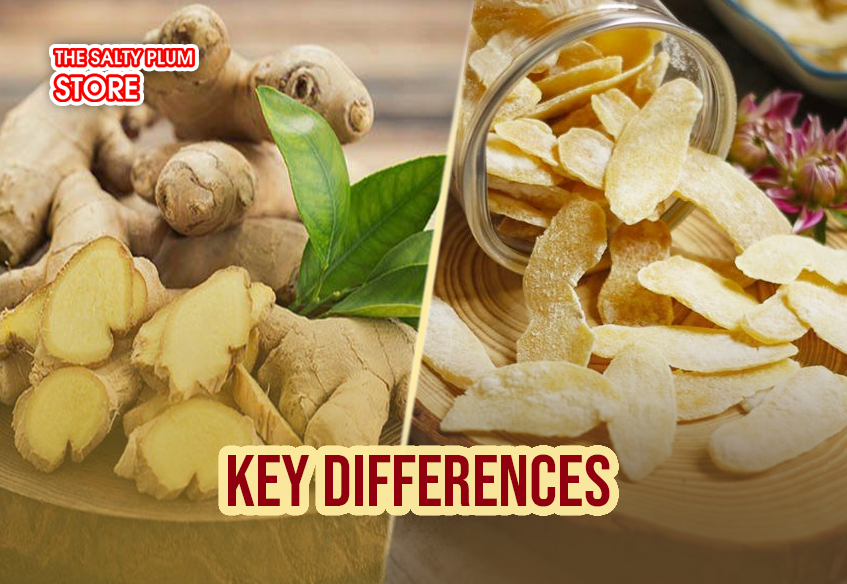
When comparing dried ginger vs fresh ginger, their distinctions become clear in terms of taste, texture, nutrition, and use. The table below highlights the main differences:
|
|
|
|
|
|
|
|
|
|
|
|
|
|
|
|
|
|
|
|
|
|
|
|
|
|
|
|
|
|
|
|
|
|
|
|
In short, dried ginger vs fresh ginger differs not only in flavor and texture but also in how each fits into your cooking style and wellness goals.
II. Nutritional Comparison
When comparing dried ginger and fresh ginger, the main difference lies in how concentrated their nutrients are. Drying removes most of the water, so dried ginger becomes denser in calories, fiber, and active compounds. You get more nutrients in a smaller amount — but also more calories per gram.
-
Calories: Fresh ginger has about 80 kcal per 100g, while dried ginger jumps to around 335 kcal.
-
Carbohydrates: Increase from 18g in fresh to 70–75g in dried.
-
Fiber: Rises from 2g to about 12g.
-
Protein: Grows from 1.8g to 9g.
-
Fat: Goes up from 0.8g to 4g.
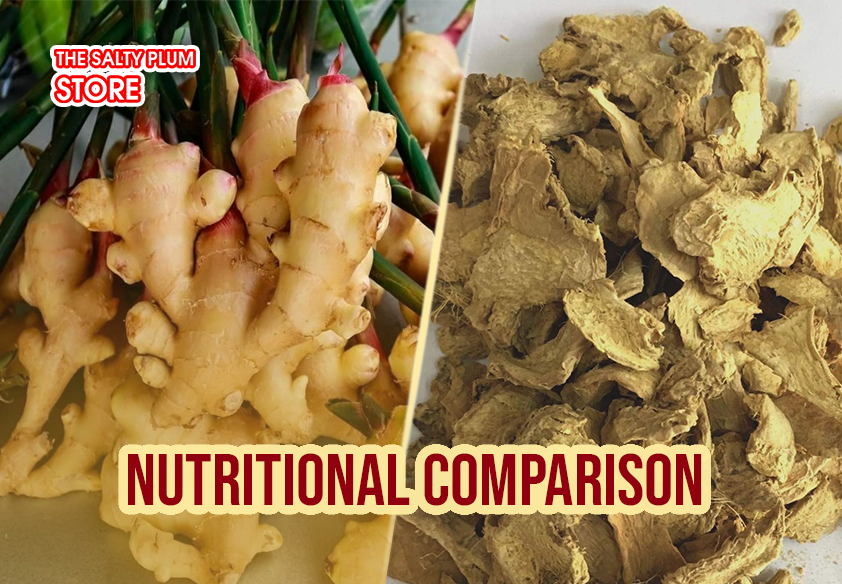
In terms of micronutrients:
-
Vitamin C is much higher in fresh ginger, since it’s lost during drying.
-
Minerals such as iron, magnesium, and potassium become more concentrated in dried ginger.
The active compounds also change. Fresh ginger contains more gingerol, which gives a mild, fresh heat. Dried ginger, exposed to heat, develops more shogaol, a stronger, spicier compound.
In short:
-
Dried ginger is more potent and concentrated.
-
Fresh ginger keeps more vitamins and natural enzymes.
Your choice depends on what you’re looking for stronger flavor and intensity or fresh, natural nutrients.
III. Health Benefits: Dried Ginger vs Fresh Ginger
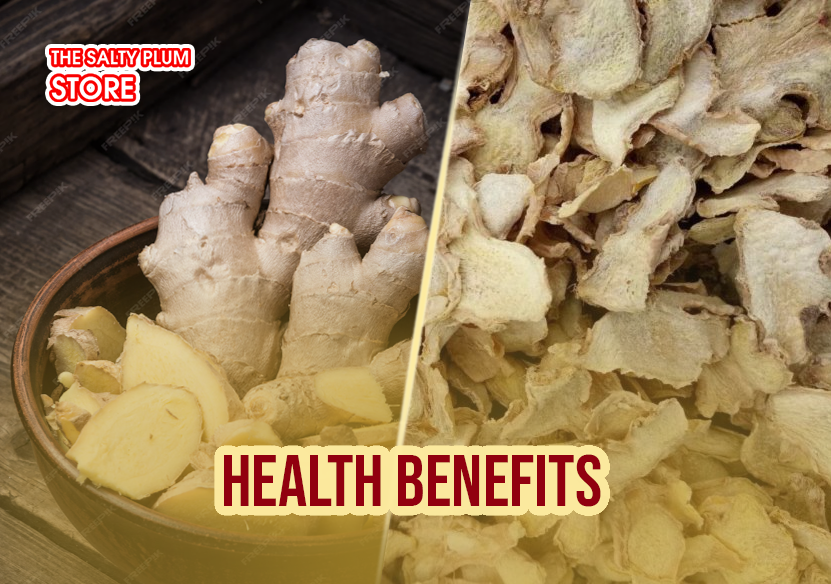
Both forms of ginger are packed with powerful health benefits, but their effects can vary depending on how they’re processed. When comparing dried ginger vs fresh ginger, each type offers unique advantages that support wellness in different ways.
|
|
|
|
|
|
|
|
|
|
|
|
|
|
|
|
|
|
|
|
|
|
|
|
In short, dried ginger vs fresh ginger both promote better digestion, immunity, and inflammation control — but dried ginger offers a stronger therapeutic punch, while fresh ginger provides more gentle, everyday support.
IV. How to Store & Use Both Properly
When it comes to dried ginger vs fresh ginger, proper storage and usage are key to maintaining their flavor, aroma, and nutritional value. Each type of ginger requires a slightly different approach to get the best results in your kitchen and wellness routine.
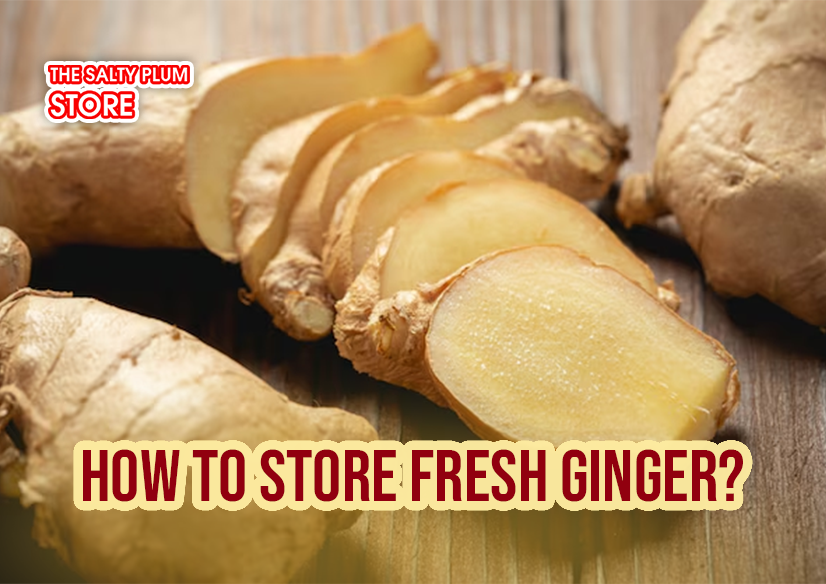
1. How to Store Fresh Ginger
Fresh ginger is more delicate and prone to spoilage, so correct storage is essential:
- Refrigerate it: Wrap unpeeled ginger in a paper towel and store it in an airtight bag or container in the fridge.
- Freeze for longer storage: Peel and slice the ginger into small pieces before freezing. This way, you can use it directly from the freezer when cooking.
- Avoid moisture: Excess moisture can cause mold, so keep the ginger dry after each use.
1.1 Best Ways to Use Fresh Ginger
Fresh ginger’s crisp, zesty flavor shines in savory and refreshing dishes:
- Add thin slices to stir-fries, soups, and sauces for a bright, spicy aroma.
- Combine with lemon and honey in warm water for a soothing ginger tea.
- Use freshly grated ginger in marinades or dressings to enhance freshness and depth.
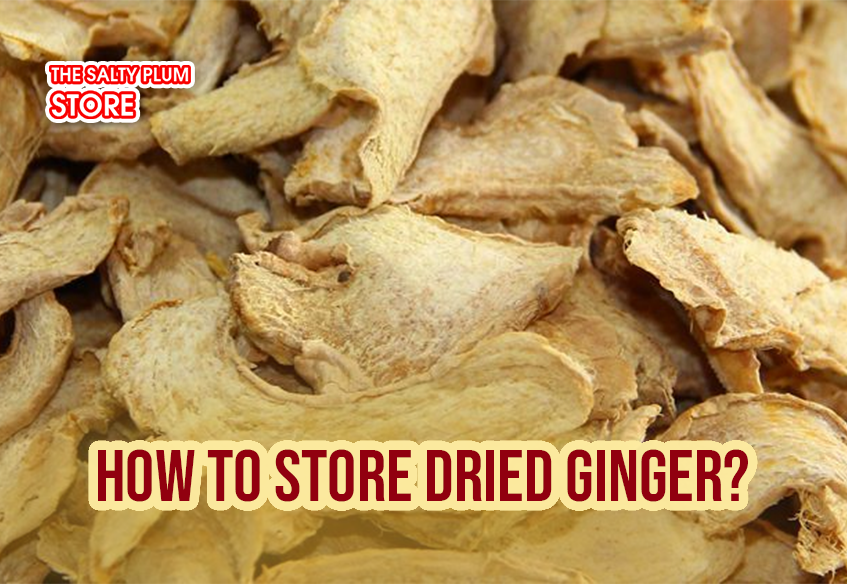
2. How to Store Dried Ginger
Dried ginger is much more stable and can last for months if stored correctly:
- Keep in a cool, dry place: Store in an airtight jar away from heat and sunlight.
- Avoid humidity: Moisture can cause the powder or slices to clump and lose flavor.
- Check occasionally: Over time, aroma may fade—replace if the scent weakens.
2.1 Best Ways to Use Dried Ginger
Because it’s more concentrated, dried ginger adds warmth and intensity to many recipes:
- Stir into baked goods, smoothies, or oatmeal for a spicy-sweet boost.
- Brew dried ginger slices or powder in hot water to make a calming tea.
- Mix into spice blends, herbal remedies, or tonics for its potent health benefits.
V. Conclusion
When it comes to dried ginger vs fresh ginger, there’s no single winner; it all depends on your needs. Fresh ginger delivers a bright, aromatic flavor that’s perfect for daily cooking and quick remedies, while dried ginger offers a stronger, more concentrated taste and longer shelf life, ideal for teas, baking, or health-focused uses.
Both forms bring powerful anti-inflammatory and digestive benefits, so keeping both in your kitchen is the best way to enjoy their versatility year-round.
Looking to experience premium-quality dried ginger for your teas, recipes, or snacks? Explore The Salty Plum Store, your trusted destination for natural, flavorful dried ginger products made with care and authenticity.
Related article: