




Dried ginger, also known as dry ginger, is a versatile spice cherished in both Asian and Western cuisines. With its warm, slightly sweet, and earthy flavor, it brings a comforting depth to everything from savory stews and curries to baked desserts and teas. Unlike fresh ginger, dried ginger is easier to store, has a longer shelf life, and offers a more concentrated aroma—making it a convenient staple in every kitchen.
In this guide, we’ll explore how to use dried ginger for cooking, discover the best flavor pairings, and share practical tips to enhance your dishes. Using dried ginger for cooking adds depth, warmth, and aroma to countless recipes, making it a simple yet powerful way to elevate everyday meals.
I. Why Use Dried Ginger in Cooking?
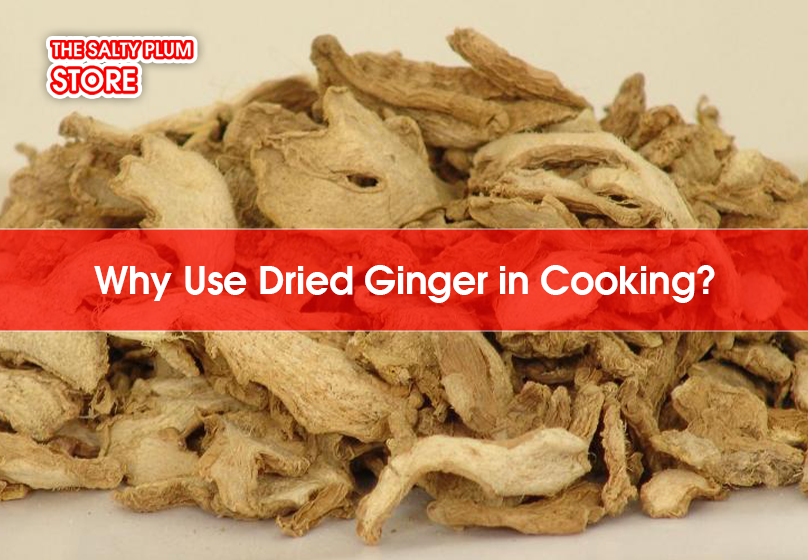
1. Flavor and Key Characteristics
Dried ginger offers a distinctive warm, spicy-sweet flavor that’s deeper and more intense than fresh ginger. Its aroma is rich and slightly woody, giving dishes a cozy, comforting profile.
Because it lacks the moisture of fresh ginger, it blends perfectly into spice mixes, sauces, baked goods, soups, and stews, where a smooth texture and long-lasting flavor are desired. Whether sprinkled into marinades or stirred into batters, dried ginger delivers consistent taste without overpowering other ingredients.
2. Practical Benefits
One major advantage of dried ginger is convenience. It’s easy to store, long-lasting, and keeps its flavor well. Perfect for baking or spice rubs, it measures easily and replaces fresh ginger without the hassle of peeling or grating, while keeping that signature kick.
3. Health Benefits
Beyond flavor, dried ginger is valued for its well-known health properties. It aids digestion, helps reduce inflammation, supports immune function, and can soothe nausea or cold symptoms. This makes it not only a delicious seasoning but also a natural ingredient that promotes overall wellness.
II. How to Use Dried Ginger for Cooking?
1. Common Forms of Dried Ginger
Dried ginger comes in several convenient forms, each suitable for different cooking styles:
- Dried ginger: The most versatile form, perfect for baking, marinades, sauces, and spice blends. It mixes easily into both wet and dry ingredients.
- Dried ginger slices: Often used in soups, teas, and stews where a slow infusion of flavor is preferred. The slices release a gentle warmth over time.
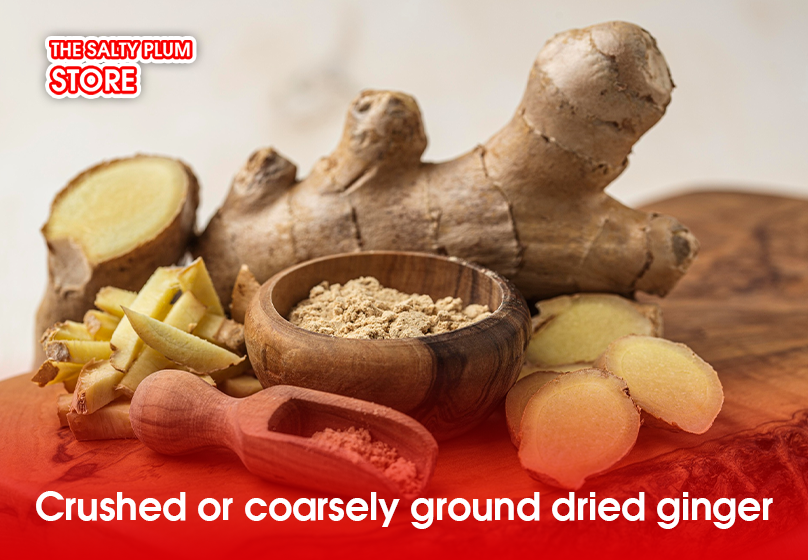
- Crushed or coarsely ground dried ginger: Ideal for curries, stir-fries, or rubs where you want bursts of spice and aroma without a fine texture.
2. Culinary Applications
Dried ginger is a remarkably flexible ingredient that enhances both sweet and savory dishes:
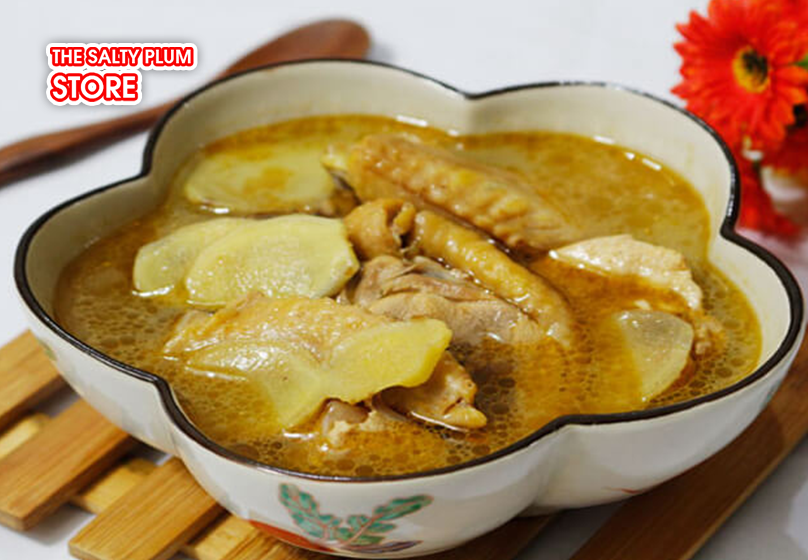
- Savory dishes: Add depth to grilled meats, stews, soups, curries, and sauces. A pinch of dried ginger can lift the flavor of a simple stir-fry or give a comforting warmth to broth-based dishes.
- Sweet treats: A classic in ginger cookies, pumpkin spice cakes, gingerbread, or ice cream, where its subtle heat balances sweetness.
- Drinks: Perfect for ginger tea, detox water, chai latte, smoothies, or even homemade cocktails. Just a small amount can transform the drink with a warming, zesty note.
3. Usage Tips and Substitution Ratios
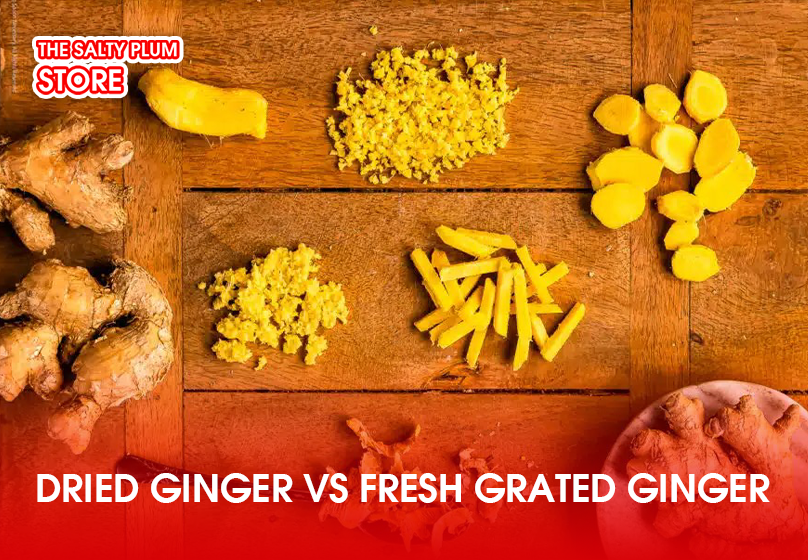
When substituting dried ginger for fresh ginger, keep in mind that dried ginger has a stronger, more concentrated flavor. The general conversion is:
1 teaspoon of dried ginger = 1 tablespoon of fresh grated ginger.
Adjust based on taste and the type of dish — add more for stews and marinades, less for delicate desserts.
Pro tip: To make the flavor blend smoothly, dissolve dried ginger in warm water or a bit of liquid from your recipe before adding it. This helps release its natural oils and ensures even distribution throughout the dish.
👉Try The Salty Plum Store’s premium dried ginger today and elevate your dishes with natural warmth and rich flavor!
III. Flavor Pairings: What Goes Well with Dried Ginger
1. Perfect Spice Pairings
Dried ginger pairs beautifully with a variety of spices, enhancing both sweet and savory dishes with warmth and depth.
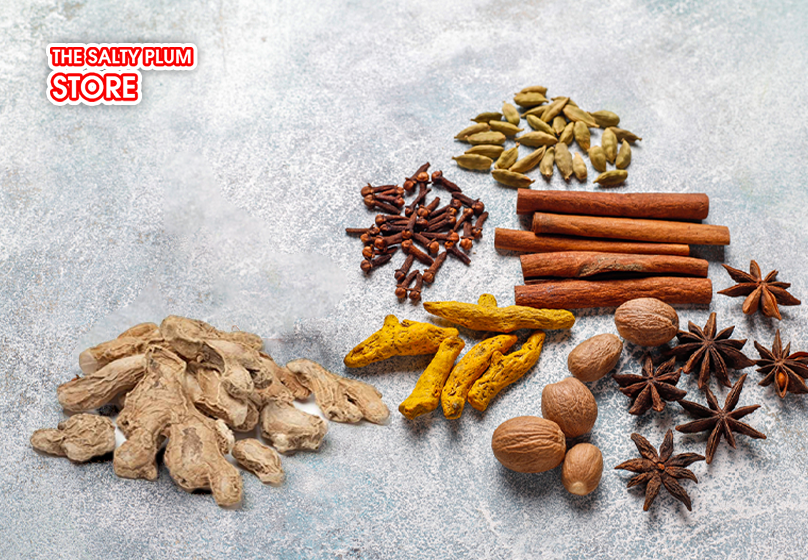
- Cinnamon, nutmeg, cloves, cardamom, and turmeric share a warm, comforting flavor, ideal for baking or spiced drinks like chai tea and pumpkin desserts. Together, they create rich, aromatic blends perfect for cozy recipes.
- For savory Asian dishes, garlic, black pepper, soy sauce, and chili pair perfectly with dried ginger. This mix adds balance and depth to stir-fries, marinades, and curries, enhancing umami flavors with a subtle spicy kick.
2. Best Ingredient Pairings
When it comes to ingredients, dried ginger shines with both meats and plant-based foods:
- Proteins: Works exceptionally well with chicken, beef, and salmon, helping cut through the richness while adding a subtle heat.
- Vegetables: Combines beautifully with carrots, pumpkin, and sweet potatoes, highlighting their natural sweetness.
- Fruits and sweeteners: Apples, honey, and lemon are natural companions, creating a delightful balance of sweet, tart, and spicy flavors in desserts or drinks.
3. Signature Dishes to Try
If you’re looking for inspiration, here are a few classic dishes where dried ginger truly shines:
- Sweet recipes: Ginger cookies, pumpkin pie, and honey ginger tea — perfect examples of how dried ginger enhances sweetness while adding depth and warmth.
- Savory recipes: Ginger chicken stir-fry, beef stew, soups, and homemade curry paste — all hearty dishes that benefit from the spice’s gentle heat and aromatic complexity.
IV. Tips for Cooking with Dried Ginger
1. Use the Right Amount
Because dried ginger has a stronger and more concentrated flavor than fresh ginger, moderation is key. Start with a small amount—about one-third of what you’d use if the recipe calls for fresh ginger—and adjust to taste. Using too much can overpower other ingredients, especially in delicate desserts or light sauces.
2. Add It at the Right Time
Timing makes a big difference when cooking with dried ginger:
- In soups and stews: Add it early in the cooking process so the flavor slowly infuses into the broth, creating a rich, balanced warmth.
- In baked goods or drinks: Add it toward the end of mixing or just before heating to preserve its natural aroma and subtle spiciness.
3. Store It Properly
To keep your dried ginger fresh and flavorful, store it in an airtight container in a cool, dry place away from sunlight and moisture. Under proper conditions, dried ginger can maintain its potency for up to 12 months. Avoid storing it near strong-smelling spices, as it can absorb other aromas over time.
4. Combine with Other Spices
For richer, more complex flavors, mix dried ginger with cinnamon, nutmeg, cloves, or turmeric. This layering technique works especially well in baked goods, spice rubs, and marinades, where each spice enhances the warmth and depth of the others. In savory recipes, pairing ginger with garlic or chili can create a beautifully balanced kick.
V. Conclusion
In summary, dried ginger for cooking is a versatile spice that brings warmth, depth, and a touch of sweetness to countless dishes. Its rich aroma and concentrated flavor make it a convenient alternative to fresh ginger, while its long shelf life and easy usage add practicality to any kitchen. Beyond taste, it also offers impressive health benefits—from aiding digestion to boosting immunity—making it a truly valuable ingredient in both everyday and gourmet cooking.
Whether you’re an enthusiastic home cook or a professional chef, dried ginger can easily elevate your culinary creations. Next time you cook, try adding a pinch of dried ginger—it might just become your secret flavor weapon.