




Dried fruit nutrition is a topic that many health‑conscious readers care about. From raisins to apricots, dried fruits are tasty, easy to store, and packed with natural sweetness. But beyond the flavor, they also carry important nutrients that can support your daily diet. In this guide, we’ll explore what dried fruit is, the nutrition it provides, the health benefits you can expect, and how much you should eat to stay balanced.
I. What Is Dried Fruit?
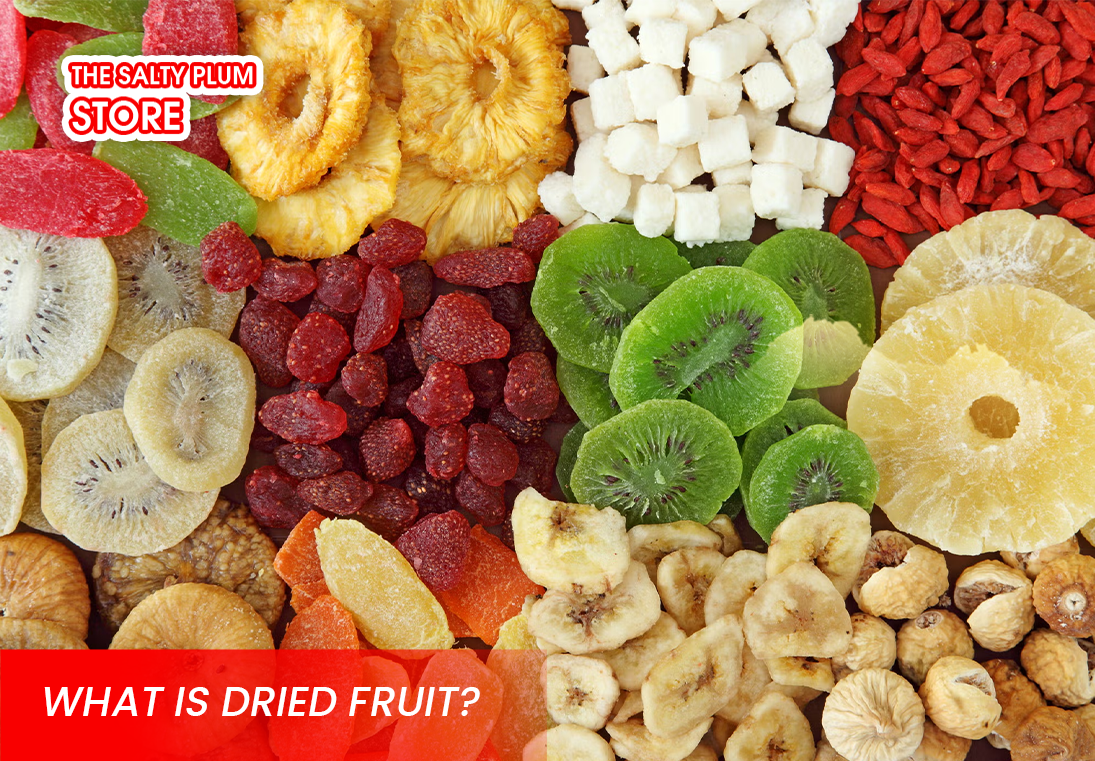
Dried fruit is simply fresh fruit that has had almost all of its water removed. People use different ways to do this, such as letting the fruit sit in the sun or using special machines called dehydrators. Because the water is gone, the fruit becomes much smaller and can stay good to eat for a long time.
Common types include raisins, dates, prunes, and figs. You can also find dried mango, pineapple, or cranberries. When we talk about dried fruit nutrition, it is important to know that even though the fruit shrinks, the nutrients stay inside. This makes them a very concentrated source of energy and vitamins.
II. Dried Fruit Nutrition Overview
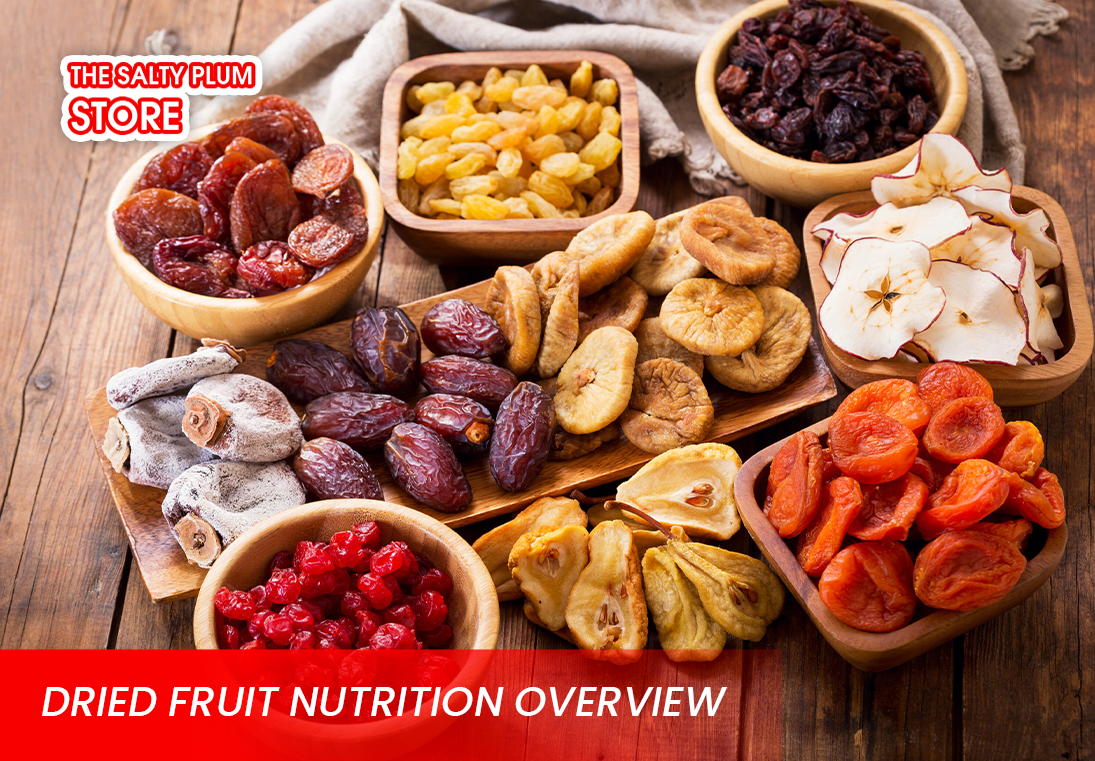
When you look at dried fruit nutrition, the first thing you will notice is how much is packed into one small bite. Because the water is removed, the nutrients that remain are very strong. One piece of dried fruit can have about the same amount of vitamins and minerals as the fresh version, but in a much smaller package.
Most dried fruits are very high in fiber. Fiber is great because it helps your stomach process food better and keeps you feeling full. They are also a good source of antioxidants. These are special helpers that protect your body from getting sick. However, you must remember that dried fruit is also high in natural sugar and calories. Since they are small, it is very easy to eat too many of them at once.
III. Health Benefits of Dried Fruit Nutrition
Dried fruit nutrition brings several health benefits when used correctly in daily meals. Below are the key benefits explained in a clear and practical way.
1. Provides natural energy

Dried fruit nutrition is rich in natural fruit sugars. These sugars give the body quick energy without the need for processed snacks. Dried fruit works well as a small snack before work, during busy days, or before light exercise.
2. Supports digestion with fiber
Fiber is an important part of dried fruit nutrition. It helps food move through the digestive system more smoothly. Fiber also helps you feel full longer, which can reduce overeating and frequent snacking.
3. Supplies essential minerals
Dried fruit nutrition includes minerals that support daily body functions. Potassium helps muscles work normally and supports fluid balance. Iron helps the body carry oxygen, which supports steady energy throughout the day.
4. Helps support heart health
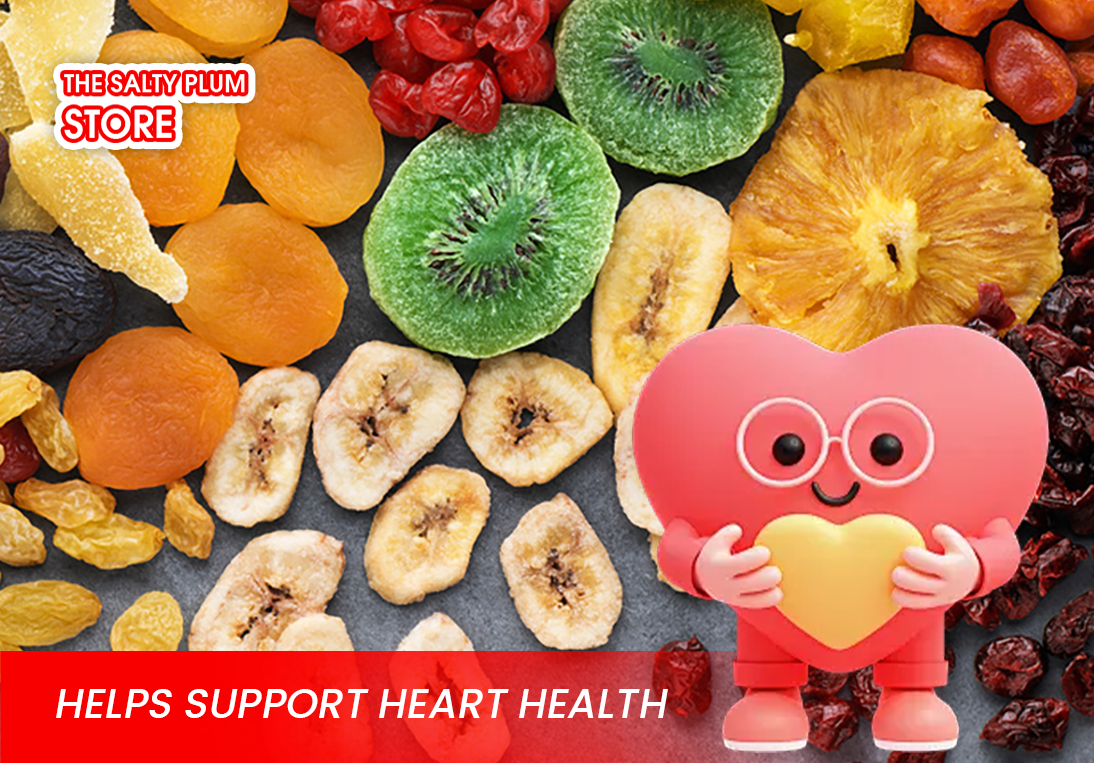
Dried fruit nutrition contains fiber and natural plant compounds that support healthy cholesterol levels. When you choose dried fruit without added sugar or oil, these benefits are easier to maintain as part of a balanced diet.
5. Easy to add to daily meals
Dried fruit nutrition is convenient and easy to use. You can add dried fruit to breakfast, snacks, or light meals without preparation. This makes it easier to increase fruit intake, especially for people with busy schedules.
In short, dried fruit nutrition supports energy, digestion, and daily nutrient intake. Eating the right portion and choosing quality dried fruit helps you enjoy these benefits without excess calories.
IV. Dried Fruit vs Fresh Fruit Nutrition
When looking at dried fruit vs fresh fruit nutrition, the differences are simple and easy to understand. Both come from the same fruit, but the water content changes how nutrients and calories appear in each form.
1. Water content and calories

Fresh fruit contains a lot of water, so it is lower in calories per bite. Dried fruit has most of the water removed, which makes dried fruit nutrition more concentrated. This is why dried fruit provides more calories in a smaller portion.
2. Portion size matters
In dried fruit vs fresh fruit nutrition, portion size is the key difference. A small handful of dried fruit can equal the calories of a large serving of fresh fruit. Eating dried fruit in controlled portions helps avoid excess calorie intake.
3. Fiber and fullness

Both fresh and dried fruit provide fiber. Dried fruit nutrition often delivers more fiber per bite, while fresh fruit feels more filling because of its water content. Each option supports digestion in a different way.
4. Vitamins and minerals
Fresh fruit usually contains more vitamin C, which can decrease during drying. Dried fruit nutrition still keeps important minerals such as potassium and iron, which stay stable after drying.
5. Which one should you choose
Dried fruit vs fresh fruit nutrition is not about choosing one over the other. Fresh fruit is better for hydration and volume, while dried fruit nutrition is convenient and easy to carry. Using both in your diet gives the best balance.
V. How Much Dried Fruit Should You Eat?

The right amount of dried fruit depends on portion size and daily eating habits. Because dried fruit nutrition is concentrated, you do not need a large serving to get its benefits.
For most people, a small handful of dried fruit per day is enough. This is about 30 to 40 grams, or roughly two tablespoons. At this amount, dried fruit nutrition provides fiber, natural energy, and minerals without adding too many calories.
It is best to eat dried fruit as part of a meal or combined with protein or healthy fats. For example, you can pair dried fruit with nuts or yogurt. This helps slow down sugar intake and keeps you full longer.
If you are watching your calorie intake or blood sugar levels, portion control is especially important. Dried fruit nutrition is healthy, but eating large amounts can quickly increase calorie and sugar intake.
VI. Conclusion
Dried fruit nutrition plays an important role in a balanced diet when eaten in the right way. It provides natural energy, fiber, and essential minerals in a convenient form that fits busy lifestyles. Understanding dried fruit nutrition helps you choose proper portions, compare it with fresh fruit, and enjoy its benefits without overconsumption.
To get the most value from dried fruit nutrition, always choose high quality dried fruit with no added sugar or unnecessary additives. Quality ingredients make a clear difference in taste and nutritional value. If you are looking for reliable and carefully selected dried fruit, you can explore the range available at The Salty Plum Store. Choosing trusted products makes it easier to enjoy dried fruit nutrition safely and confidently as part of your daily routine.
Related Article: