




Dried fruit shows up everywhere, from breakfast bowls to desk snacks and gym bags. It is convenient, long-lasting, and easy to enjoy. But when people start eating it daily, questions naturally follow. Are the dried fruit health benefits as solid as they sound, or are there trade-offs worth paying attention to?
This article looks at dried fruit health benefits in a practical way. Not hype, not fear-based advice. We focus on how dried fruit actually fits into everyday eating habits, how it compares to fresh fruit, and when portion size starts to matter. If dried fruit is already part of your routine, or you are thinking of making it one, this guide will help you make more informed choices.
I. Key Health Benefits of Dried Fruit
When looked at realistically, the dried fruit health benefits come from one main factor. Nutrients become more concentrated once water is removed. This does not turn dried fruit into a superfood, but it does change how it contributes to the diet when eaten in reasonable portions.
1. A concentrated source of fiber
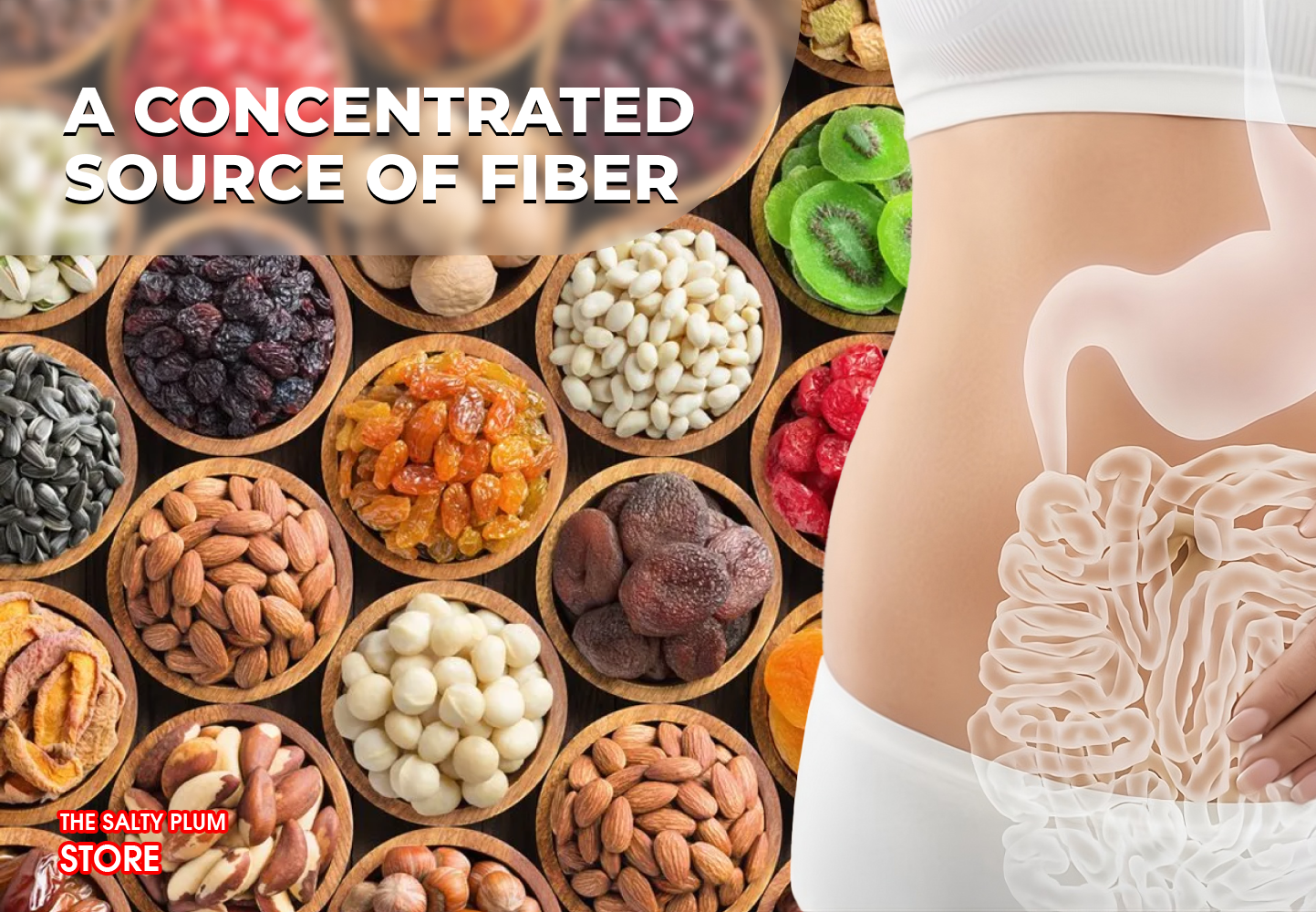
One of the most consistent dried fruit health benefits is fiber intake. Dried figs, apricots, prunes, and dates provide significantly more fiber per gram than their fresh counterparts. This matters for everyday digestion, especially for people whose meals are heavy on refined grains or low in vegetables. Fiber from dried fruit supports regular bowel movement and helps meals feel more filling, which can reduce mindless snacking later in the day.
2. Natural energy that lasts longer
Dried fruit contains natural sugars, but they come packaged with fiber and micronutrients. This combination leads to slower digestion compared to candy or baked snacks. For many people, this makes dried fruit a practical option before a workout, during long workdays, or when meals are spaced far apart. The energy lift is noticeable without the sharp crash that follows ultra-processed snacks.
3. Key minerals that are easy to overlook

Several dried fruit health benefits relate to mineral intake. Raisins and dried apricots provide potassium, which supports muscle function and fluid balance. Dried figs and prunes contribute small but meaningful amounts of calcium and magnesium, nutrients often under-consumed in daily diets. While dried fruit should not replace whole food sources like vegetables or dairy, it can help close minor nutritional gaps.
4. Support for heart and metabolic health
In moderate amounts, dried fruit fits well into heart-conscious eating patterns. The fiber content helps manage cholesterol levels, while antioxidants found in dried berries, raisins, and plums support vascular health. Some studies link regular dried fruit consumption with improved insulin sensitivity, particularly when it replaces refined snacks rather than being added on top of them.
5. Antioxidants in a shelf-stable form
Drying preserves many plant compounds responsible for antioxidant activity. Dried cherries, blueberries, and cranberries retain polyphenols that help counter oxidative stress. The benefit here is consistency. Because dried fruit stores well, people are more likely to keep it on hand and consume these compounds regularly rather than occasionally.
Overall, the dried fruit health benefits are most noticeable when dried fruit is treated as a food ingredient, not a free snack. It works best when paired with protein, nuts, or whole grains, and when portions are kept intentional rather than automatic.
II. Dried Fruit vs. Fresh Fruit: What’s the Difference?
When people talk about dried fruit health benefits, the comparison with fresh fruit often comes up. The differences are not about good versus bad, but about how each form fits into real eating habits. The table below highlights the key points in a clear, practical way.
|
|
|
|
|
|
|
|
|
|
|
|
|
|
|
|
|
|
|
|
|
|
|
|
|
|
|
|
|
|
|
|
From a dried fruit perspective, the main advantage is reliability. Dried fruit health benefits show up when dried fruit helps you eat fruit more consistently, not when it replaces fresh fruit entirely. Used in small, intentional portions, dried fruit complements fresh fruit rather than competing with it.
III. How Much Dried Fruit Should You Eat?
Understanding dried fruit health benefits is closely tied to portion size. Dried fruit is not something most people overeat on purpose. It usually happens because the portions look small while the calories add up quickly.
1. A realistic daily portion

For most adults, a sensible serving of dried fruit is about 30 to 40 grams per day. This is roughly a small handful. At this amount, dried fruit health benefits such as fiber intake and micronutrients are present without pushing sugar and calorie intake too high.
2. Use dried fruit as an addition, not a base
Dried fruit works best when added to meals rather than eaten mindlessly on its own. Mixing a small amount into oatmeal, yogurt, or salads spreads out sugar intake and improves satiety. This approach keeps dried fruit health benefits aligned with overall diet quality.
3. Adjust based on activity level

People with higher energy needs, such as those who walk a lot or exercise regularly, may tolerate slightly larger portions. For sedentary days, smaller amounts make more sense. The benefits of dried fruit depend on matching intake to how your body is actually used.
Portion control does not mean restriction. It simply ensures dried fruit remains a helpful part of your daily routine rather than an unnoticed excess.
IV. Conclusion
Dried fruit can be a useful part of everyday eating when it is approached with clear expectations. The dried fruit health benefits are real, but they show up through smart choices, not large portions or daily habits built on convenience alone.
Used in small amounts, dried fruit supports energy, fiber intake, and nutrient consistency, especially on busy days when fresh fruit is not always available. At the same time, its concentrated nature means it works best as a complement to fresh fruit, not a replacement.
If you enjoy dried fruit and understand how to portion it, there is no reason to avoid it. The key is awareness. When dried fruit health benefits are paired with moderation and minimally processed options, dried fruit fits naturally into a balanced, realistic diet.
Related Article: