



Salty plums may look like a simple snack, but they carry centuries of tradition, flavor, and even health benefits. Among the most popular varieties are Chinese salty plums and Australian salty plums, two treats that share a name but differ wildly in taste, texture, and cultural roots. Whether you're a curious foodie or a nostalgic snacker, understanding the difference between these two plum powerhouses can help you choose the one that suits your palate and purpose. Let’s dive into the salty-sour world of plums and discover what sets these two apart.
I. What Are Chinese Salty Plums?
Chinese salty plums, also known as huamei (话梅), are a traditional preserved fruit snack made from dried plums that are salted, sweetened, and often flavored with licorice or other spices. Originating in China, these plums have been enjoyed for centuries not only as a snack but also as a remedy for digestion and sore throats.
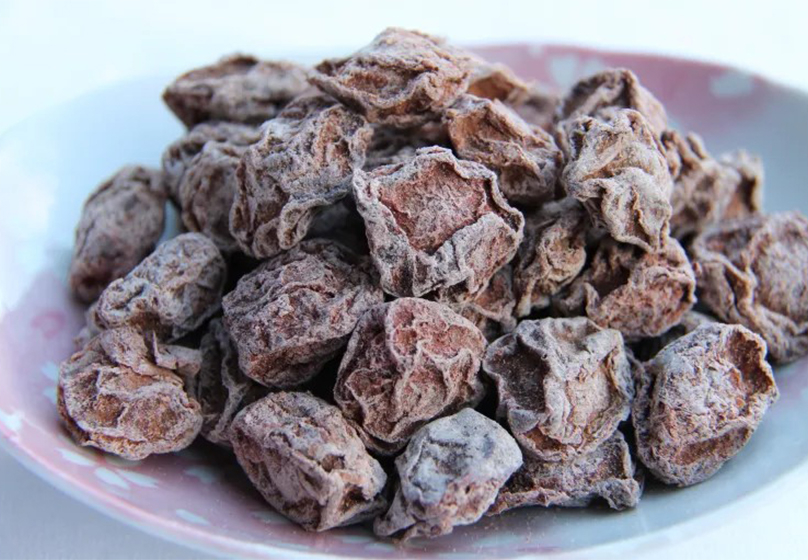
Here’s what makes them unique:
- Flavor Profile: A bold combination of salty, sour, and sweet, with a hint of bitterness. The taste is intense and may be an acquired preference for some.
- Texture: Typically chewy and slightly sticky, with a wrinkled appearance.
- Ingredients: Dried plums, salt, sugar, licorice root, and sometimes additional herbs or flavorings.
- Cultural Significance: Commonly found in Chinese medicine shops and street markets, and even used in traditional teas or as a flavor enhancer in cooking.
Chinese salty plums are more than just a snack; they’re a nostalgic treat for many and a symbol of East Asian culinary heritage. Their strong flavor and medicinal associations make them a staple in many Chinese households.
II. What Are Australian Salty Plums?
Australian salty plums are a beloved snack in parts of Northern Australia, especially among Indigenous communities and in regions like the Northern Territory and Western Australia. Despite sharing a name with their Chinese counterpart, Australian salty plums are quite different in origin, preparation, and cultural context.
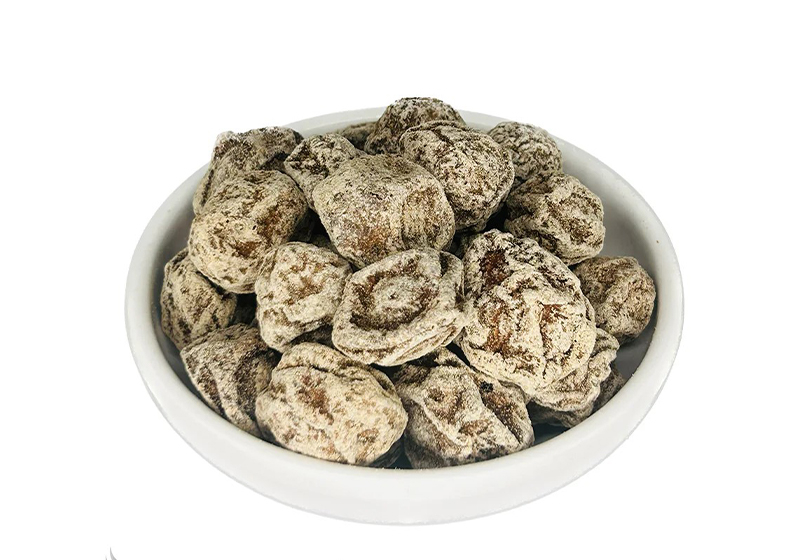
Here’s what defines them:
- Flavor Profile: Tangy, salty, and slightly sweet, but generally milder than Chinese salty plums. Some versions include chili for a spicy kick.
- Texture: Often drier and firmer, with a powdery coating of salt or seasoning.
- Ingredients: Typically made from dried plums or apricots, coated with salt, sugar, and sometimes chili powder.
- Cultural Significance: Popular among schoolchildren and locals, salty plums are sold in corner shops, roadhouses, and community stores. They’re considered a nostalgic treat and part of regional Australian snacking culture.
While they may not have the medicinal reputation of Chinese salty plums, Australian salty plums are deeply rooted in local tradition and are cherished for their unique taste and social connection.
III. Side-by-Side Comparison Table
Before diving into which salty plum suits your taste buds, it’s helpful to see how Chinese salty plums and Australian salty plums stack up against each other. While they share a name and a salty-sour flavor profile, their differences in texture, ingredients, and cultural significance are striking. Here’s a quick side-by-side comparison to help you understand what sets them apart:
|
|
|
|
|
|
|
|
|
|
|
|
|
|
|
|
|
|
|
|
|
|
|
|
|
|
|
|
|
|
|
|
|
|
|
|
IV. Health Benefits and Uses
Both Chinese salty plums and Australian salty plums offer more than just a burst of flavor; they come with unique benefits and uses that reflect their cultural roots.
1. Chinese Salty Plums
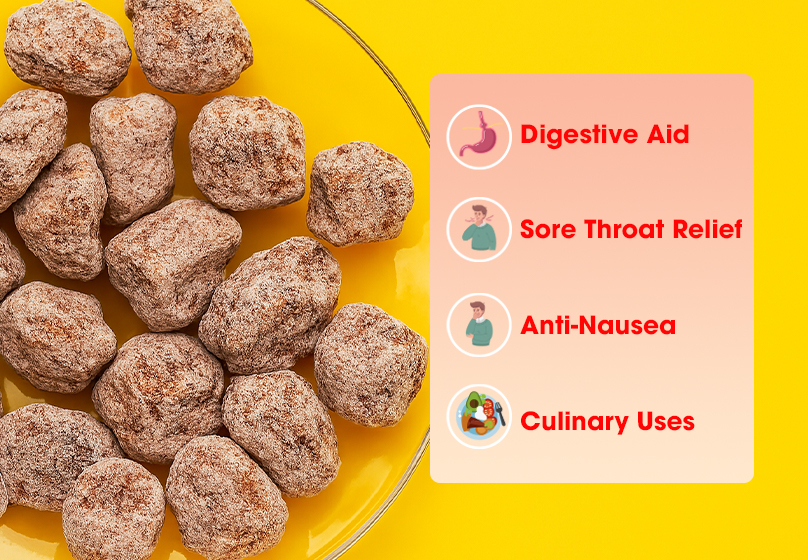
- Digestive Aid: Traditionally used in Chinese medicine to stimulate digestion and relieve bloating.
- Sore Throat Relief: The combination of licorice and salt is believed to soothe throat irritation.
- Anti-Nausea: Often consumed during travel to help reduce motion sickness.
- Culinary Uses: Added to teas, soups, or sauces for a tangy depth of flavor.
2. Australian Salty Plums
- Snack Value: Popular among children and locals as a satisfying, salty treat.
- Social Connection: Often shared among friends, making them part of community bonding rather than medicinal use.
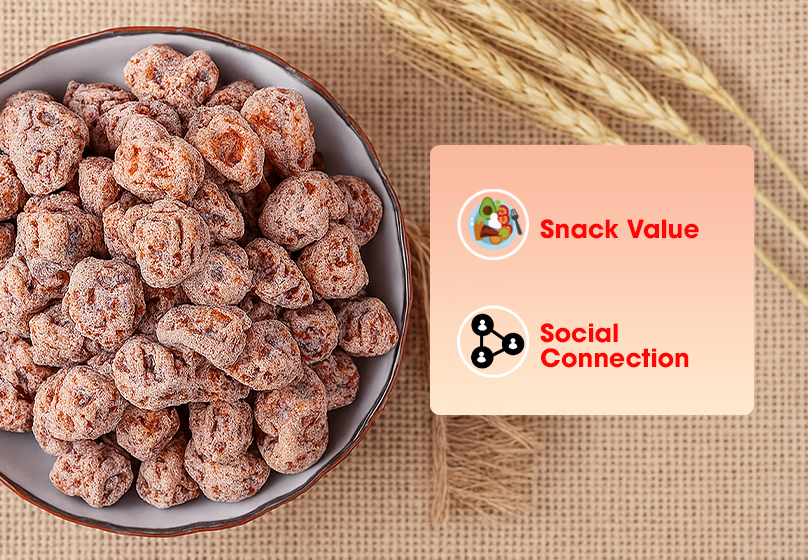
While Chinese salty plums are more closely tied to traditional health remedies, Australian salty plums are primarily enjoyed for their taste and nostalgic value. Either way, they both serve a purpose, whether it’s wellness or simple pleasure.
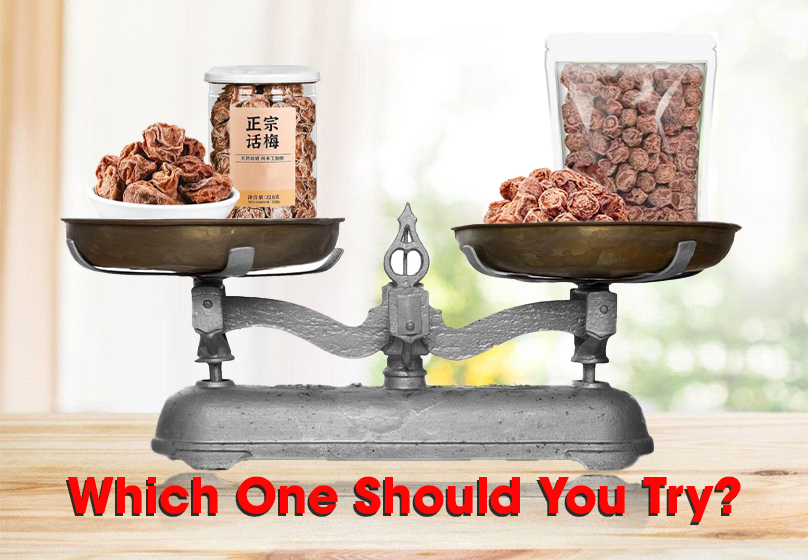
V. Which One Should You Try?
Choosing between Chinese salty plums and Australian salty plums depends on your taste preferences, cultural curiosity, and even your reason for snacking.
- Try Chinese salty plums if you enjoy bold, complex flavors with a medicinal twist. They’re perfect for adventurous eaters who appreciate traditional remedies and don’t mind a chewy, intense experience.
- Try Australian salty plums if you prefer a milder, more straightforward snack with a dry texture and a touch of tang. They’re great for casual munching and are especially popular among kids and locals in Australia.
If you’re feeling curious, why not try both? Experiencing the contrast firsthand is the best way to appreciate how one fruit can be transformed into two completely different cultural icons.
VI. Where to Buy
Whether you're craving the intense punch of Chinese salty plums or the nostalgic tang of Australian salty plums, finding the right source makes all the difference.
- If you're in Australia, one of the best places to explore is The Salty Plum Store, located at Shop 2, 76–86 Gordon Street, Gordonvale, QLD 4865. This local gem specializes in salty plum products and offers a range of flavors, including spicy varieties.
- You can also find salty plums in corner shops, roadhouses, and community stores across Northern Australia.
- Some Australian online stores ship salty plums nationwide, so you don’t have to travel to the tropics to get your fix.
Whether you're shopping in person or online, be sure to check the ingredients and flavor descriptions to match your taste preferences.

VII. Conclusion
Salty plums may be small in size, but they pack a punch of flavor, culture, and nostalgia. From the herbal depth of Chinese huamei to the bold, tangy kick of Australian salty plums, these little treats have carved out a loyal following across continents. Whether you're snacking for pleasure, soothing a sore throat, or chasing childhood memories, there's a salty plum out there for you.
And if you're lucky enough to be near Gordonvale, Queensland, don’t miss a visit to The Salty Plum Store, a true haven for salty plum lovers. With its wide selection and local charm, it’s the perfect place to discover your next favorite flavor.