




Salty plum beer is quickly gaining attention among home brewers looking for something refreshingly different. As the craft beer movement continues to grow, more enthusiasts are experimenting with fruit-based brews and salted plums bring a unique twist to the mix. Their balance of sweet, sour, and savory flavors creates an unexpected depth that’s both bold and satisfying. But here’s the real question: Can you make salty plum beer at home?
The answer is yes! With just a few simple ingredients and basic brewing steps, you can craft your own salty plum beer that blends the light crispness of traditional beer with the tangy, umami-rich character of Asian-style salted plums—a truly distinctive homemade brew worth trying.
I. What Is Fruit Beer and Why Use Plum?
Fruit beer is a refreshing twist on traditional brews, created by fermenting beer with real fruits to enhance both flavor and appearance. The addition of fruit introduces natural sugars and vibrant aromas, giving each batch a unique character that can range from light and citrusy to rich and jam-like. Popular choices include cherry, raspberry, mango, and plum, each adding its own color and depth to the beer.

Among these, plum stands out for its natural balance of sweet and tart notes. It brings a smooth, fruity brightness that complements the malt base perfectly. When using salty plums, however, the flavor profile becomes even more intriguing—the mild saltiness enhances the umami depth, tones down excess sweetness, and leaves a clean, crisp aftertaste.
II. How to Incorporate Salty Plums into Beer?
Adding salty plums to your brew introduces a gentle saltiness, a hint of umami, and even a subtle color tint that makes your beer stand out. These plums not only balance sweetness and acidity but also bring a savory depth that complements lighter beer styles beautifully. The key is knowing when and how to add them during the brewing process to preserve their signature flavor.
There are two main methods you can use:
- During the boil stage: Add the salty plums near the end of the boiling process—about the last 10–15 minutes. This helps extract their aroma and dissolve some of the salt, giving the beer a mild savory edge without overpowering it.
- During fermentation: Lightly crush a few salty plums and add them during secondary fermentation. This method keeps more of their natural fragrance and complex taste, resulting in a more aromatic and layered beer.
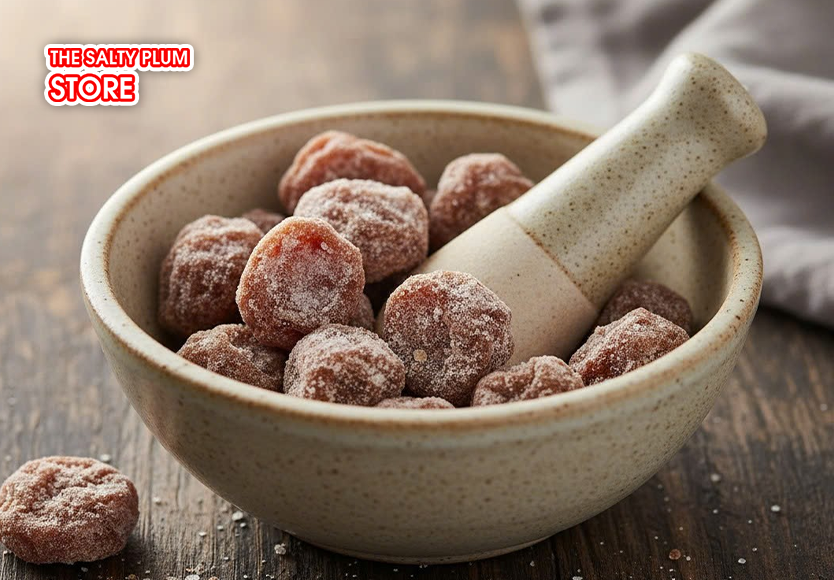
As for proportions, start small and adjust based on your taste. A good starting point is 3–5 salty plums per 5 liters of beer. Too many can make the beer overly salty or astringent, so experiment until you find your ideal balance.
III. Step-by-Step Brewing Procedure for Salty Plum Beer
Brewing salty plum beer at home is simpler than it sounds—you just need a few basic ingredients, some patience, and a bit of curiosity. Follow these easy steps to create your own refreshing, Asian-inspired craft beer right from your kitchen.
Step 1: Prepare Ingredients
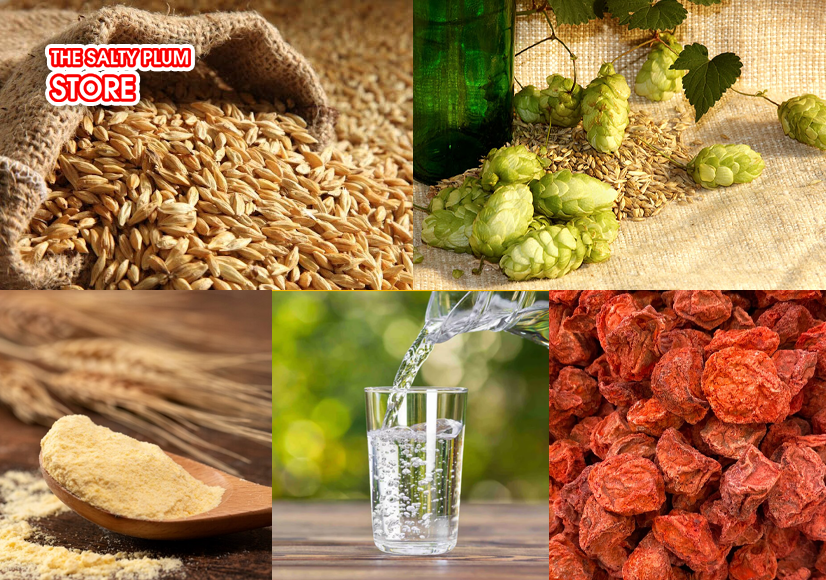
Gather your essentials: malt (barley or wheat), hops, yeast, clean water, and of course, salty plums. Make sure the plums you use are natural and not overly sweetened, as this can affect fermentation and flavor balance.
👉 If you want authentic salty plums to craft delicious, true-to-flavor beer, order from The Salty Plum Store.
Step 2: Mashing
Heat your water and mix in the crushed malt. Maintain the temperature between 65–70°C (149–158°F) for about an hour to extract fermentable sugars from the grain. Once done, strain out the spent grains, keeping only the sweet liquid known as “wort.”
Step 3: Boiling
Bring the wort to a steady boil. Add your hops according to your recipe’s bitterness level. In the last 10–15 minutes, drop in your salty plums so they infuse their tangy-salty notes without losing aroma. Stir gently to ensure even flavor distribution.
Step 4. Fermentation
Cool the boiled wort to room temperature, then add your yeast. Let it ferment for 1–2 weeks at a stable temperature (around 18–24°C / 64–75°F).
Optional: Add a few more lightly crushed salty plums during secondary fermentation for an extra layer of aroma and flavor.
Step 5. Bottling & Conditioning
Once fermentation is complete, transfer the beer carefully into bottles, leaving sediment behind. Seal tightly and let it condition for 1–2 more weeks to allow natural carbonation to develop.
Step 6: Enjoy
Chill your beer before serving and enjoy the perfect harmony of salty, sour, and subtly sweet flavors. Each sip of your homemade salty plum beer delivers a refreshing and surprisingly smooth taste that pairs beautifully with light meals or spicy snacks.

IV. Tips, Tricks & Common Pitfalls
Before you start your brewing adventure, a few practical insights can make the difference between an average batch and an exceptional salty plum beer. Paying attention to ingredient quality, timing, and sanitation will help you achieve the perfect balance of flavors.
1. Tips
- Choose natural salty plums: Look for varieties that are low in sugar and free from artificial coloring. These preserve the authentic tart-salty profile without overpowering the beer.
- Pair with light beer bases: Brewing with wheat beer or a mild lager highlights the plum’s freshness and makes the drink smooth and easy to enjoy.
- Add flavor enhancers: A touch of ginger or licorice root can bring warmth and complexity, deepening the beer’s overall character.
2. Common Pitfalls
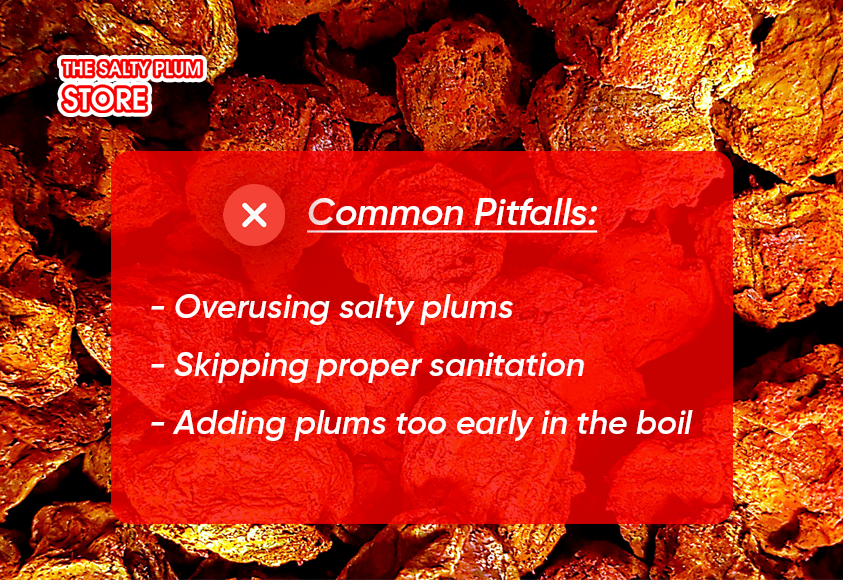
- Overusing salty plums: Too many will make the beer excessively salty or astringent. Start small and adjust in future batches.
- Skipping proper sanitation: Every tool and container must be thoroughly sterilized any contamination can spoil fermentation and ruin the batch.
- Adding plums too early in the boil: This causes most of the aroma to evaporate, leaving only saltiness behind. Add them near the end of the boil or during fermentation for best results.
V. Final Thoughts
Salty plum beer is a creative fusion of craft brewing and the nostalgic flavor of traditional salted plums. It offers a refreshing balance of sweet, sour, and savory notes that’s unlike any other fruit beer. This unique combination not only surprises your taste buds but also showcases how cultural ingredients can inspire exciting new brewing styles.
The best part? You don’t need to be a professional brewer to make it. With the right process, clean equipment, and a bit of experimentation, you can easily craft this flavorful beer at home and fine-tune the taste to suit your own preference. Ready to craft your first salty plum beer? Grab some quality salty plums and start brewing today!