




When it comes to creating moist cakes, flavorful breads, and perfectly textured pastries, choosing the right dried fruit makes a clear difference. In this guide to the Best Dried Fruit for Baking, you will discover which types work best for each kind of recipe, from soft sponge cakes to rich yeast breads and delicate cookies. We will also explain what makes dried fruit suitable for baking and how to prepare it properly so it blends well into the batter or dough, releases natural sweetness, and keeps your baked goods tender and aromatic.
I. Best Dried Fruit for Baking Cakes
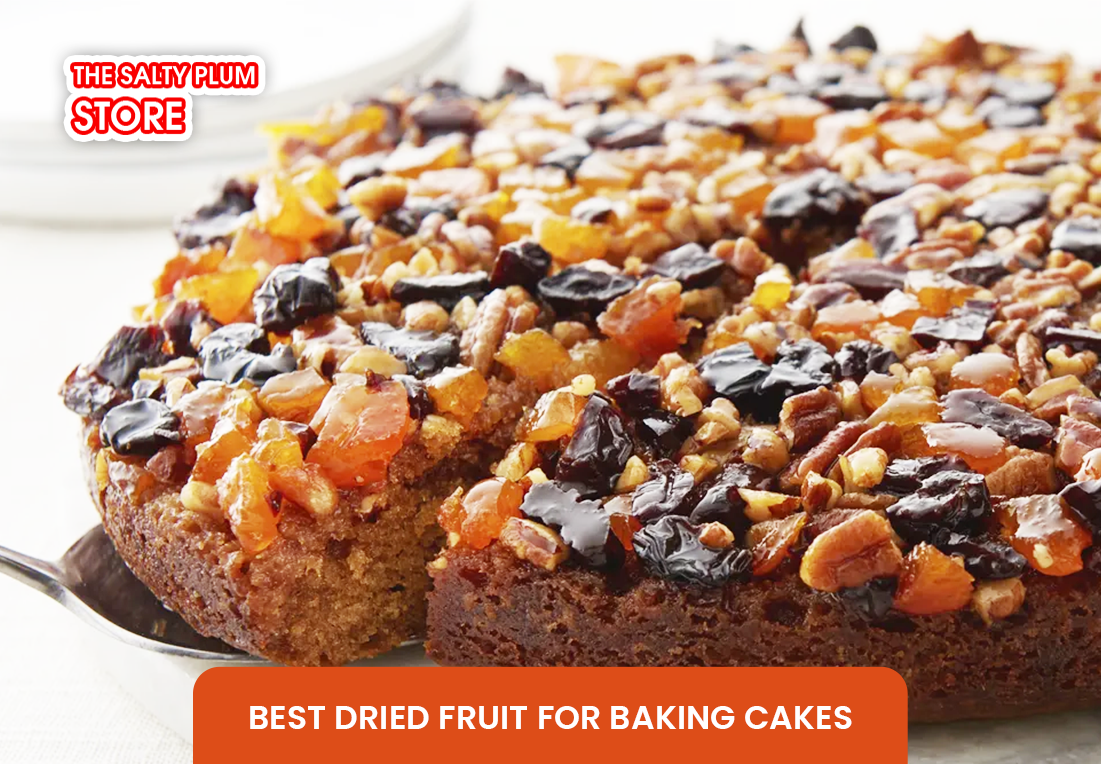
Cakes become more indulgent when paired with the right dried fruit. Choosing the best dried fruit for baking cakes means finding options that enhance sweetness, add moisture, and bring balance to the overall flavor.
- Raisins: A classic option that adds natural sweetness and keeps cakes moist. Perfect for fruitcakes or spice cakes.
- Dried Apricots: Their tangy flavor pairs beautifully with almond or vanilla-based cakes, offering a bright contrast.
- Dates: Rich and caramel-like, dates are ideal for dense cakes such as sticky toffee pudding.
- Cranberries: Slightly tart, they cut through sweetness and add a festive touch to holiday cakes.
- Cherries: Dried cherries bring a bold, fruity punch that complements chocolate or nut-based cakes.
By selecting the right dried fruit for baking cakes, you can elevate texture and flavor, ensuring every slice is moist, aromatic, and satisfying.
II. Best Dried Fruit for Baking Bread
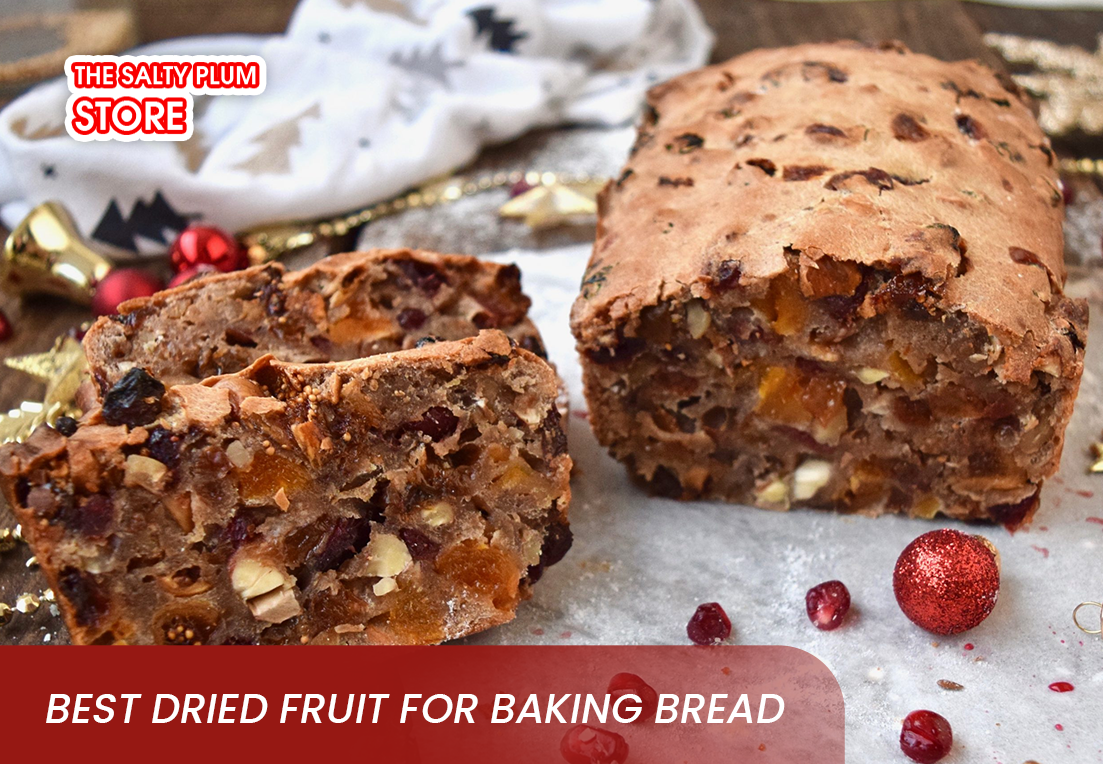
Bread becomes richer and more flavorful when paired with dried fruit. The right choice of dried fruit for baking bread adds natural sweetness, chewy texture, and unique character without making the loaf too heavy.
- Raisins: A timeless option for cinnamon raisin bread, they bring gentle sweetness and moisture.
- Dried Cranberries: Their tartness balances rich doughs and pairs beautifully with nuts or seeds.
- Figs: With honey-like notes and crunchy seeds, figs add rustic charm to artisan loaves.
- Dates: Soft and naturally sweet, dates enrich whole wheat or multigrain bread.
- Apricots: Tangy and bright, they contrast beautifully with savory herbs or cheese.
- Dried Prunes: Known for their mellow sweetness, prunes keep bread moist and add depth of flavor.
- Dried Olives: Salty and savory, dried olives are perfect for Mediterranean-style breads, offering a bold twist that balances sweet fruits and herbs.
By combining classic options with distinctive choices like dried prune and dried olive, you can elevate everyday loaves into gourmet creations. Selecting the best dried fruit for baking bread ensures every slice is wholesome, flavorful, and memorable.
III. Best Dried Fruit for Pastries and Cookies
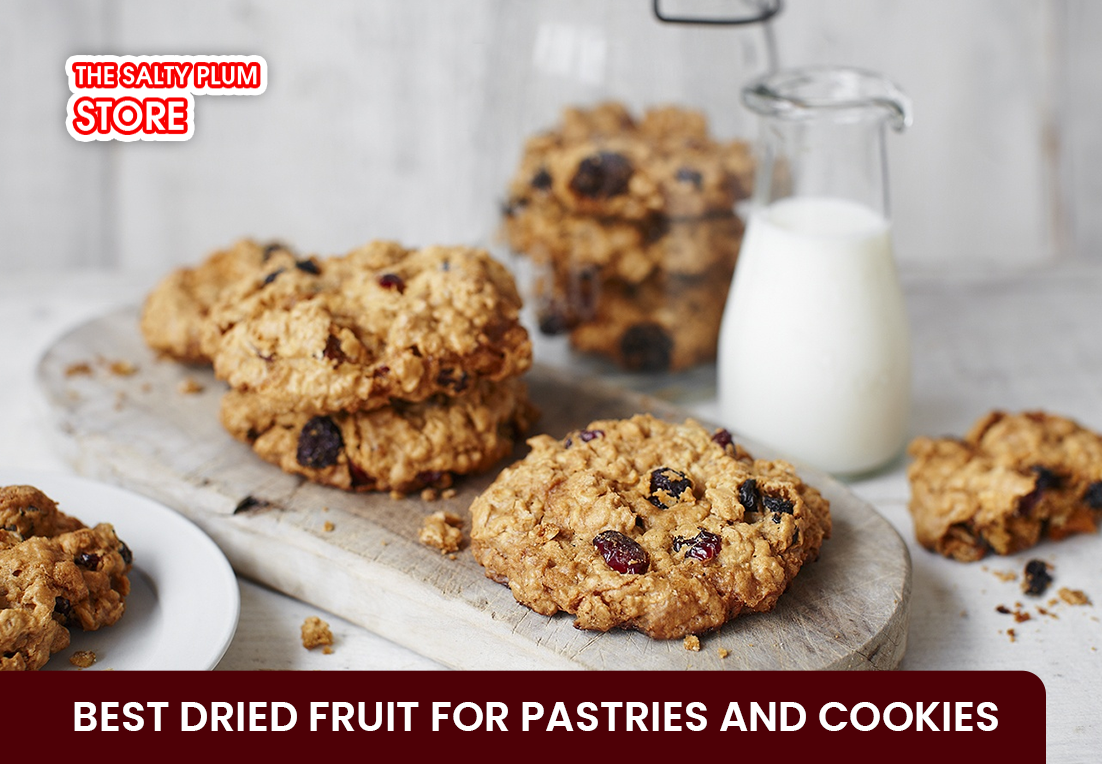
Pastries and cookies benefit from dried fruit that adds bursts of flavor and texture. The right dried fruit for baking pastries and cookies should complement buttery doughs and provide variety beyond the usual choices.
- Dried Mango: Sweet and tropical, perfect for shortbread or buttery cookies.
- Dried Pineapple: Adds a tangy brightness that pairs well with coconut macaroons or puff pastries.
- Dried Pear: Mildly sweet and soft, ideal for delicate pastries or sandwich cookies.
- Dried Prunes: Rich and moist, they enhance chocolate-based cookies or filled pastries.
- Dried Olives: Savory and bold, they create a Mediterranean twist in puff pastry bites or savory cookies.
By diversifying the selection of dried fruit for baking pastries and cookies, you can surprise readers with fresh ideas and inspire them to experiment beyond the classics.
IV. How to Prepare Dried Fruit Before Baking
Using the right dried fruit for baking is only part of the process. How you prepare it before adding it to cake batter, bread dough, or pastry filling directly affects texture, moisture, and flavor. Dried fruit contains concentrated sugar and very little water. If added straight from the package, it can absorb liquid from the recipe, become tough after baking, or sink to the bottom of cakes. Correct preparation helps the fruit stay soft, evenly distributed, and aromatic throughout the finished bake.
Step 1: Choose Good Quality Dried Fruit
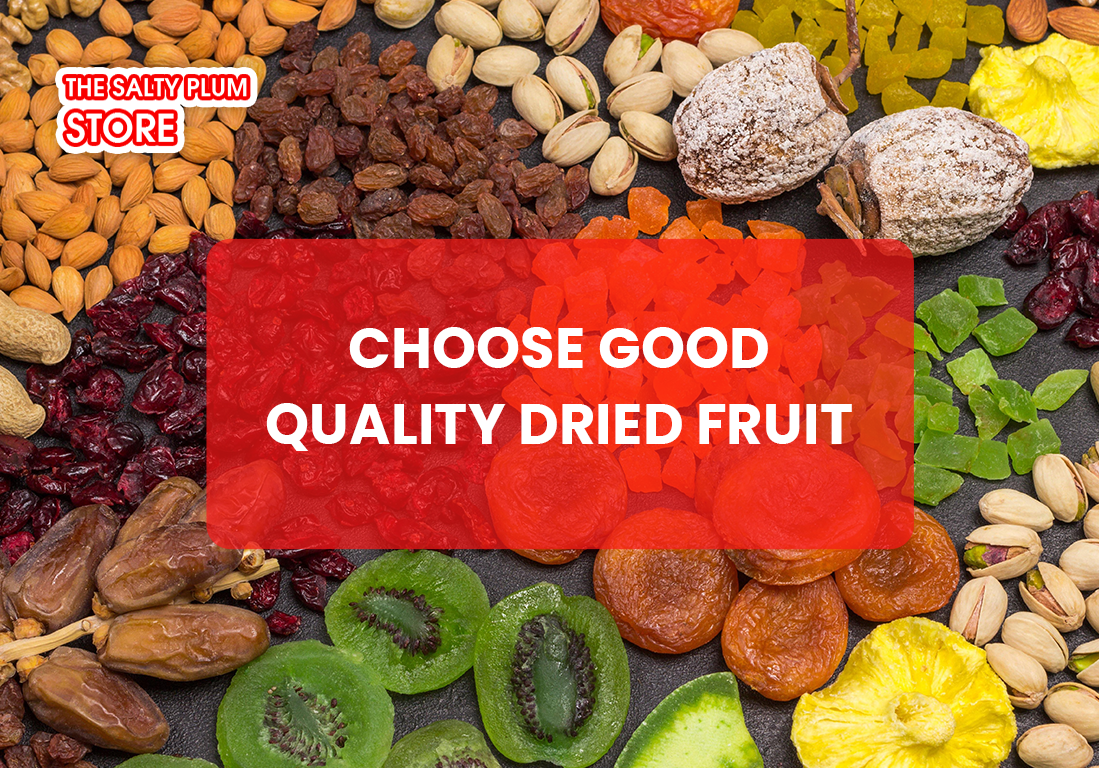
Select dried fruit that is soft, plump, and naturally colored. Avoid fruit that is overly hard, dusty, or heavily coated with sugar crystals. For better control of sweetness, unsweetened or lightly sweetened dried fruit is ideal for baking.
Step 2: Cut Into Uniform Pieces
Large dried fruits such as dates, figs, apricots, mango, and prunes should be chopped into even, bite sized pieces. Aim for pieces similar in size to raisins. This allows the dried fruit for baking to mix evenly into batter or dough and prevents large, heavy chunks from sinking or creating dense spots.
Step 3: Rehydrate by Soaking
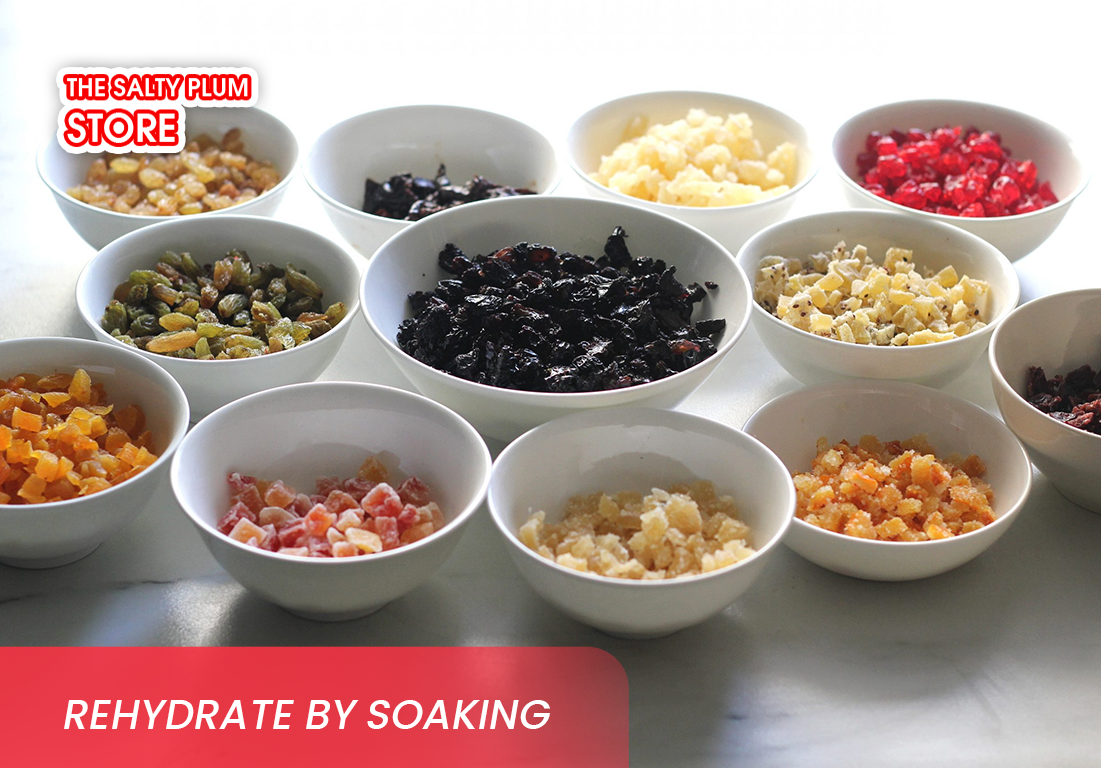
Place the dried fruit in a bowl and pour over warm liquid until fully covered. Suitable soaking liquids include:
- Warm water for neutral flavor
- Apple or orange juice for light sweetness
- Black tea for subtle depth
- Rum, brandy, or liqueur for dessert recipes
Soak small fruits like raisins or cranberries for 10 to 15 minutes. Soak larger pieces for 20 to 30 minutes. This step restores moisture, softens the texture, and helps the dried fruit for baking release flavor more evenly during baking.
Step 4: Drain and Remove Excess Moisture
After soaking, drain the fruit well using a sieve. Pat it dry with paper towels to remove surface liquid. The fruit should be soft but not wet. Excess moisture can weaken cake structure or make bread dough sticky and difficult to handle.
Step 5: Coat Lightly With Flour
Toss the prepared dried fruit with one to two teaspoons of flour taken from the recipe. This thin coating helps the fruit stay suspended in cake and muffin batters instead of sinking to the bottom during baking.
Step 6: Add at the Correct Mixing Stage
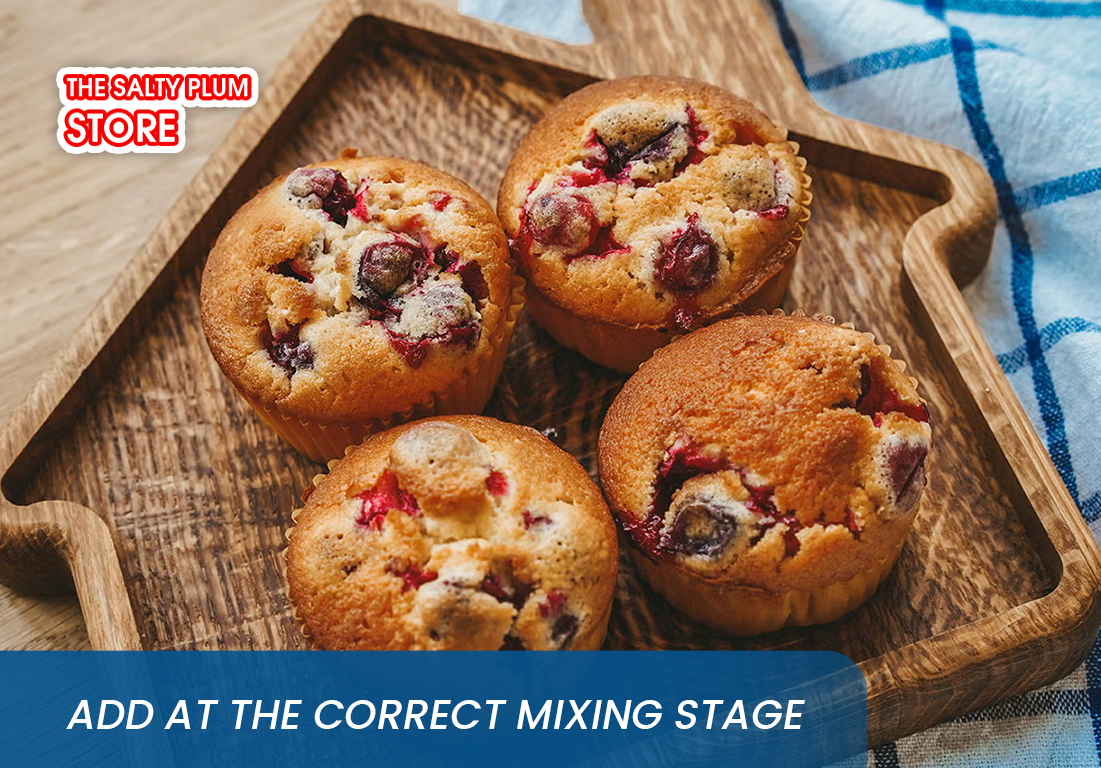
For cakes and muffins, fold in the dried fruit for baking at the final mixing stage, just before pouring the batter into the pan. For yeast bread and enriched dough, add the fruit during the last minutes of kneading, after gluten has developed. This keeps the dough structure strong and prevents tearing.
Extra Tips for Better Results
- If the dried fruit is very sweet, slightly reduce the sugar in the recipe.
- If the fruit is heavily sugared, rinse briefly before soaking.
- For winter baking, use warm liquid to speed up rehydration and improve aroma.
V. Conclusion
Choosing the right dried fruit for baking can transform the flavor, texture, and overall quality of your cakes, breads, and pastries. From soft raisins and dates that add natural sweetness and moisture, to tangy cranberries and cherries that bring balance, each type of dried fruit plays a specific role in different recipes. When you understand which dried fruit works best for cakes, breads, or pastries, and how to prepare it properly before baking, you can achieve more consistent results and richer homemade flavors.
If you are looking for high quality dried fruit for baking, you can find a full selection of premium options at The Salty Plum Store. From classic raisins and apricots to figs, dates, and cherries, all the dried fruits mentioned in this guide are available for purchase, carefully selected to ensure freshness, natural taste, and perfect texture for baking. Visit The Salty Plum Store to choose the right dried fruit and elevate your next batch of cakes, breads, and pastries.
Related Article: