




In the vibrant world of Asian cuisine, dried tamarind stands out as a signature ingredient that brings depth, balance, and authenticity to countless dishes. With its natural brown hue and delicately sweet-tart flavor, dried tamarind adds a distinctive tang that harmonizes perfectly with spicy, salty, and sweet components, a flavor balance central to Asian cooking.
Unlike vinegar or lemon, tamarind’s sourness is subtle and layered, offering a mellow acidity that enhances rather than overpowers other ingredients. This makes it an essential flavor base in many regional dishes across Asia. This article explores how Asian dried tamarind uses shape flavor profiles, influence cooking techniques, and reflect the deep cultural roots of Asian culinary traditions.
I. What Is Dried Tamarind?
Dried tamarind refers to the preserved form of tamarind pulp, made from fully ripened tamarind pods that have been dried or compressed into dense blocks for longer storage. This form captures the fruit’s natural tartness and sweetness while extending its shelf life, making it a convenient pantry staple across Asian households.
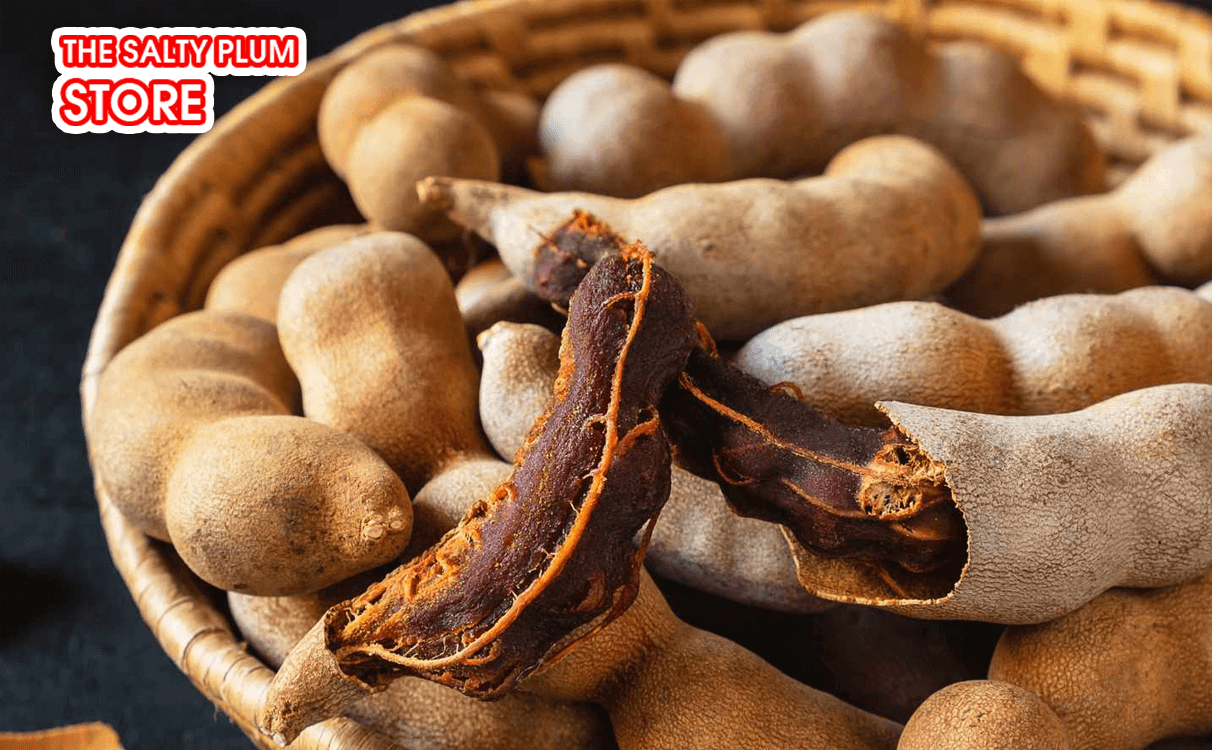
There are several common forms of dried tamarind found in markets:
- Whole dried tamarind with seeds: the traditional form, containing the fibrous pulp and natural seeds.
- Seedless dried tamarind: pre-cleaned and deseeded, offering ease of use in cooking and mixing.
- Compressed tamarind blocks: dense bricks of tamarind pulp used to make tamarind paste or concentrate.
Dried tamarind typically has a dark brown color, a gentle tart-sweet flavor, and a distinct earthy aroma. It easily dissolves in warm water to create tamarind juice or can be mashed directly into sauces, soups, and marinades.
Although the tamarind tree originally comes from Africa, it spread across Asia centuries ago and became a culinary cornerstone in countries such as India, Thailand, and Malaysia. Today, dried tamarind remains an essential ingredient in Asian kitchens, prized for both its practicality and its unmatched ability to balance complex flavors.
II. Key Flavor Roles of Dried Tamarind in Asian Cuisine
In Asian cuisine, dried tamarind plays a vital role as a natural flavor enhancer, creating harmony among the spicy, salty, and sweet elements that define many traditional dishes. Its balanced acidity brings brightness and depth, cutting through rich or oily foods while leaving a pleasant, lingering sweetness on the palate.
Compared to other souring agents like vinegar, lemon, or even fresh tamarind, the flavor of dried tamarind is notably deeper and more complex. It delivers a layered taste slightly smoky, fruity, and tangy that enriches the overall flavor profile without overwhelming the dish.
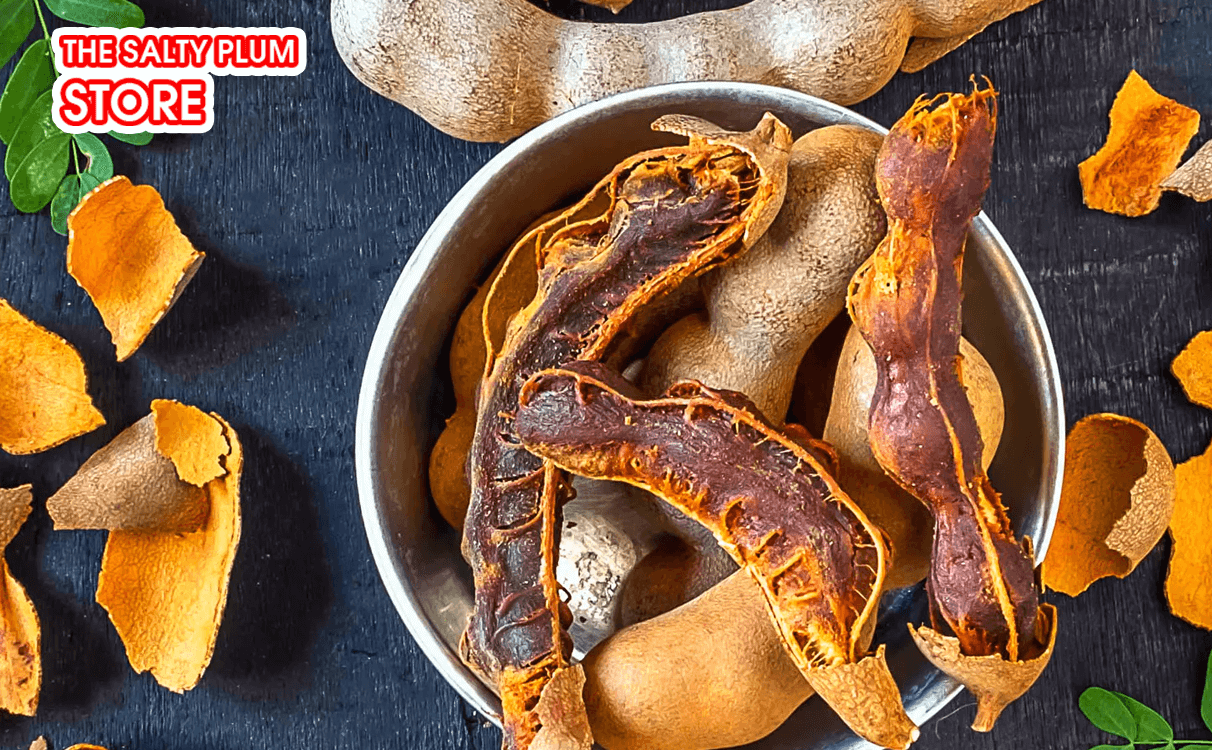
Here are the key ways dried tamarind contributes to Asian cooking:
- Sauces & Dips: It serves as a base for many sweet-and-sour sauces, curry gravies, and chutneys, giving them a rich, tangy body.
- Soups & Broths: Adds a refreshing sour note to iconic dishes like Thai Tom Yum or Indian Rasam, enhancing their aromatic depth.
- Marinades: Acts as a natural tenderizer for meats while infusing them with flavor, perfect for grilled or barbecued dishes.
- Beverages: Used to prepare traditional drinks such as tamarind juice or agua de tamarindo, offering a tart yet revitalizing refreshment.
This versatility makes dried tamarind an irreplaceable ingredient across Asian kitchens, prized not just for its tang but for its ability to create perfect flavor balance, the essence of Asian culinary art.
👉Discover The Salty Plum Store’s dried tamarind, an authentic Asian sweet-sour delight, perfect for cooking, making refreshing drinks, or enjoying as a flavorful snack!
III. Signature Dishes & Uses by Region
Across Asia, dried tamarind takes on unique regional identities, shaping the signature flavors of countless beloved dishes. While its role varies from country to country, the shared goal remains the same to achieve perfect balance and depth in every bite.
1. India
In Indian cuisine, dried tamarind is indispensable in dishes like sambar, chutney, rasam, and imli rice. Its tangy character complements the heat of spices, creating the iconic sweet-sour complexity Indian food is known for. Beyond daily cooking, tamarind also holds symbolic value in festive meals and traditional rituals, representing energy, vitality, and the richness of life.
2. Thailand
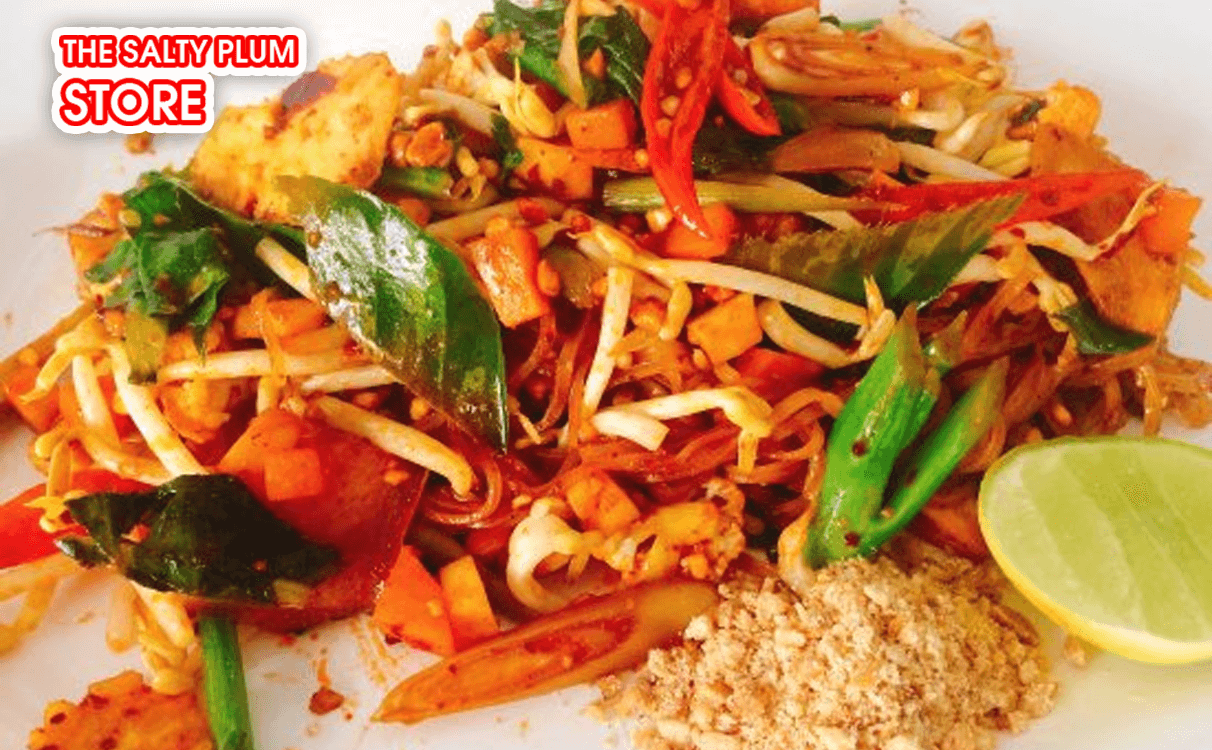
Thai cooking relies heavily on dried tamarind to create its famous balance of five tastes — sweet, sour, salty, spicy, and bitter. It’s a key ingredient in iconic dishes such as Pad Thai, Tom Yum, and Som Tum (green papaya salad), where its gentle tartness provides structure and harmony to bold flavors.
3. Philippines & Malaysia
In these regions, tamarind defines the comforting sourness of Sinigang, a traditional meat or fish soup celebrated for its hearty and refreshing taste. It’s also used in marinades and dipping sauces, adding a distinct local twist to grilled and seafood dishes.
4. Vietnam & Cambodia
Here, dried tamarind finds its way into sweet-and-sour sauces, dipping condiments, and refreshing beverages like tamarind juice or iced tamarind drink (me da). It’s a familiar flavor that bridges home-style cooking and street food culture, beloved for its natural tartness and aroma.
Across all these regions, dried tamarind embodies the heart of Asian cuisine — a pursuit of balance, where each ingredient plays its part in crafting harmony on the plate.
IV. Cooking Techniques: Using Dried Tamarind
To fully unlock the flavor of dried tamarind, it’s important to prepare and use it correctly. The most common method starts with softening and extracting the tamarind pulp: soak a small portion of the dried tamarind block in warm water for about 10–15 minutes, then mash it gently with a spoon or your hands. Once the pulp has loosened, strain the mixture to remove any fibers or seeds — what remains is a smooth, tangy tamarind concentrate ready for cooking.
Ways to use dried tamarind in cooking:
- Base flavor for curries and soups: Add the extracted tamarind water near the end of cooking to bring out depth and acidity without overpowering other ingredients.
- Sauces and marinades: Mix tamarind paste into dipping sauces, barbecue glazes, or meat marinades for a bright, sour-sweet balance.
- Adjusting proportions: A small amount goes a long way — even a teaspoon of tamarind extract can transform an entire dish.

In traditional Asian kitchens, tamarind is often paired with spicy chilies, palm sugar, and fish sauce or salt, achieving what is known as the “balance of five tastes” sweet, sour, salty, bitter, and umami. This harmony of flavors lies at the core of Asian culinary philosophy, and dried tamarind is one of the key ingredients that make it possible.
V. Tips for Choosing & Storing Quality Dried Tamarind
1. Tips for Choosing Dried Tamarind:
- Look for a natural brown color without white sugar crystals or an artificial gloss.
- Avoid products that contain preservatives or synthetic coloring.
- Choose seedless or organic dried tamarind for convenience and purity.
2. Storage Guidelines:
- Keep in a cool, dry, and well-ventilated place, away from direct sunlight.
- After opening, store in an airtight container or in the refrigerator to preserve freshness.
- Properly sealed, dried tamarind can last up to 12 months without losing flavor.
VI. Health & Nutritional Considerations
1. Nutritional Value
- Rich in antioxidants and vitamin C, which help strengthen the immune system and fight free radicals.
- Contains essential minerals like calcium (for bone health), magnesium (for muscle and nerve function), and potassium (for regulating blood pressure).
- Offers dietary fiber that supports digestion and contributes to a feeling of fullness.

2. Health Benefits
- Supports digestion: Its natural fiber and mild laxative properties help relieve constipation and improve bowel movement.
- Promotes heart health: The polyphenols and plant acids in tamarind may help lower bad cholesterol (LDL) and improve overall lipid balance.
- Detoxifying and antibacterial effects: Helps cleanse the digestive system, eliminate toxins, and support liver function.
- Boosts immunity: Antioxidants and vitamin C protect the body from infections and inflammation.
VII. Conclusion
Dried tamarind is the heart of many Asian dishes, embodying a perfect blend of culinary artistry, cultural heritage, and nutritional value. Its unique sweet-sour balance enhances soups, sauces, and marinades, adding depth and authenticity that have defined Asian cooking for generations.
By understanding Asian dried tamarind uses, home cooks and chefs alike can master the art of flavor balance bringing harmony to every dish they create. Add just a touch of dried tamarind to your next meal, and you’ll discover how this small yet remarkable ingredient can elevate flavor to a whole new level.