




Dried salted plums and fresh plums each bring unique flavors, textures, and nutritional benefits to the table. While dried salted plums stand out with their salty, tangy-sweet taste, chewy texture, and long shelf life, fresh plums are loved for their juicy, refreshing sweetness and rich vitamin content. Both have been enjoyed for centuries, whether as convenient snacks, cooking ingredients, or natural health boosters. This article explores the key differences between dried salted plums and fresh plums, helping you decide which option best suits your diet, taste preferences, and everyday lifestyle.
I. What Are Dried Salted Plums?
Dried salted plums, also known as umeboshi in Japan or simply salted plums in many Asian countries, are plums that have undergone a special drying and salting process. This method preserves the fruit for longer periods while intensifying its flavor. Typically, fresh plums are harvested when fully ripe, then cleaned, salted, and left to dry naturally or under controlled conditions. The result is a tangy, salty, and slightly sweet fruit that can be enjoyed as a snack, used in cooking, or incorporated into beverages.
The popularity of dried salted plums spans many cultures due to their unique taste and potential health benefits. Traditionally, they have been used as digestive aids, appetite stimulants, and even for their alleged antibacterial properties. With the growing trend of convenient, shelf-stable snacks, dried salted plums have become increasingly common in supermarkets and online stores worldwide. But how do they truly compare to fresh plums? Let’s dive deeper.

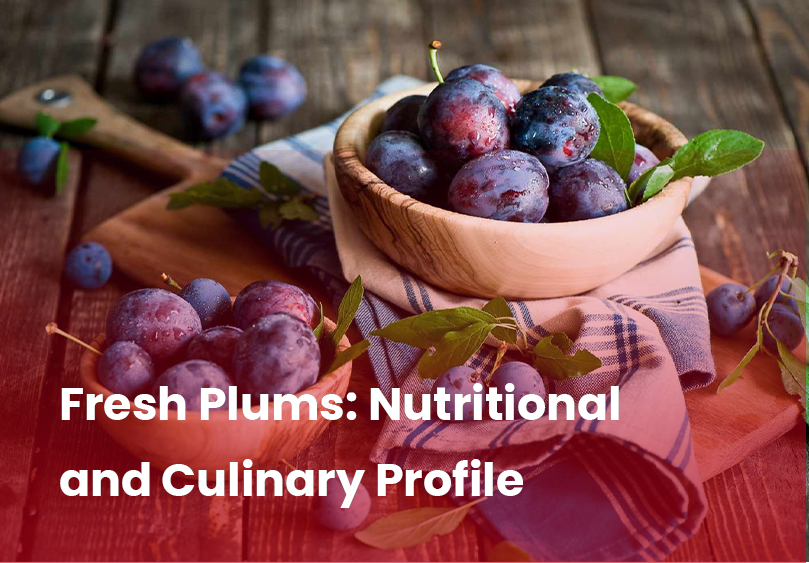
II. Fresh Plums: Nutritional and Culinary Profile
Fresh plums are succulent, juicy fruits enjoyed worldwide. They come in various colors, including red, purple, yellow, and green, each with a slightly different flavor profile. Fresh plums are naturally sweet with a mild tartness, making them perfect for eating raw, adding to desserts, or cooking in savory dishes.
From a nutritional perspective, fresh plums are rich in vitamins and minerals. They are an excellent source of vitamin C, vitamin K, and dietary fiber. Additionally, plums contain antioxidants, such as phenols and flavonoids, which may help protect the body against oxidative stress and inflammation. Eating fresh plums has been linked to benefits like improved digestion, heart health, and even blood sugar regulation.
Culinarily, fresh plums are versatile. They can be baked into pies, blended into smoothies, poached in syrup, or simply eaten on their own. Their juicy texture and natural sweetness make them highly appealing, especially in dishes where a fresh, fruity flavor is desired.
III. Nutritional Comparison
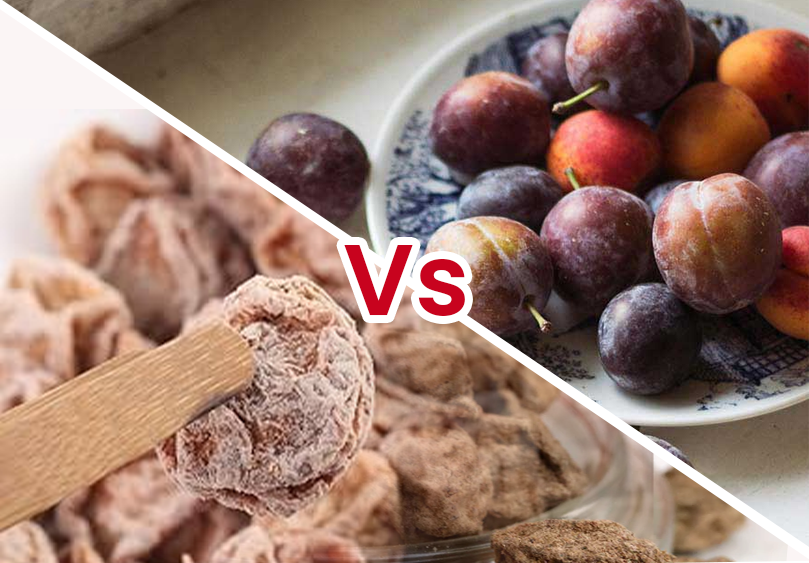
When comparing dried salted plums to fresh plums, the differences are significant due to the drying and salting process. Dried salted plums contain concentrated nutrients because water is removed during drying, which intensifies sugars, calories, and minerals.
1. Calories and Sugar
Dried salted plums are higher in calories per serving compared to fresh plums. This is primarily due to the concentration of natural sugars that occurs during drying. While fresh plums offer a low-calorie, hydrating snack, dried salted plums provide a more energy-dense option.
2. Sodium Content
One of the most notable differences is the sodium level. Dried salted plums are, as the name implies, significantly saltier than fresh plums. This can be a concern for individuals monitoring their sodium intake. Fresh plums, on the other hand, are naturally low in sodium.
3. Vitamins and Minerals
Fresh plums retain more water-soluble vitamins like vitamin C, which can degrade during the drying process. However, dried salted plums maintain minerals such as potassium and iron, and the drying process may even increase the concentration of certain antioxidants.
4. Fiber
Both forms provide dietary fiber, but dried salted plums have more fiber per gram due to the reduced water content. This makes dried salted plums particularly beneficial for digestive health, though moderation is key given their higher sodium content.
In summary, while fresh plums offer hydration, vitamin C, and a naturally low-calorie snack, dried salted plums offer concentrated energy, fiber, and some antioxidant benefits, albeit with higher sodium and sugar content.
IV. Taste and Texture Differences
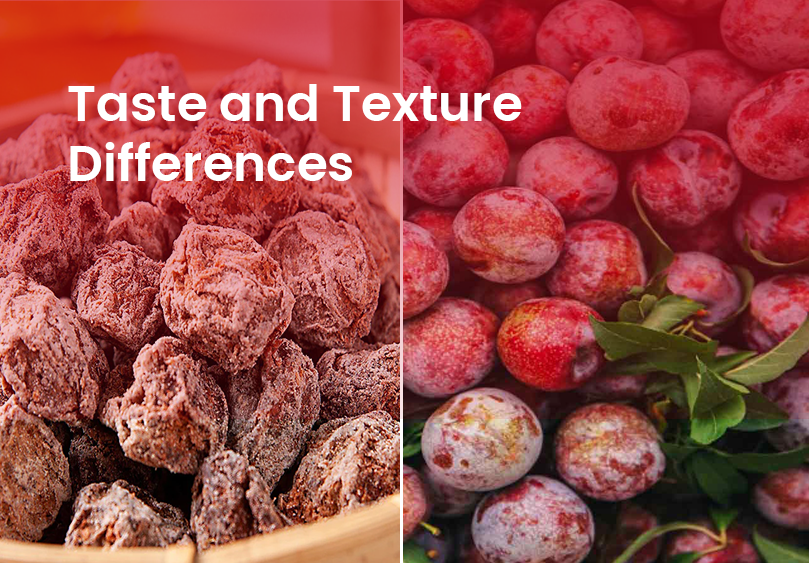
Taste and texture are other crucial aspects to consider. Fresh plums are juicy and tender, with a balance of sweetness and tartness. Their skin provides a slight chewiness, while the flesh bursts with juice. The sensory experience of biting into a fresh plum is often described as refreshing and satisfying.
Dried salted plums, in contrast, have a dense, chewy texture. The drying process removes moisture, concentrating the flavor and creating a strong tangy and salty taste. Some dried salted plums may also have a hint of sweetness, depending on how they are processed. The flavor is much more intense than fresh plums, and they can be an acquired taste for those accustomed to naturally sweet fruits.
Culinary uses also differ. Fresh plums are often used in recipes where juiciness is desired, like jams, sauces, or fresh salads. Dried salted plums are more suitable for snacking, garnishing rice dishes, or being infused into drinks. In some cultures, they are even used as a condiment to enhance savory dishes.
Overall, taste preference will largely determine whether dried salted plums or fresh plums are more enjoyable. Some people love the bold, tangy flavor of dried salted plums, while others prefer the gentle sweetness of fresh plums.
V. Which One Is Better?
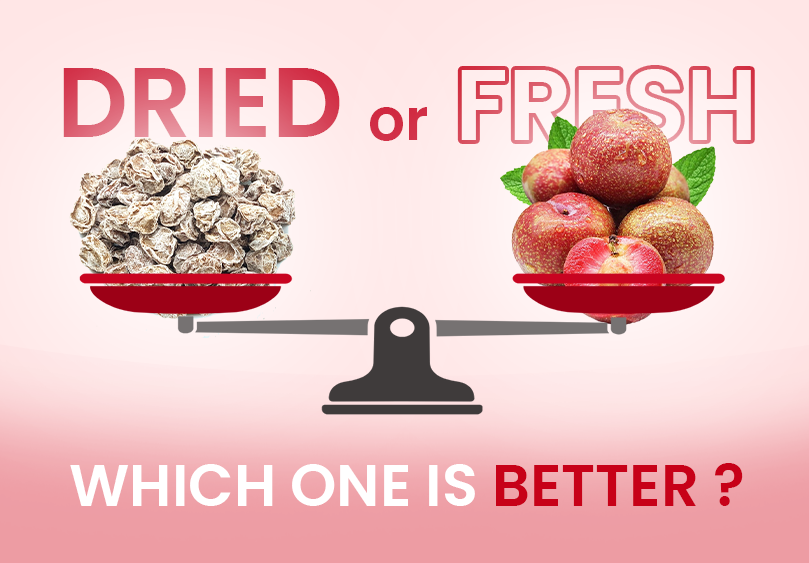
The question of whether dried salted plums are better than fresh plums depends on your goals and personal preference.
1. For Nutritional Benefits
If you are seeking hydration, vitamin C, and a low-calorie snack, fresh plums are superior. Their high water content and natural sweetness make them ideal for maintaining a healthy diet without excess sodium.
2. For Digestive Health and Energy
Dried salted plums are excellent for a fiber-rich, energy-dense option. They can aid digestion, especially when consumed in moderation, and provide a portable snack that lasts longer than fresh plums.
3. For Culinary Uses
Fresh plums are versatile in both sweet and savory dishes, while dried salted plums offer concentrated flavor for specific recipes, snacks, or traditional uses.
4. For Convenience
Dried salted plums win in terms of shelf life and portability. They are easy to carry, don’t require refrigeration, and have a long storage life compared to fresh plums, which spoil relatively quickly.
If you enjoy the bold, tangy flavor and chewy texture, dried salted plums are easy to find online. Stores like The Salty Plum Store offer a wide range of authentic options, making it convenient to add this unique snack to your lifestyle.
Ultimately, both types of plums have their own advantages. A balanced approach may be best: enjoy fresh plums for daily nutrition and hydration, while adding the dried version occasionally for its unique flavor and fiber.
Conclusion
Dried salted plums and fresh plums each bring their own advantages. The dried version is chewy, tangy, and salty, offering plenty of fiber and minerals in a convenient snack. Meanwhile, fresh plums are juicy, refreshing, and naturally sweet, with vitamin C and hydration benefits that make them perfect for daily use.
Which one you prefer depends on health goals and taste. Fresh plums are ideal if you want a light, low-calorie fruit, while dried salted plums are better for a bold, portable option. Enjoying both allows you to balance nutrition with variety in flavor and texture.